Guide
How to Travel South America by Bus Instead of Flying Everywhere
Argentina and Chile run some of the most comfortable long-distance buses anywhere in the world, full-recline cama seats included — but not every South American route is that easy, and knowing where the network gets rougher matters before committing to an overland trip.
South America's bus culture varies as much as its cost of living, and the difference matters for anyone weighing overland travel against flying between cities. Argentina and Chile run some of the most comfortable long-distance bus networks anywhere in the world; other parts of the continent ask more of travelers willing to go overland, and knowing the difference in advance changes how a route should be planned.
Argentina and Chile: the comfortable end
The cama and semi-cama bus classes, common across Argentina and Chile, recline close to fully flat on longer routes, a genuine alternative to flying for overnight legs. Buenos Aires to Mendoza runs around 13 to 15 hours overnight, arriving the next morning having doubled as a night's accommodation, and the Mendoza-to-Santiago crossing over the Andes, when weather cooperates, delivers some of the most dramatic mountain scenery reachable by road anywhere on the continent.
Peru: tourist-focused bus networks
Peru's tourist bus operators, Peru Hop and similar companies chief among them, run structured routes connecting major stops, Lima, Cusco, Arequipa, and Lake Titicaca, with built-in stops at attractions along the way, a genuinely different model from point-to-point long-distance buses elsewhere. It's a more curated, less flexible way to travel overland, but one specifically designed around first-time visitors without extensive independent travel experience.
Bolivia: where the roads get harder
Overland travel in Bolivia, particularly routes involving mountain roads around La Paz and further into the Altiplano, comes with real, honestly-worth-noting variability in road conditions and driving standards compared to Argentina or Chile. It's not a reason to avoid bus travel here entirely, established tourist routes are generally fine, but it's worth choosing well-reviewed operators specifically and building in schedule flexibility rather than assuming Argentina-level punctuality and comfort.
Crossing between countries
Border crossings by bus, Argentina to Chile over the Andes, or Peru into Bolivia around Lake Titicaca, add genuine time for immigration processing on both sides, often an hour or more beyond the driving time itself. It's worth checking current border operating hours and any visa requirements before booking a crossing that assumes a tight connection on the other side.
The practical version
For Argentina and Chile specifically, booking cama seats on overnight routes is one of the more reliably comfortable ways to cover long distances in South America, competitive with flying once time in the air is weighed against the hassle of airports on both ends. For Bolivia and more remote mountain routes, treating the bus as an experience in itself, with real schedule buffer built in, works better than expecting airline-level reliability from a genuinely different kind of infrastructure.
Frequently asked questions
Is it safe to travel South America by bus?
Long-distance buses in Argentina and Chile are generally well-regarded and safe, run by established companies with reclining cama and semi-cama seating. Conditions vary more in Bolivia and parts of Peru, where road quality and driving standards can be less consistent, worth researching specific routes and operators before booking.
What is a cama bus?
Cama (Spanish for 'bed') refers to Argentina and Chile's long-distance bus seating that reclines close to fully flat, similar to airline business class, commonly used on overnight routes between cities like Buenos Aires, Mendoza, and Santiago. Semi-cama offers a lesser recline at a lower price.
How long does the bus take from Buenos Aires to Mendoza?
The overnight cama bus between Buenos Aires and Mendoza takes around 13 to 15 hours, commonly scheduled to depart in the evening and arrive the following morning, effectively combining transport with a night's accommodation.
Is it faster to fly or take the bus in South America?
Flying is almost always faster in raw time, but overnight cama buses in Argentina and Chile specifically combine transport with sleep in a way that can make the total time cost feel smaller than the hours suggest. For longer or rougher routes, particularly in Bolivia or Peru's mountain regions, flying is usually the more practical choice.
Destinations mentioned in this guide
 Santiago
Santiago
Chile
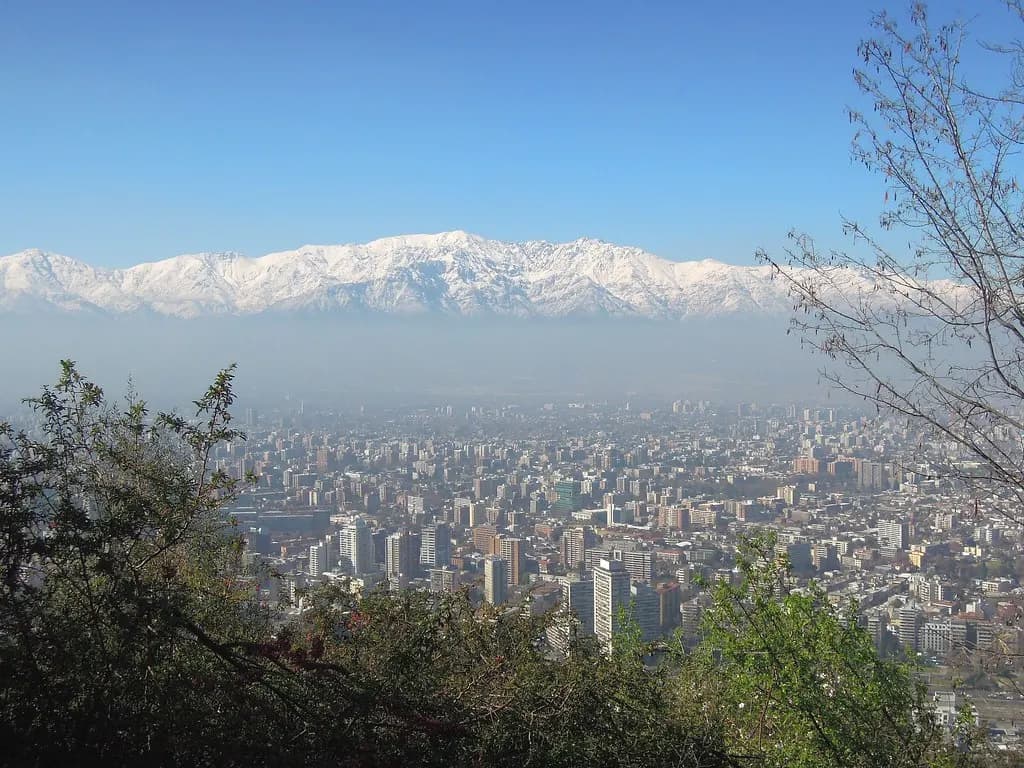
You can ski the Andes and be back in downtown Santiago for dinner the same day — a handful of major resorts sit less than two hours from a capital city of over 6 million people, a combination almost no other capital in the world can genuinely offer.
See full guide →MendozaMendoza
Argentina
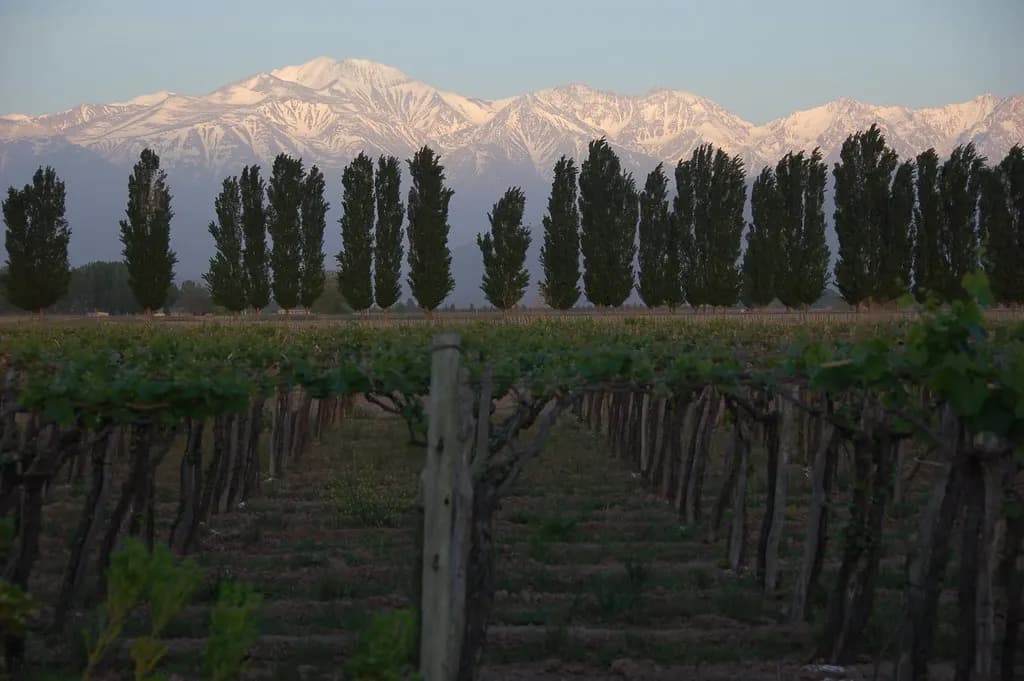
Argentina's driest wine region produces some of its best wine — Mendoza sits in a literal desert, and every vineyard here survives on a 600-year-old irrigation system originally engineered by the indigenous Huarpe people, still carrying snowmelt down from the Andes today.
See full guide → Buenos Aires
Buenos Aires
Argentina
Argentines eat more beef per person than almost any nation on Earth, dance a tango that started in the city's brothels and dockside bars in the 1880s, and built a capital so deliberately modeled on Paris that locals still call it "the Paris of South America."
See full guide →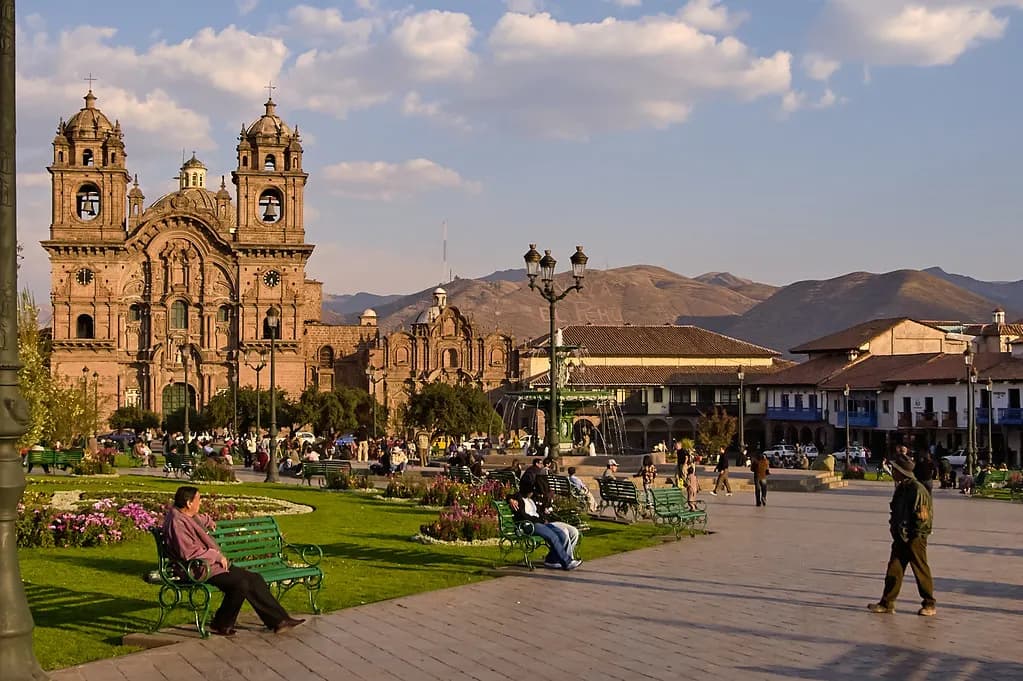 Cusco
CuscoCusco
Peru
The Inca built stone walls so precisely fitted that you still can't slide a knife blade between the blocks 500 years later — and Cusco was their capital, the literal center of an empire that stretched further than the Roman Empire at its peak.
See full guide →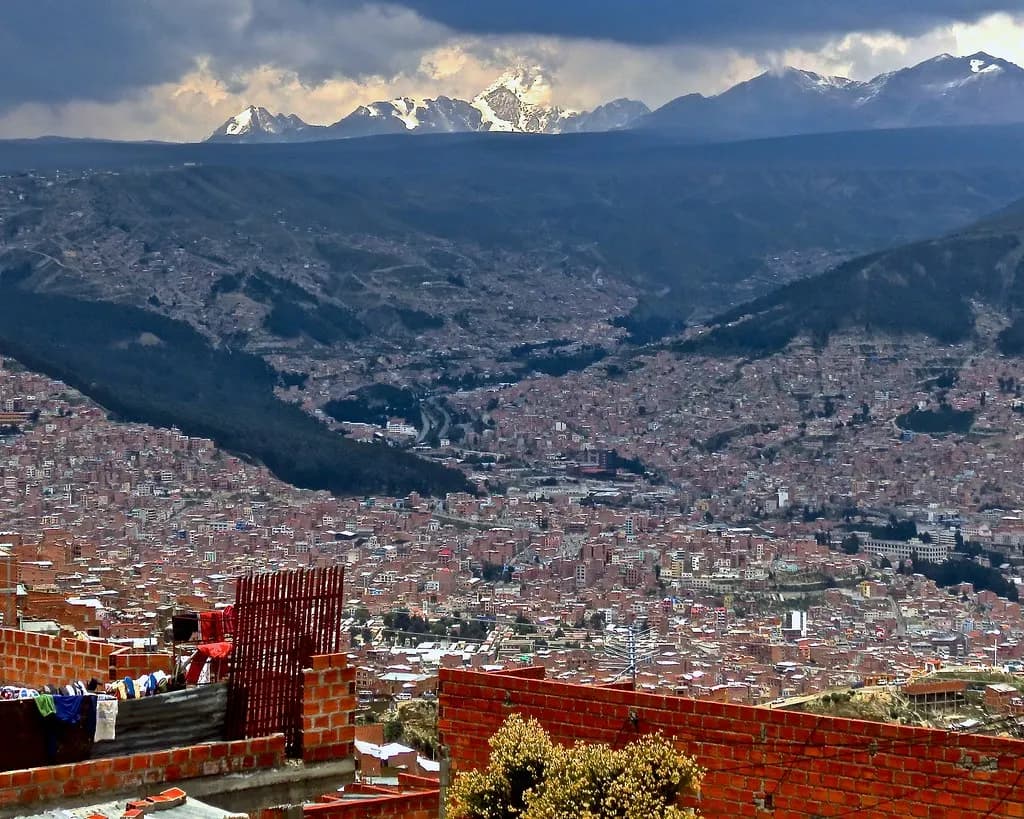 La Paz
La Paz
Bolivia
La Paz sits so high — over 3,600 meters at its lowest point — that the city built the largest urban cable car network on Earth just to move people up and down the canyon it's built into, since regular buses and roads couldn't handle the terrain.
See full guide →