Guide
Budget vs Luxury: What Your Money Actually Buys in Europe
The gap between a budget trip and a luxury one isn't just a bigger hotel room — it changes what kind of trip you're actually having. Here's what the numbers look like across a few very different cities.
"Budget" and "luxury" mean different things in different cities, which is easy to lose sight of when comparing destinations purely by feel rather than by what a day actually costs. Pulling the numbers from a handful of very different cities makes the pattern clearer than any general advice does.
The cheap end: Krakow and Budapest
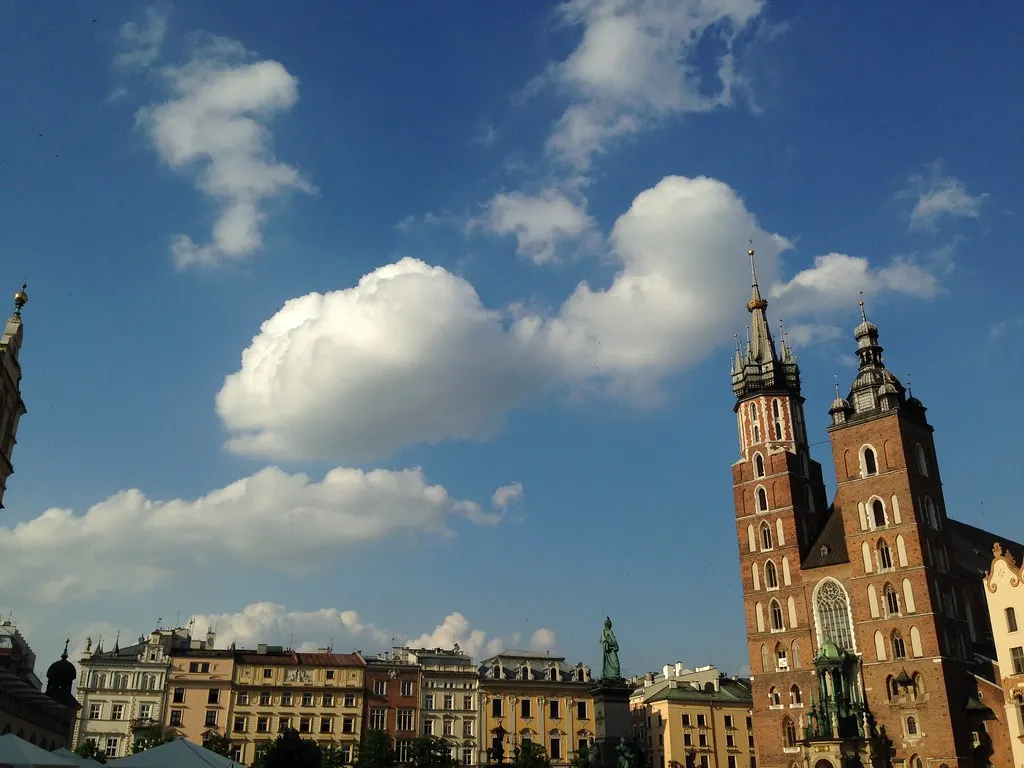
A budget day in Krakow runs around $35 — a hostel bed, tram pass, and meals at a milk bar (Poland's subsidized cafeteria-style restaurants, genuinely good and genuinely cheap) rather than sit-down restaurants. Budapest sits close behind at about $38 a day on the same basis. At the luxury end, both cities top out around $190-210 a day — a 4-5 star hotel, a private guide, and a tasting-menu dinner.
What's notable is the ratio: luxury in Krakow costs roughly five and a half times budget travel there. That gap is smaller in absolute dollars than almost anywhere else in this comparison, which is part of why Central and Eastern Europe over-delivers for travelers spending carefully — the ceiling on how much a great day can cost is genuinely lower.
The expensive end: Zurich and Reykjavik
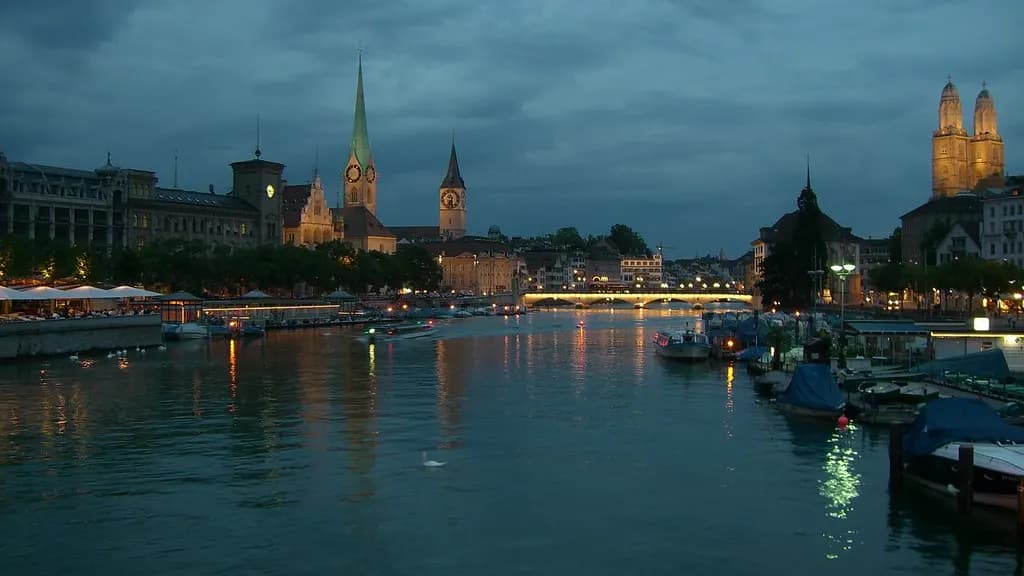
Zurich and Reykjavik don't really have a budget tier in the conventional backpacker sense — both start at mid-range, around $140 and $240 a day respectively, and that's already assuming a hotel outside the city center and mostly self-catered meals. Luxury in both cities runs $320-480 a day, which buys a genuinely excellent experience, but the floor is simply higher than almost anywhere else covered on this site.
The reason isn't really about tourist pricing specifically — it's the underlying cost of living. A coffee, a beer, or a casual lunch costs more in Zurich or Reykjavik than the equivalent in Krakow regardless of what tier of trip you're on, which is why even a deliberately frugal visitor will spend more there than a mid-range traveler in Budapest.
What actually changes between tiers
Across every city, the biggest shift from budget to mid-range isn't the hotel — it's the shift from self-navigating everything to booking a small number of specific paid experiences: a proper museum ticket instead of only free sights, one sit-down meal instead of all-market-stall eating, a half-day organized tour instead of only public transit. The jump from mid-range to luxury is different again — it's less about adding more activities and more about private access: skip-the-line entry before public opening hours, a private driver instead of a train, a tasting menu instead of a good but ordinary restaurant.
Neither tier is objectively the "right" way to see any of these cities. A budget trip to Prague and a luxury trip to Prague are genuinely different trips, not just the same itinerary at different comfort levels — worth deciding intentionally rather than defaulting to whatever tier feels normal.
Destinations mentioned in this guide
 Krakow
Krakow
Poland
A trumpet call cuts off mid-note every hour from the tallest tower of St. Mary's Basilica, a tradition dating back to a watchman supposedly shot mid-warning during a 13th-century invasion.
See full guide → Budapest
Budapest
Hungary
Two cities merged into one in 1873 — Buda's hills on one bank, Pest's flat grid on the other — and you can still feel the seam every time you cross the Chain Bridge between them.
See full guide →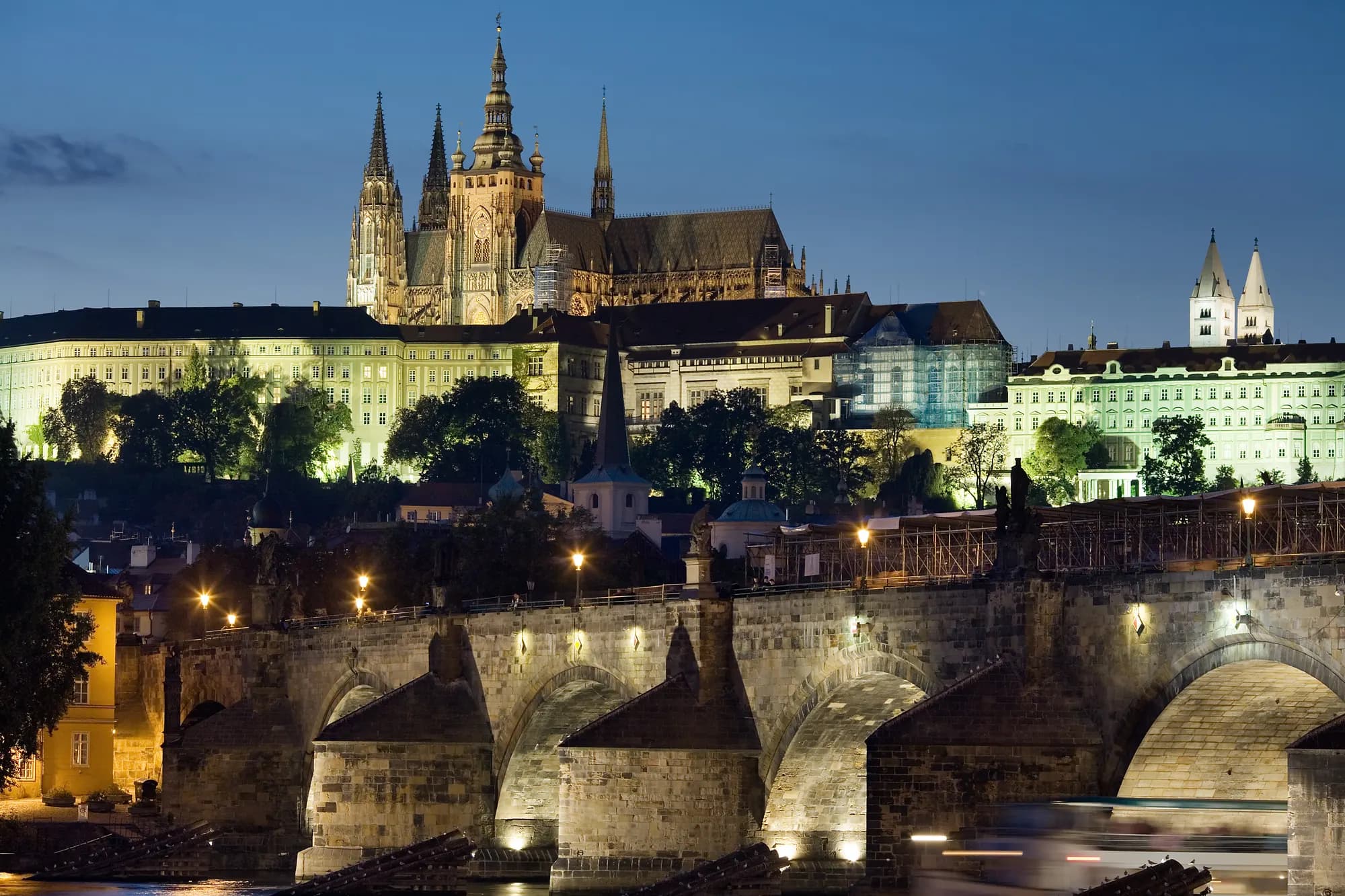 Prague
Prague
Czechia
The beer costs less than the bottled water in most restaurants, which tells you almost everything about the local priorities before you've even seen the castle.
See full guide →ZurichZurich
Switzerland
Over a thousand public drinking fountains run through this city, most fed by pristine lake and spring water, cold and genuinely safe to drink — which tells you a lot about how this place treats its infrastructure.
See full guide →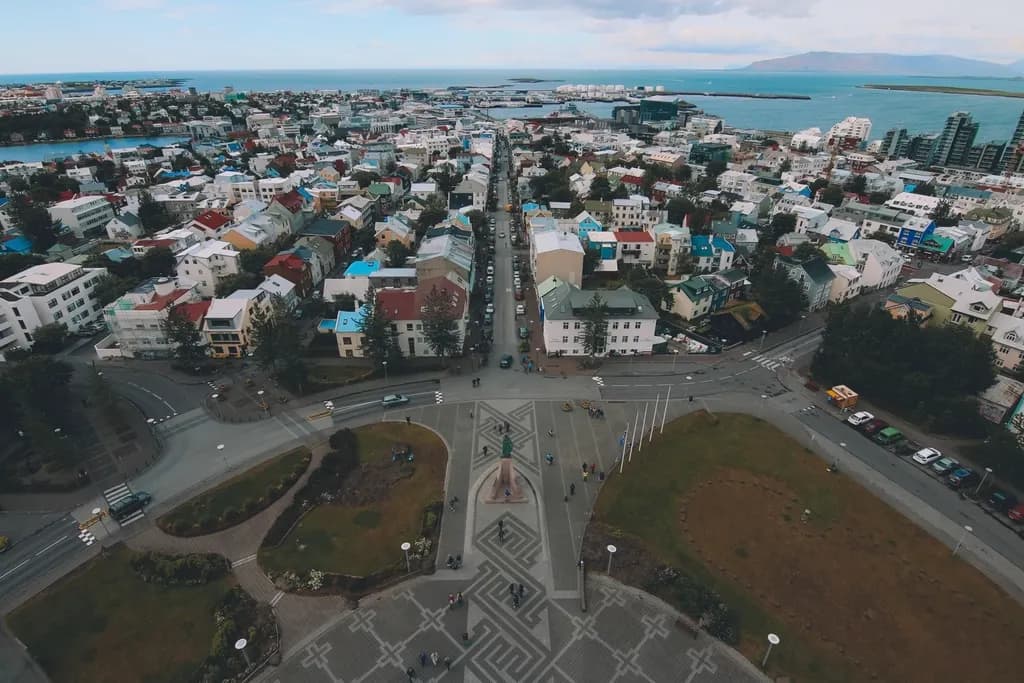 Reykjavik
Reykjavik
Iceland
The tap water comes straight from glacial springs and most homes are heated by the ground itself — geothermal energy covers virtually all of the city's heating, which is the quiet fact behind almost everything you'll notice here.
See full guide →