Guide
Best First-Time Asia Destinations for Budget Travelers
Southeast Asia built its reputation on stretching a budget further than almost anywhere else in the world — these five cities are the ones that consistently deliver on that reputation without requiring years of travel experience to navigate.
Southeast Asia earned its reputation as the budget traveler's proving ground for a specific reason: the combination of low daily costs and genuinely well-developed tourism infrastructure is hard to find together anywhere else. Cheaper regions exist, and more developed ones exist, but the overlap between the two is what's kept this corridor as the default first stop for an entire generation of first-time long-haul travelers.
Bangkok: the hub everyone passes through
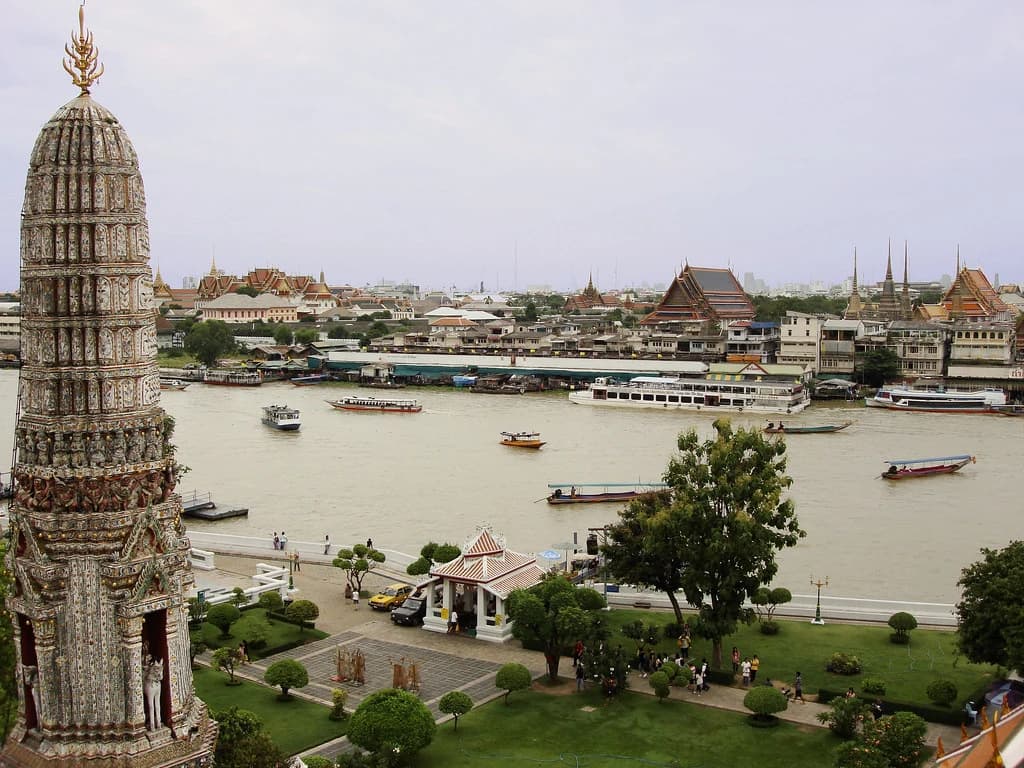
Bangkok functions as the practical entry point for most Southeast Asia itineraries, with the region's busiest international airport and flight connections to nearly everywhere else on this list. Beyond logistics, the city delivers genuine range in a short visit, ornate temple complexes like Wat Arun sitting a short walk from some of the best street food anywhere in the world, all at prices that make trying everything a realistic plan rather than a budget risk.
Chiang Mai: the slower northern counterpoint
Chiang Mai trades Bangkok's density for a smaller, more walkable old city ringed by a moat, and a mountainous north that opens up trekking and hill-tribe village visits within day-trip range. It's become something of an unofficial capital for long-term budget travelers and digital nomads specifically because monthly costs run lower here than almost anywhere else in the region while retaining strong café culture and coworking infrastructure.
Hanoi: history and a genuinely different rhythm
Hanoi offers a different texture from the Thai cities, a French colonial-era old quarter layered over deeper Vietnamese history, and a street food culture built around specific single dishes, pho, banh mi, egg coffee, rather than sprawling night market variety. It also functions as the natural gateway north toward Ha Long Bay and Sapa, worth factoring in when building a longer route.
Ubud: Bali's cultural center
Ubud sits inland from Bali's beach resorts, built around rice terrace scenery, Hindu temple culture, and a wellness-and-yoga industry that's grown substantially over the past decade. It runs pricier than the mainland Southeast Asia stops on this list, still budget-friendly by global standards, but worth budgeting slightly higher than Bangkok or Hanoi for comparable trip length.
Siem Reap: one landmark, genuinely worth the detour
Siem Reap exists almost entirely because of Angkor Wat and the wider Angkor temple complex, one of the largest religious monument sites anywhere on Earth, and the town itself has built a full tourism economy, guesthouses, night markets, restaurants, around that single draw. It's less a standalone city destination than a dedicated multi-day stop, worth pairing with Bangkok or Vietnam rather than visiting alone.
Building the route
These five cities cluster naturally into a loop: fly into Bangkok, head north to Chiang Mai, then either continue into Cambodia for Siem Reap or connect onward to Vietnam for Hanoi, with Bali and Ubud requiring a separate flight leg given the geography. A three-to-four-week first trip covering three of the five is more realistic than attempting all five without feeling rushed through each one.
The practical version
Budget travel in this region runs on cash more than cards away from major hotels and restaurants, and ATM fees add up fast across multiple countries, worth checking which home bank cards waive international withdrawal fees before departure. Overland buses and budget flights, AirAsia and VietJet chief among them, connect all five cities cheaply enough that building a flexible route rather than a fixed one rarely costs much extra.
Frequently asked questions
What is the cheapest region of Asia for first-time travelers?
Mainland and island Southeast Asia, specifically Thailand, Vietnam, Cambodia, and Indonesia, consistently offers the lowest daily costs in Asia while maintaining well-developed backpacker and budget tourism infrastructure, making it the most forgiving starting point for a first trip to the continent.
Do you need a visa to visit Thailand, Vietnam, Cambodia, or Indonesia?
Requirements vary by nationality and change periodically, so they're worth confirming close to booking, but many nationalities receive visa-free or visa-on-arrival entry for short stays in all four countries, part of what makes this specific combination popular for first-time regional trips.
How much does a day cost in Southeast Asia?
A genuinely budget-conscious day, hostel dorm, street food or local restaurants, and public or shared transport, typically runs $20 to $35 across Thailand, Vietnam, and Cambodia, with Bali running somewhat higher due to its more developed tourism pricing, especially in Ubud and the south.
Is Southeast Asia safe for first-time solo travelers?
It's one of the more established regions in the world for solo and first-time travel specifically because of how developed the backpacker infrastructure is — well-worn routes, hostels used to solo travelers, and widely available English in tourist areas. Normal travel precautions still apply, particularly around traffic and petty theft in dense areas.
Destinations mentioned in this guide
BangkokBangkok
Thailand
Bangkok's full ceremonial name runs 168 characters and holds the Guinness World Record for longest place name on Earth — a fitting bit of excess for a city that packs gold-spired royal temples, a river cut through by canal boats, and Michelin-recognized street food carts into the same few blocks.
See full guide →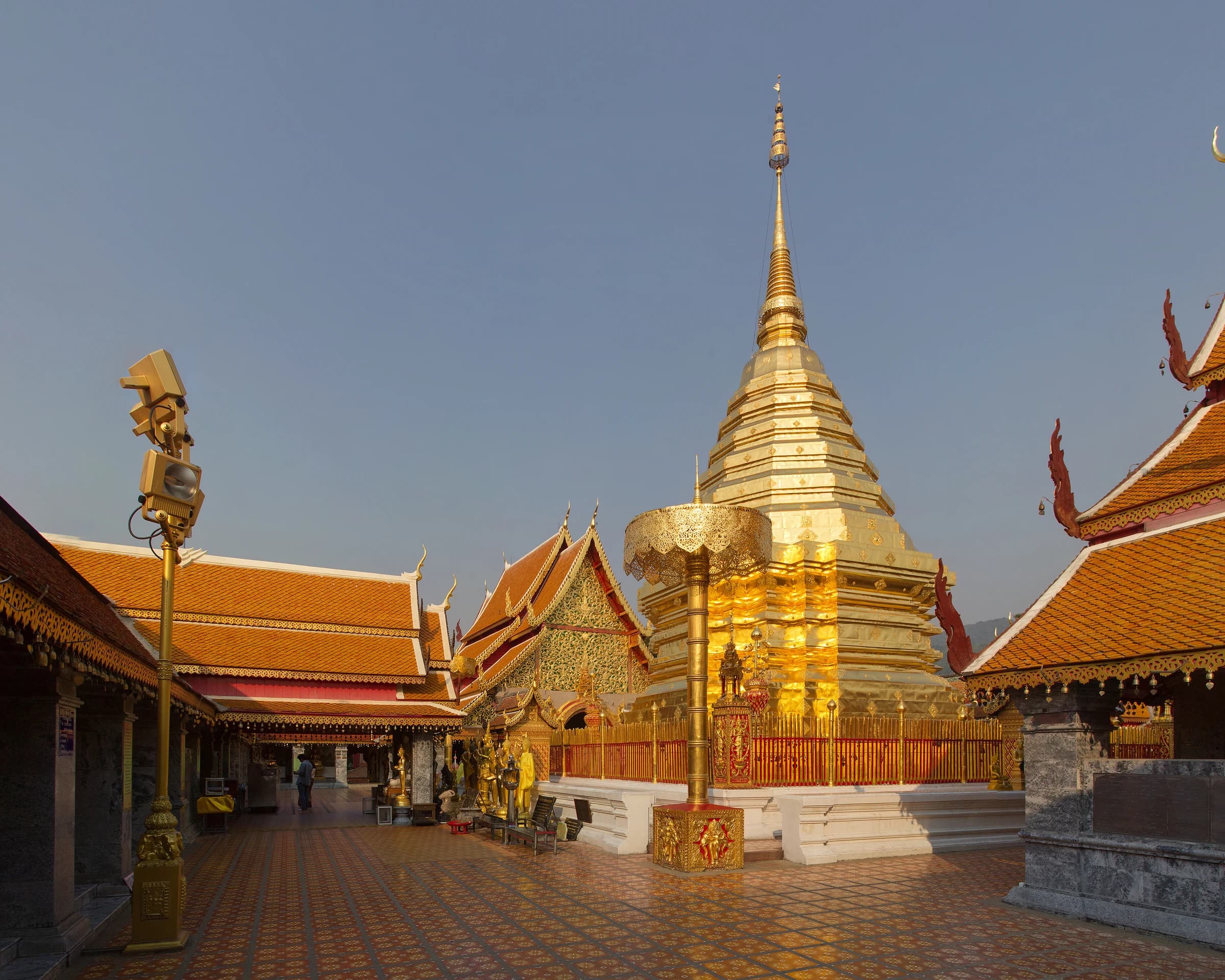 Chiang Mai
Chiang Mai
Thailand
Chiang Mai was founded in 1296 as the capital of the Lanna Kingdom, and its Old City still sits inside a nearly-complete square moat and the remnants of its original brick walls — a slower, mountain-ringed counterpoint to Bangkok that's become one of the world's most popular bases for long-term digital nomads.
See full guide →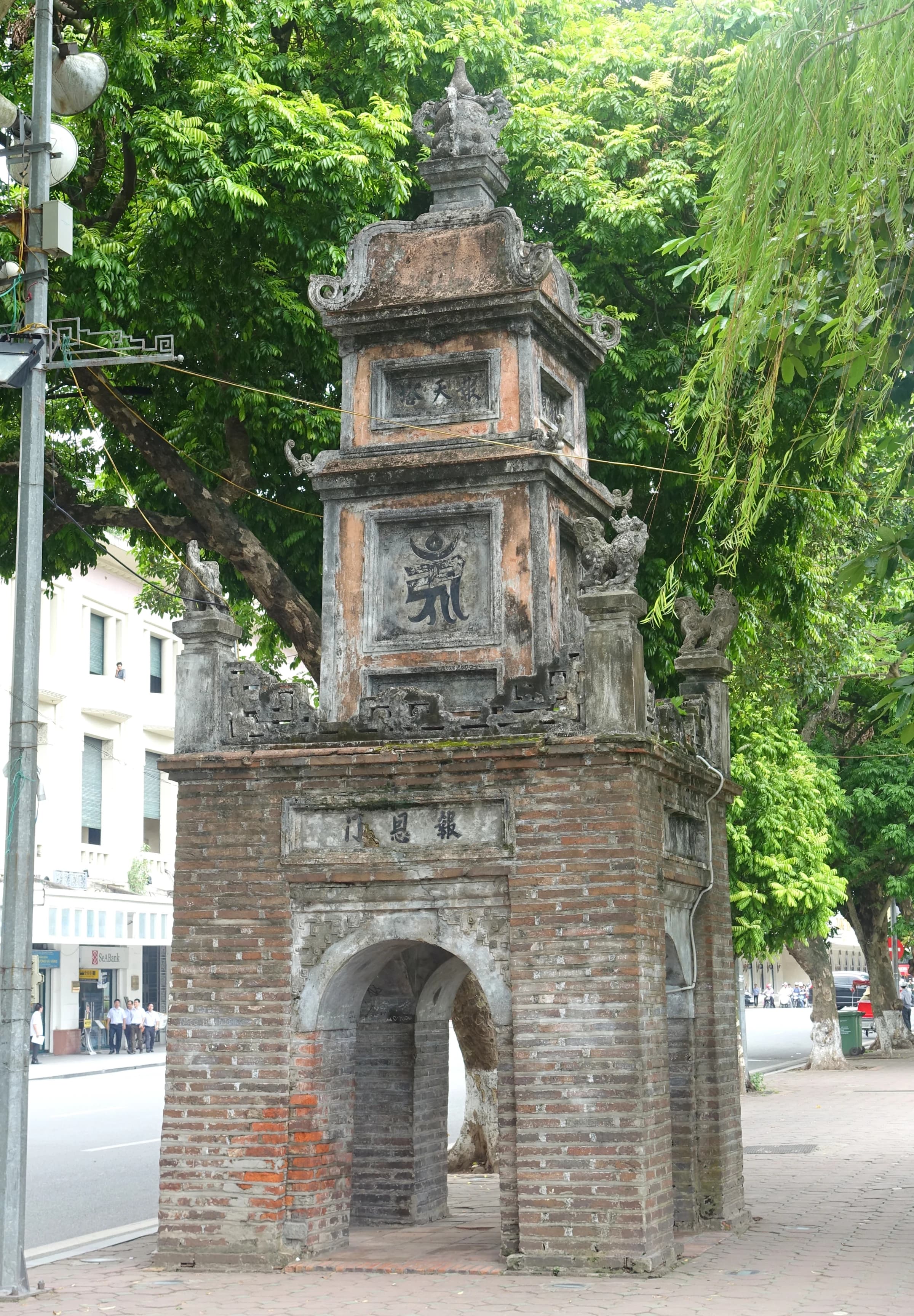 Hanoi
HanoiHanoi
Vietnam
Vietnam's capital has been continuously inhabited since 1010, and a stretch of its Old Quarter still runs literal train tracks through a residential street lined with cafes close enough to touch the passing carriages — one of the more unusual ways a thousand-year-old city and modern viral tourism have collided.
See full guide →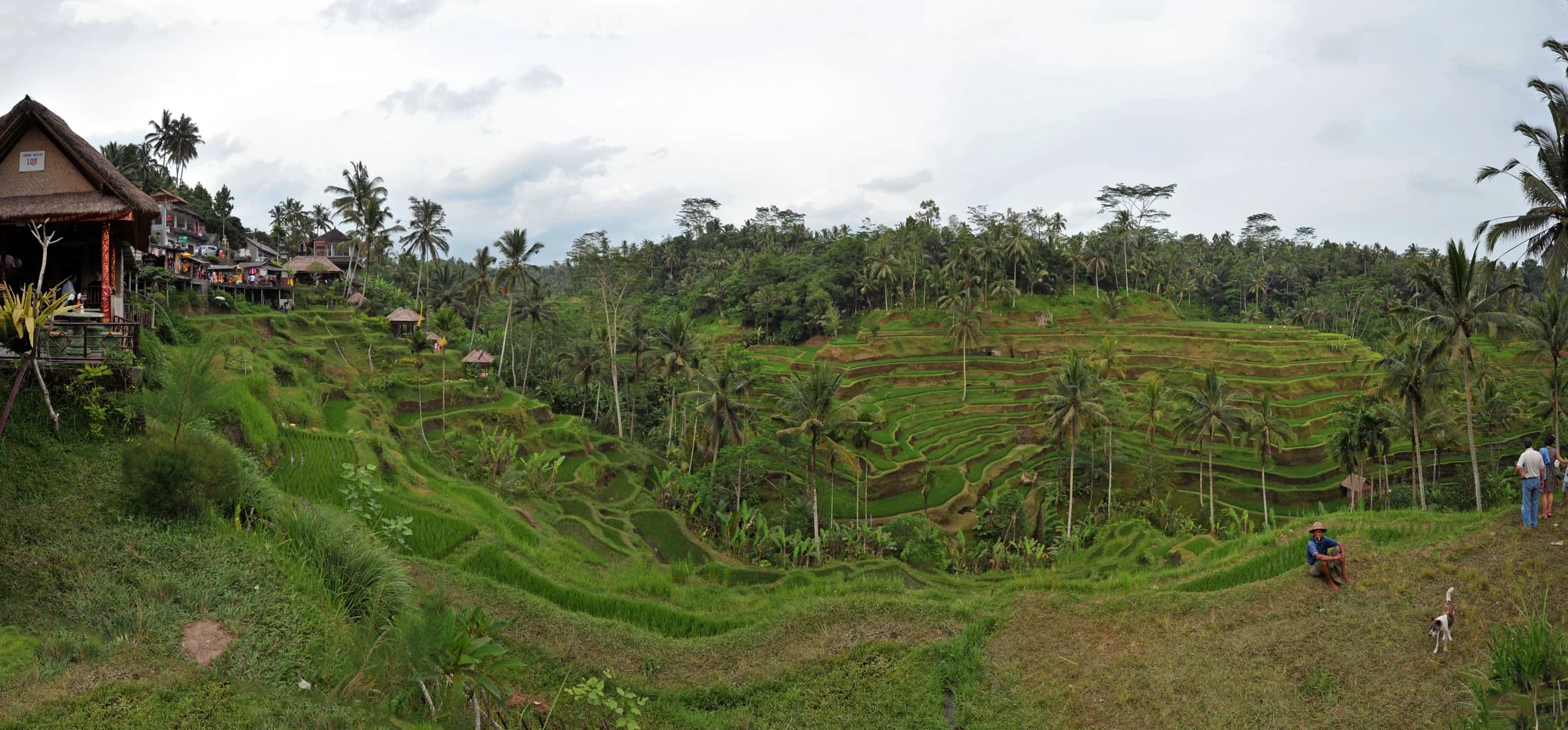 Ubud
UbudUbud
Indonesia
Bali is a Hindu-majority island sitting inside the world's largest Muslim-majority country, and Ubud, its cultural heart, is estimated to hold somewhere around 20,000 temples across the wider island — a genuinely distinct religious and artistic identity that no amount of post-Eat Pray Love tourism growth has managed to flatten.
See full guide →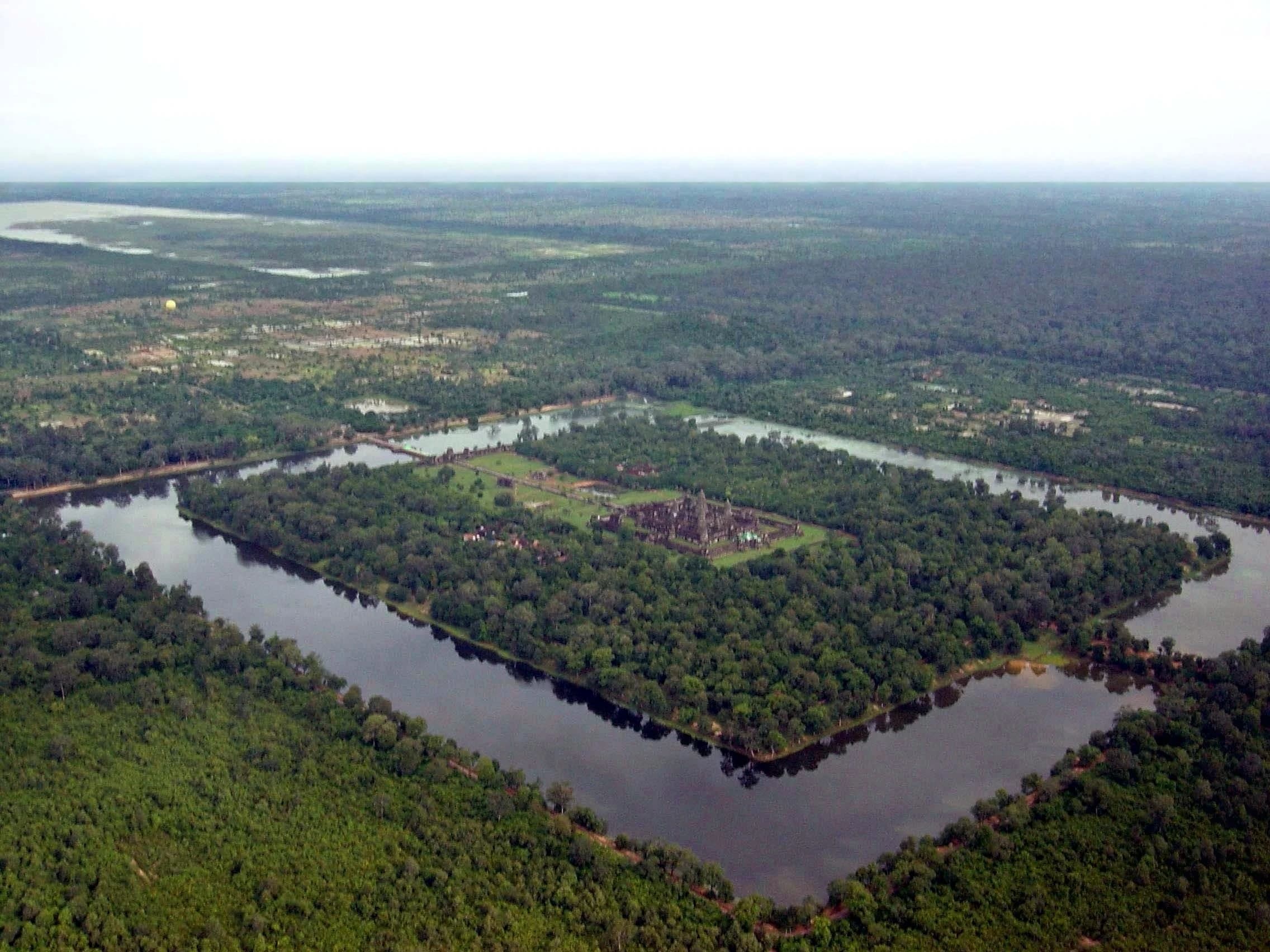 Siem Reap
Siem Reap
Cambodia
Angkor Wat is the largest religious monument on Earth by land area, and it's the only ancient structure depicted on a national flag anywhere in the world — a single temple within an archaeological park so vast that the city built around it, Siem Reap, has spent decades essentially existing to serve it.
See full guide →