Guide
New Zealand's North Island vs South Island: Which to Prioritize on a First Trip
New Zealand's two main islands split its identity almost cleanly in half — North Island culture and geothermal geology against South Island mountains and fjords. Most first trips can't do both properly, so here's how to decide.
New Zealand's two main islands split the country's identity in a way that's unusually clean for a place this size. The North Island carries most of the population, the deepest Māori cultural heritage, and a geothermal landscape found in few other places on Earth; the South Island carries the mountains, fjords, and glaciers that dominate the country's postcard reputation. A first trip rarely has time to cover both properly, which makes the choice worth thinking through rather than defaulting to whichever island the flight happens to land on.
The North Island's case
Auckland, New Zealand's largest city, anchors the North Island with a genuinely international feel and easy access to the Bay of Islands further north. Wellington, the capital, packs a dense arts, food, and film-industry culture, home to Weta Workshop's effects studios, into a compact, walkable waterfront city. Between the two, Rotorua delivers the North Island's most distinctive landscape: geothermal geysers, bubbling mud pools, and the deepest concentration of Māori cultural experiences and performances anywhere in the country.
The South Island's case
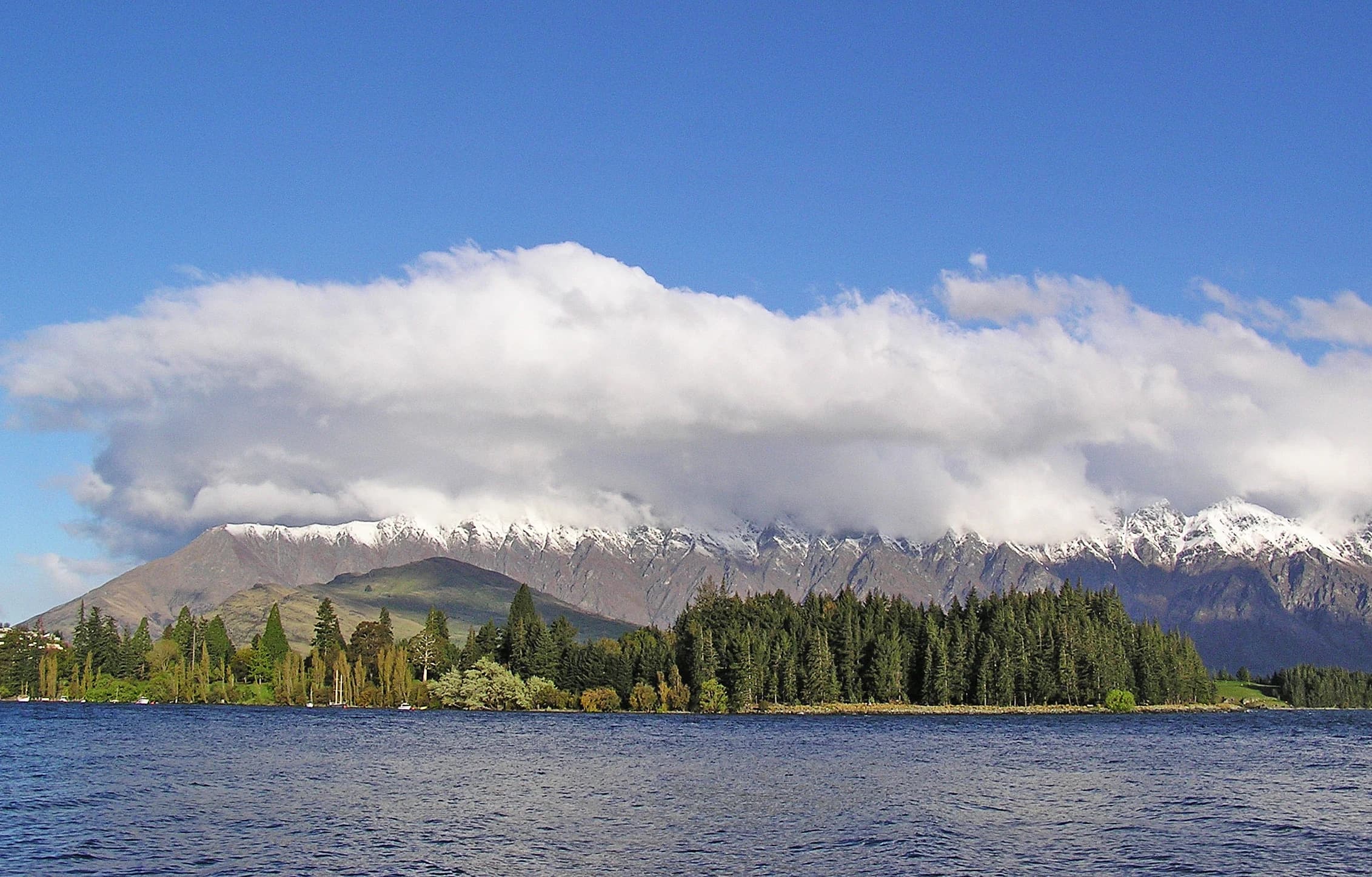
Queenstown built its reputation as the adventure tourism capital, bungee jumping was commercialized here, set against a genuinely dramatic lake-and-mountain backdrop. Christchurch serves as the main South Island gateway, still visibly rebuilding parts of its center following the 2011 earthquake, worth knowing before arrival rather than being surprised by construction. Milford Sound, reachable from Queenstown, delivers a fjord landscape regularly ranked among the most striking in the world, waterfalls dropping directly into the water beneath sheer rock walls.
Getting between the two
The Interislander and Bluebridge ferries cross Cook Strait between Wellington and Picton in roughly 3 to 3.5 hours, a scenic crossing in its own right through the Marlborough Sounds. Domestic flights between the main hubs, Auckland or Wellington to Queenstown or Christchurch, run under 2 hours and are often the more practical choice for itineraries with limited time, since driving the length of either island takes considerably longer than the distances might suggest.
Making the call
A one-week trip is genuinely better spent picking one island and covering it properly than splitting time thin across both. For travelers prioritizing dramatic natural scenery and adventure activities, the South Island wins clearly. For those more drawn to cultural depth, geothermal landscapes, and city variety, the North Island holds its own without needing to compete on mountain scenery it was never going to win. Ten days to two weeks opens up a realistic combined itinerary without reducing either island to a rushed highlight reel.
The practical version
Book the interisland ferry or domestic flight well ahead during New Zealand's summer high season, December through February, when both sell out fastest. Renting a car on whichever island gets the most time is worth it given how much of New Zealand's appeal sits along scenic drives rather than concentrated in single towns.
Frequently asked questions
Is the North Island or South Island better for first-time visitors?
The South Island generally wins for dramatic mountain and fjord scenery, Milford Sound and Queenstown chief among the draws, while the North Island offers stronger Māori cultural experiences, geothermal landscapes around Rotorua, and the country's two largest cities, Auckland and Wellington.
How do you get between New Zealand's North and South Islands?
The Interislander and Bluebridge ferries cross Cook Strait between Wellington and Picton in roughly 3 to 3.5 hours, carrying both passengers and vehicles. Domestic flights between Auckland or Wellington and Queenstown or Christchurch are also common and often faster for time-limited itineraries.
Can you see both islands in one week?
It's possible but tight, and most visitors end up rushing through highlights on both sides rather than seeing either properly. Ten days to two weeks is a more realistic window for genuinely covering both islands without feeling like a checklist trip.
Which island has Milford Sound?
Milford Sound sits on the South Island, in Fiordland National Park, reachable by road from Queenstown (about 4.5 hours) or by scenic flight for a shorter, pricier alternative. It's consistently cited as one of New Zealand's single most dramatic landscapes.
Destinations mentioned in this guide
 Auckland
Auckland
New Zealand
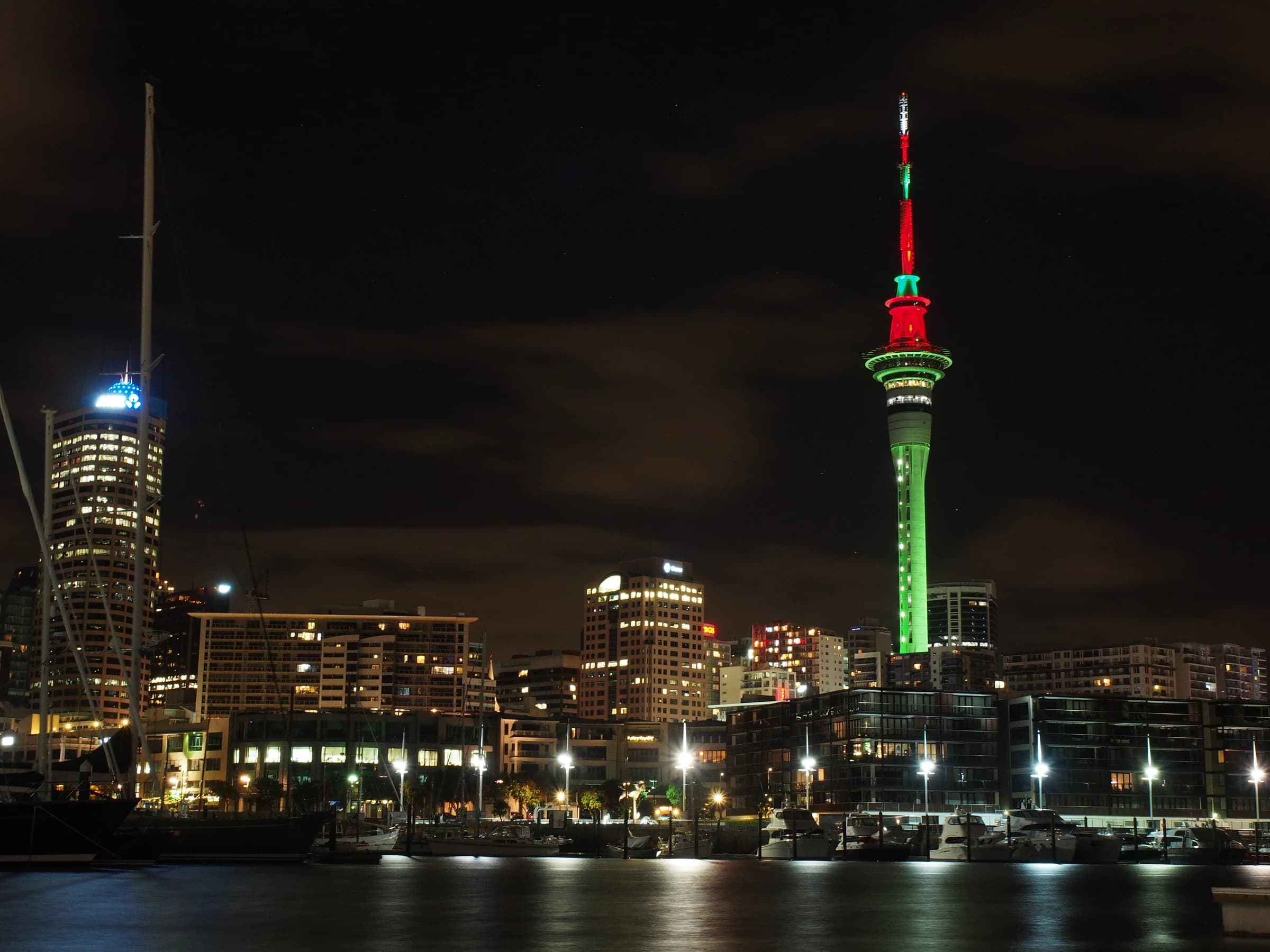
Auckland is built directly on top of an active volcanic field — around 50 volcanic cones dot the city and its surroundings, and while most are considered dormant rather than truly extinct, a new eruption could theoretically happen almost anywhere within the field, including somewhere that isn't currently a volcano at all.
See full guide →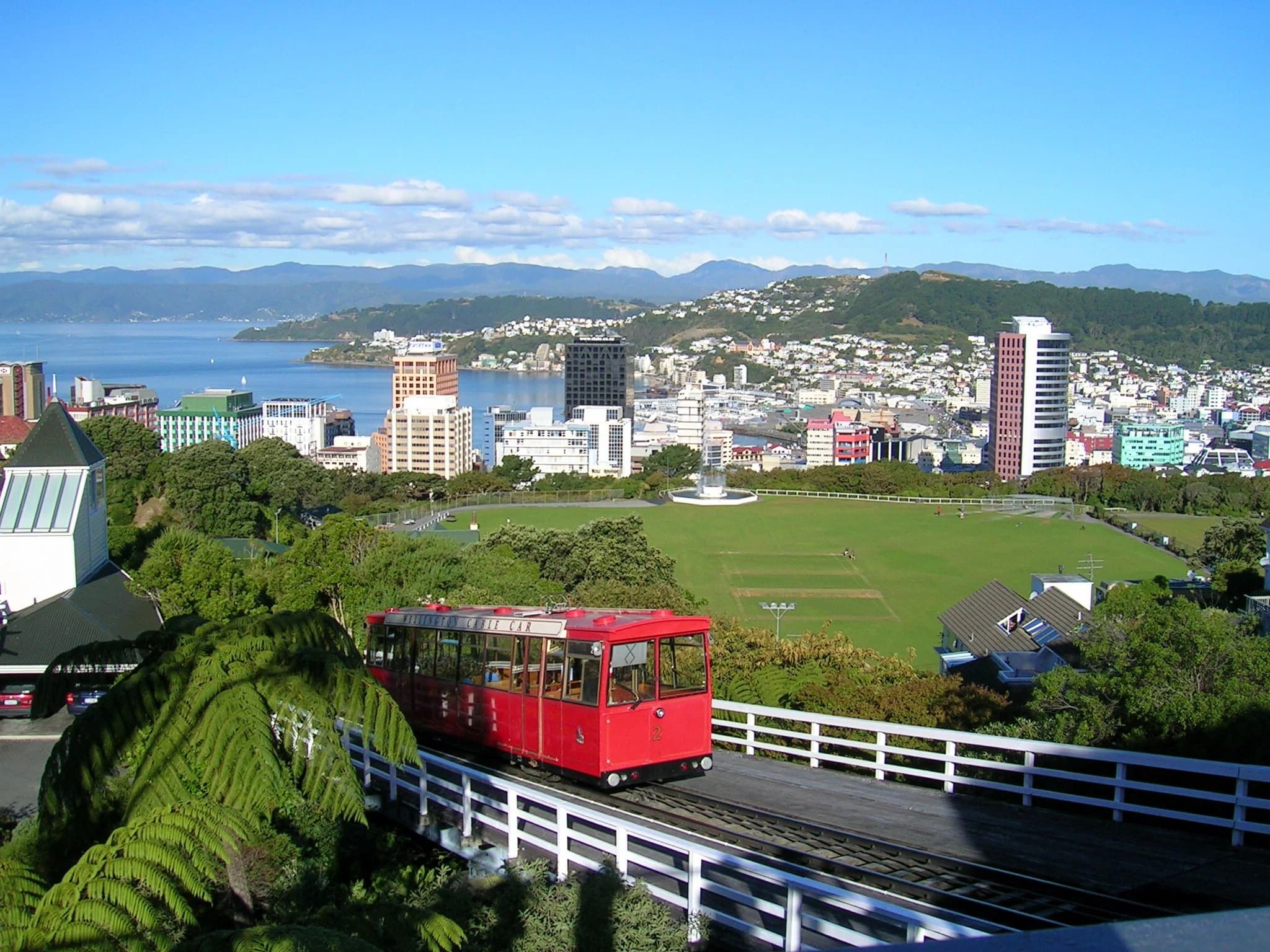 Wellington
Wellington
New Zealand
Wellington, not Auckland, is New Zealand's capital, and the city has leaned so hard into its creative reputation that Lonely Planet once called it 'the coolest little capital in the world' — a title backed up by Peter Jackson's effects studio, Weta Workshop, which turned the city into a genuine film production hub.
See full guide →QueenstownQueenstown
New Zealand
Commercial bungy jumping was invented right here — AJ Hackett's first jump off the Kawarau Bridge in 1988 turned Queenstown into what's now genuinely called the adventure capital of the world, and that same bridge still runs bungy jumps today, largely unchanged since the sport's invention.
See full guide →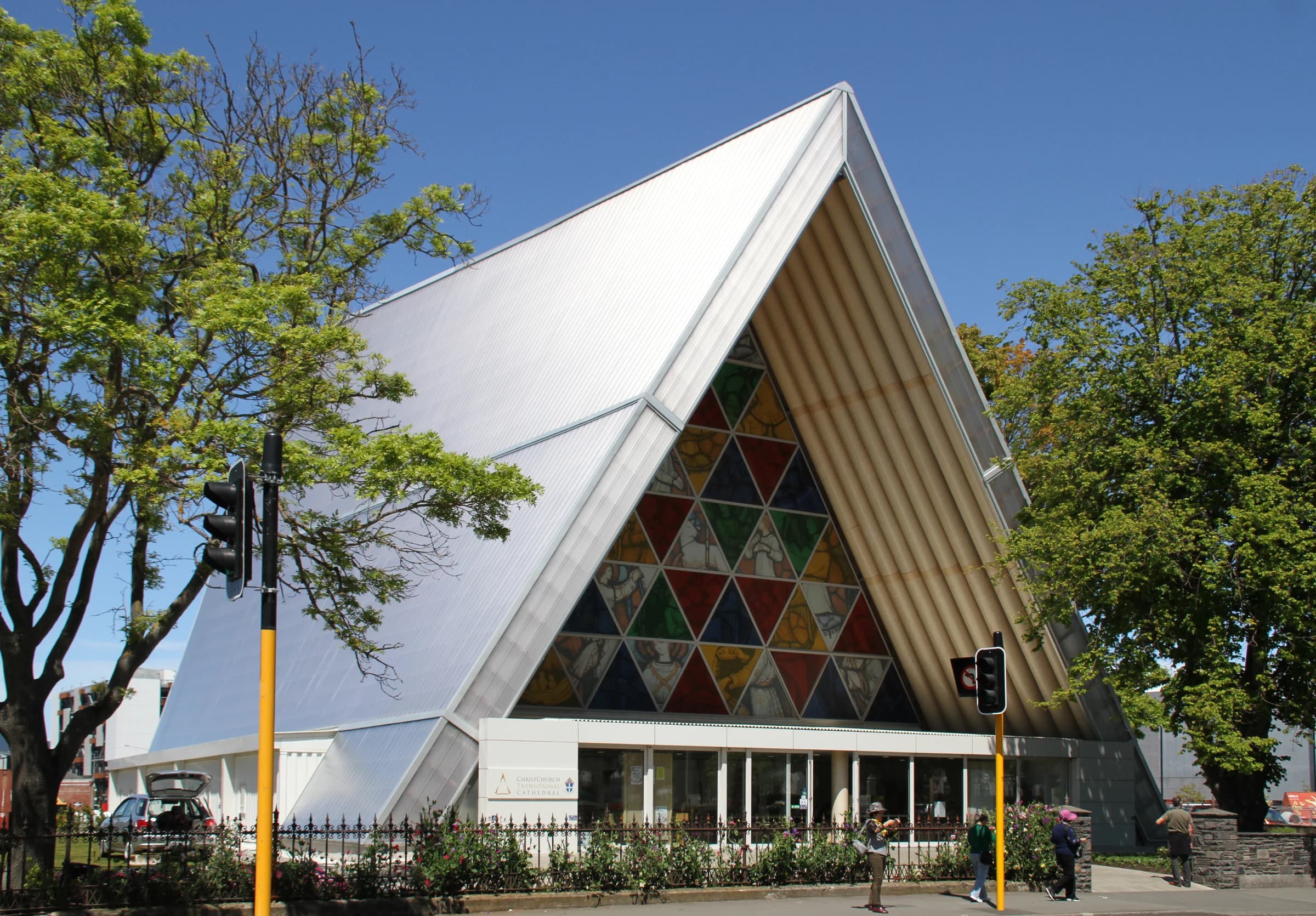 Christchurch
Christchurch
New Zealand
A magnitude 6.3 earthquake killed 185 people and flattened much of Christchurch's center in February 2011, and the rebuilt city that emerged used the disaster as a genuine opportunity — a Japanese architect built a temporary cathedral out of giant cardboard tubes, and it's still standing, still in use, more than a decade later.
See full guide →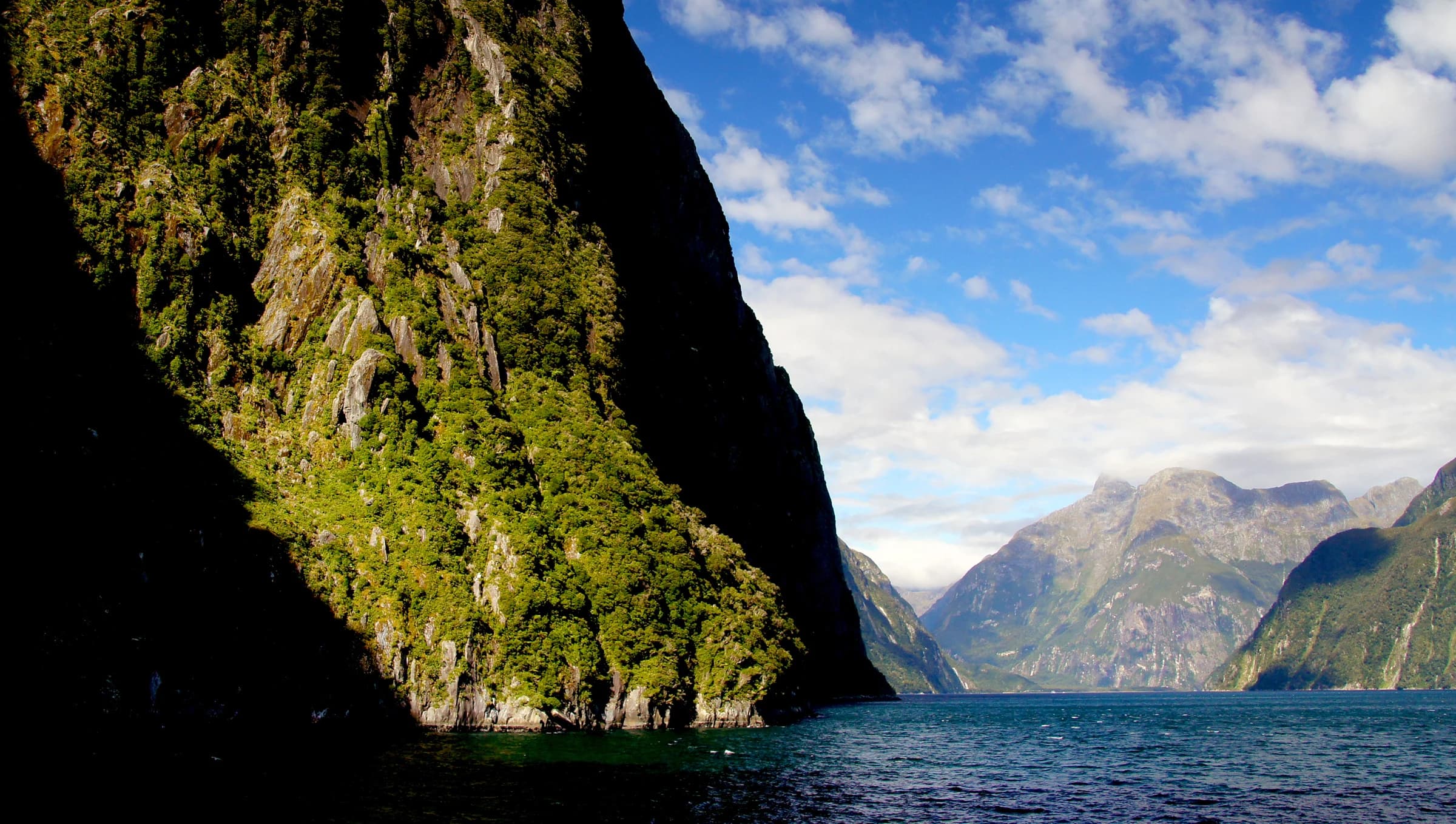 Milford Sound
Milford Sound
New Zealand
Rudyard Kipling once called Milford Sound the eighth wonder of the world, and he said it about a place that also happens to be one of the wettest inhabited spots in New Zealand — the fiord gets drenched in rain most of the year, and somehow that's part of what makes it look the way it does, waterfalls appearing down sheer cliff faces after every serious downpour.
See full guide →