New Zealand · Oceania
Wellington
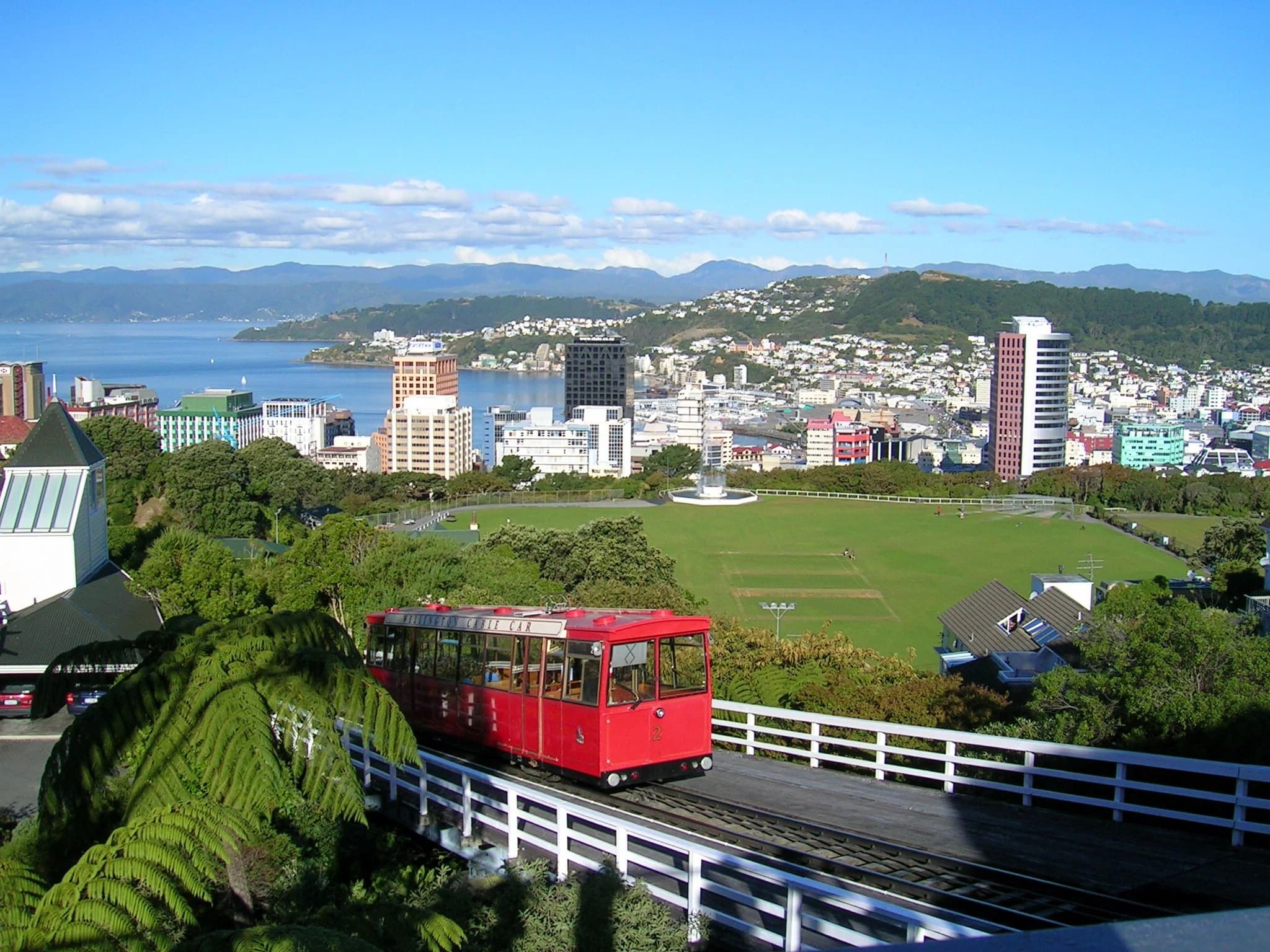
Wellington, not Auckland, is New Zealand's capital, and the city has leaned so hard into its creative reputation that Lonely Planet once called it 'the coolest little capital in the world' — a title backed up by Peter Jackson's effects studio, Weta Workshop, which turned the city into a genuine film production hub.
Wellington, not Auckland, is New Zealand's capital, a distinction that surprises a fair number of first-time visitors given how much larger Auckland is. Wellington took over the role in 1865, chosen partly for its more central position between the North and South Islands, and the city has spent the decades since building a reputation entirely its own, one Lonely Planet once summarized by calling it "the coolest little capital in the world."
That reputation rests heavily on Wellington's film industry connections. Weta Workshop, the special effects and prop studio founded by Peter Jackson and Richard Taylor, built the creatures, weapons, and armor for the Lord of the Rings and Hobbit trilogies right here, and the studio's guided tours and Weta Cave exhibit give visitors a genuine, hands-on look at how those films' physical effects actually came together, well before CGI took over more of the work industry-wide.
The city's nickname, "Windy Wellington," reflects a real and near-constant local weather pattern rather than exaggeration. Wellington sits directly on Cook Strait, the narrow channel separating New Zealand's two main islands, and that geography funnels wind through the city with unusual force and consistency, a defining feature locals have simply built their daily routines around.
Te Papa Tongarewa, New Zealand's national museum, sits on the Wellington waterfront and remains free to enter, a deliberate policy reflecting the museum's bicultural mission of presenting both European and Maori perspectives on the country's history side by side, through interactive exhibits that go well beyond a standard static museum format.
Wellington's compact size, genuinely walkable from the waterfront up into the surrounding hills, and its dense concentration of cafes, craft breweries, and small restaurants along streets like Cuba Street give it an outsized creative energy relative to its population, a character that shows up directly in how the city was ranked among the most liveable in international surveys despite its modest size compared to other national capitals.
What a trip here actually costs
$55 / day avg.
- Hostel dorm in central Wellington
- Public transport fares
- Casual cafe meals
- Te Papa museum entry, free
What to do at this tier
- • Te Papa Tongarewa, New Zealand's national museum, free entry
- • Wellington waterfront promenade wander, free
- • Cuba Street's cafes and street art, free to walk
$140 / day avg.
- 3-star hotel near the waterfront
- Weta Workshop guided tour
- Sit-down dinners at central restaurants
- Cable car to the Botanic Garden
What to do at this tier
- • Weta Workshop guided tour and Weta Cave exhibit
- • Cable car ride from the city center to the Wellington Botanic Garden
- • Mount Victoria lookout for panoramic harbor and city views
$320 / day avg.
- 4-5 star hotel with harbor views
- Private film locations and Weta Workshop tour
- Multi-course tasting menu at a top Wellington restaurant
- Private day trip into the Wairarapa wine region
What to do at this tier
- • Private guided film locations tour covering Lord of the Rings and Hobbit filming sites around the region
- • Multi-course tasting menu at a leading Wellington restaurant
- • Private day trip to the Wairarapa wine region, a short drive from the city
These are average estimates for planning purposes, not real-time prices — actual costs vary by season, availability, and how far ahead you book.
How to get there
Click anywhere on the world map — any airport works, not just our main hubs.
Click anywhere on the map above — any airport in the world works — to see estimated travel time and cost from there.
Times and prices are planning estimates, not live fares — always check a booking site before you commit. See the full Transport Comparison guide for the general tradeoffs of each mode.
Best time to visit
December-February brings the warmest, calmest weather; Wellington stays genuinely windy year-round regardless of season, so pack accordingly.
Safety notes
Generally very safe for tourists with standard urban caution.
Visa & currency
New Zealand dollar (NZD). Most visa-waiver nationalities need a New Zealand Electronic Travel Authority (NZeTA), an online application required since 2019, arranged before arrival.
Questions people ask before visiting
Is Wellington worth visiting?
Yes — as New Zealand's capital and creative hub, Wellington packs Te Papa's free national museum, a genuinely strong coffee and craft beer scene, and direct connections to the country's film industry into a compact, walkable city.
Is Wellington or Auckland the capital of New Zealand?
Wellington is the capital, despite Auckland being considerably larger and the country's main international arrival point. Wellington has held the role since 1865, when it replaced Auckland partly for its more central location between the North and South Islands.
Why is Wellington so windy?
Wellington sits directly on Cook Strait, the narrow gap between New Zealand's North and South Islands, which funnels wind through with unusual force and consistency. The city's nickname, 'Windy Wellington,' reflects genuine, near-constant local weather rather than an exaggeration.
Can you tour Weta Workshop?
Yes — Weta Workshop, the special effects and prop studio behind the Lord of the Rings, Hobbit, and numerous other major films, offers guided tours of its facilities and a Weta Cave exhibit space, a genuine look into how the films' creatures and props were built.
Nearby destinations
 Auckland
Auckland
New Zealand
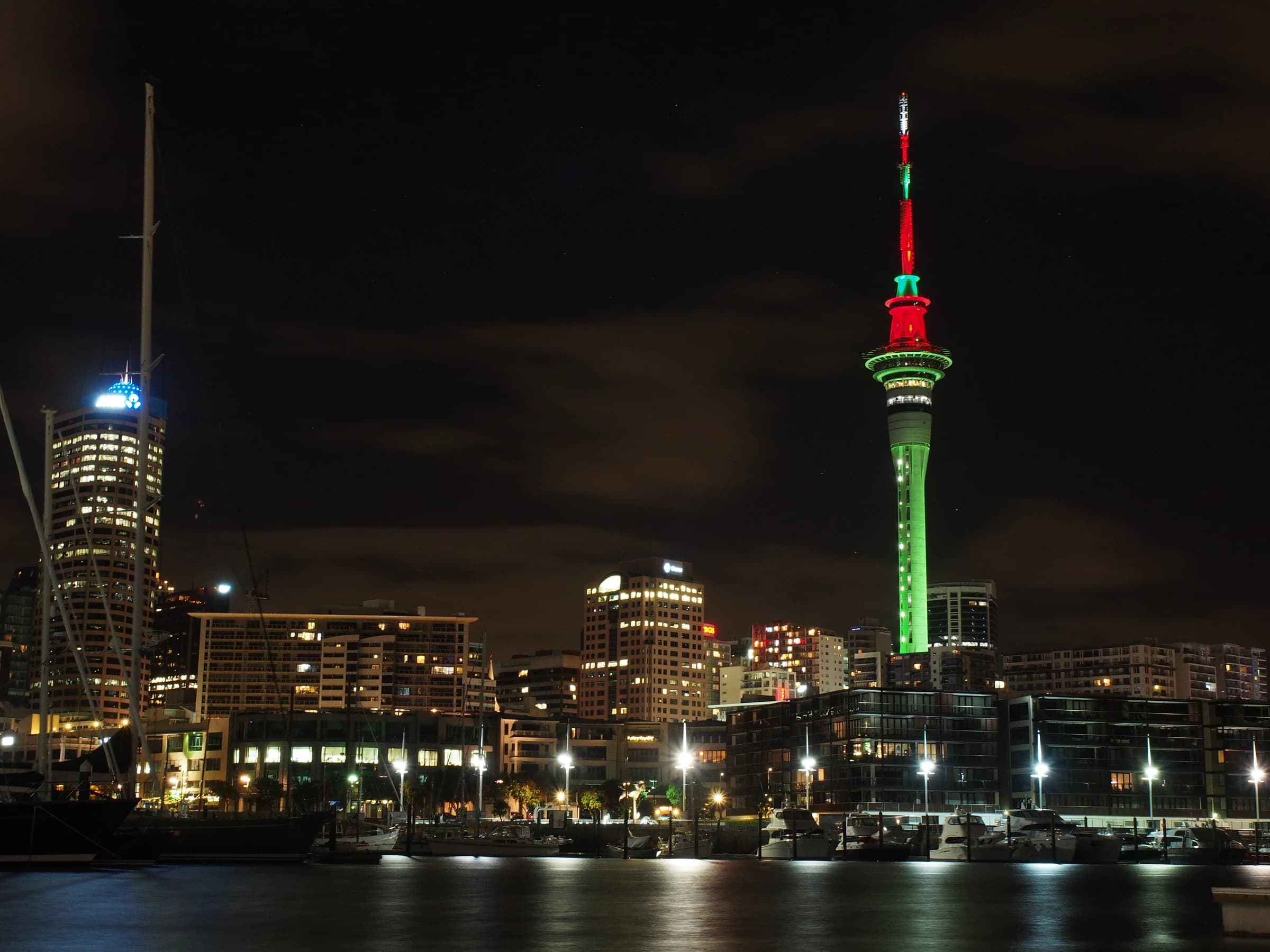
Auckland is built directly on top of an active volcanic field — around 50 volcanic cones dot the city and its surroundings, and while most are considered dormant rather than truly extinct, a new eruption could theoretically happen almost anywhere within the field, including somewhere that isn't currently a volcano at all.
See full guide →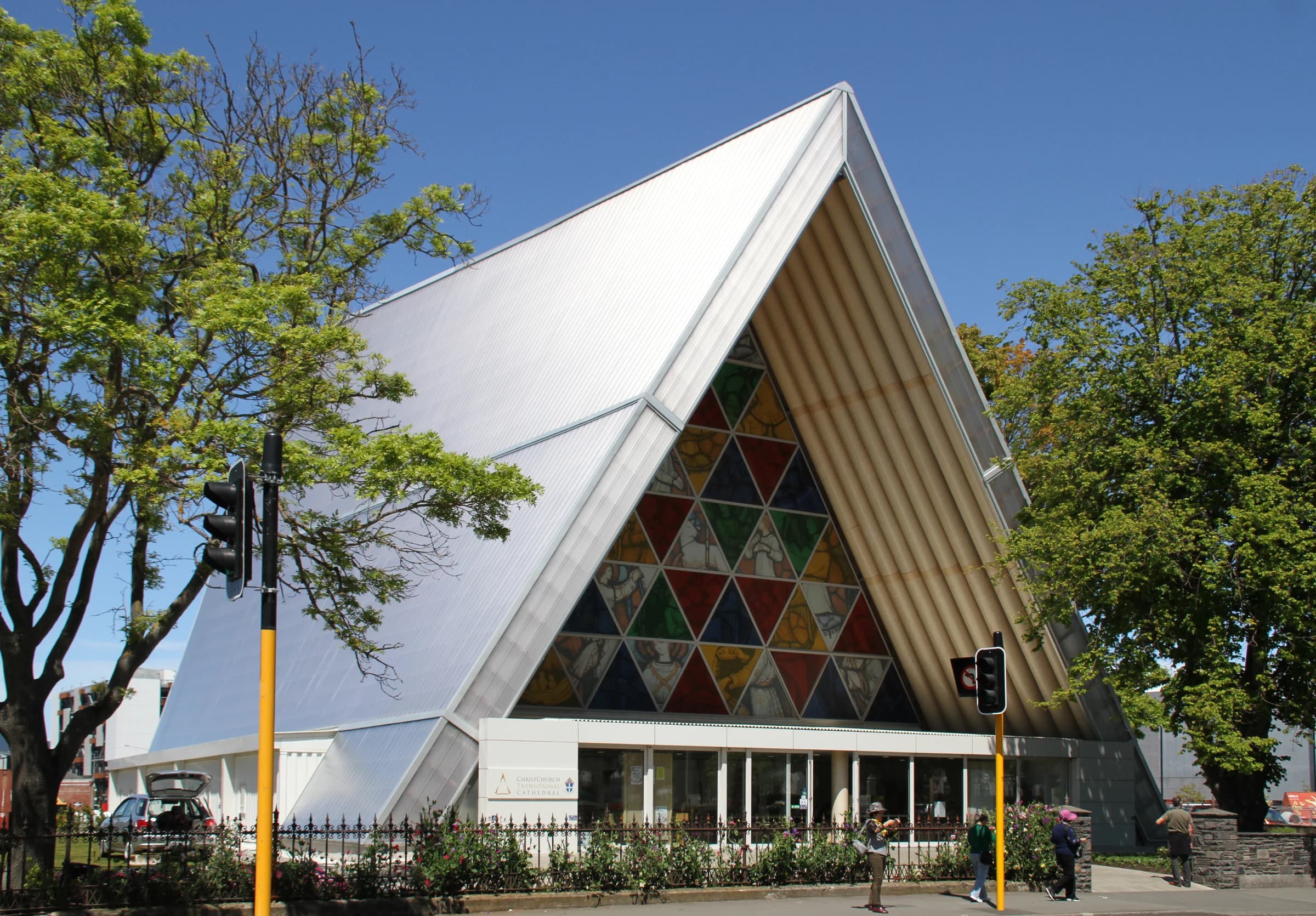 Christchurch
Christchurch
New Zealand
A magnitude 6.3 earthquake killed 185 people and flattened much of Christchurch's center in February 2011, and the rebuilt city that emerged used the disaster as a genuine opportunity — a Japanese architect built a temporary cathedral out of giant cardboard tubes, and it's still standing, still in use, more than a decade later.
See full guide →Comparing more than one route? See the full transport comparison guide.