New Zealand · Oceania
Christchurch
A magnitude 6.3 earthquake killed 185 people and flattened much of Christchurch's center in February 2011, and the rebuilt city that emerged used the disaster as a genuine opportunity — a Japanese architect built a temporary cathedral out of giant cardboard tubes, and it's still standing, still in use, more than a decade later.
A magnitude 6.3 earthquake struck Christchurch on February 22, 2011, killing 185 people and severely damaging or destroying much of the city's historic center, including the original ChristChurch Cathedral, a landmark that had anchored the city's main square since the 1800s. The disaster, following a larger but less deadly quake the previous September, reshaped Christchurch fundamentally, and the rebuild that followed has continued for well over a decade.
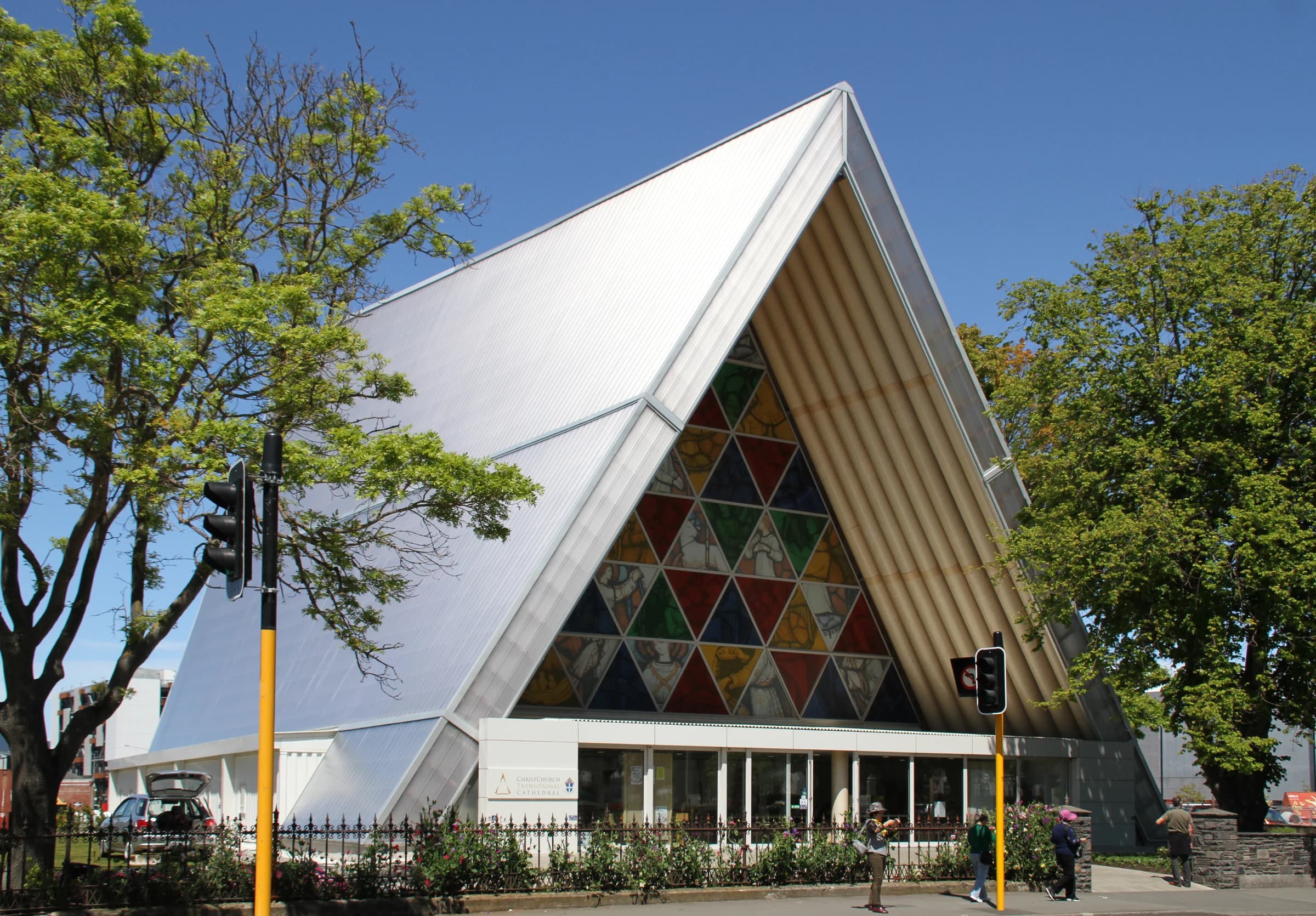
That rebuild produced some genuinely inventive architecture rather than simply replacing what was lost. Japanese architect Shigeru Ban, known internationally for disaster-relief architecture using unconventional materials, designed a temporary replacement cathedral built primarily from large cardboard tubes reinforced with timber and steel. Completed in 2013, the Cardboard Cathedral remains in active use today, more than a decade after it was meant to be a stopgap, and has become a genuine architectural landmark rather than a mere placeholder.
Re:START, a shopping precinct built from repurposed shipping containers in the aftermath of the quake, gave the city a functioning commercial center again within months rather than years, and while much of it has since been replaced by permanent construction, it stands as one of the more widely cited examples of creative, fast disaster-recovery urban design anywhere in the world.
Christchurch functions as the practical starting point for the TranzAlpine train, a rail journey across the Southern Alps to Greymouth on the West Coast that's widely regarded as one of the great scenic train routes anywhere, passing through dramatic gorge and mountain scenery that would be difficult to reach by road in a comparable timeframe.
Before the earthquake, Christchurch was known as the "Garden City" for its English-style architecture and extensive parks, and the Botanic Gardens and the Avon River, still punted by traditional flat-bottom boats through the city center, preserve that older character alongside the newer, more experimental architecture that's emerged from the rebuild.
What a trip here actually costs
$50 / day avg.
- Hostel dorm in central Christchurch
- Public transport fares
- Casual cafe meals
- Cardboard Cathedral and Re:START mall wander, free
What to do at this tier
- • Cardboard Cathedral, Shigeru Ban's temporary structure built from cardboard tubes, free to view
- • Re:START container mall, a post-earthquake rebuild landmark, free to walk
- • Christchurch Botanic Gardens, free entry
$130 / day avg.
- 3-star hotel in central Christchurch
- Botanic Gardens and punting on the Avon River
- Sit-down dinners at central restaurants
- TranzAlpine train day trip
What to do at this tier
- • Punting on the Avon River, a traditional flat-bottom boat ride through the city center
- • TranzAlpine train day trip across the Southern Alps to Greymouth and back
- • Christchurch Art Gallery and central city street art tour
These are average estimates for planning purposes, not real-time prices — actual costs vary by season, availability, and how far ahead you book.
How to get there
Click anywhere on the world map — any airport works, not just our main hubs.
Click anywhere on the map above — any airport in the world works — to see estimated travel time and cost from there.
Times and prices are planning estimates, not live fares — always check a booking site before you commit. See the full Transport Comparison guide for the general tradeoffs of each mode.
Best time to visit
December-February brings the warmest weather; March-April offers a quieter, still-mild shoulder season.
Safety notes
Generally very safe for tourists with standard urban caution; the rebuilt city center remains a genuine active construction and development zone in parts.
Visa & currency
New Zealand dollar (NZD). Most visa-waiver nationalities need a New Zealand Electronic Travel Authority (NZeTA), an online application required since 2019, arranged before arrival.
Questions people ask before visiting
Is Christchurch worth visiting?
Yes, particularly for the city's genuinely inventive post-earthquake rebuild — the Cardboard Cathedral and container-based Re:START mall show how Christchurch turned disaster recovery into distinctive architecture, and the city remains the practical gateway to the South Island's TranzAlpine train route.
What happened to Christchurch in 2011?
A magnitude 6.3 earthquake struck on February 22, 2011, killing 185 people and severely damaging or destroying much of the city's historic center, including the original ChristChurch Cathedral. The rebuild has continued for over a decade since, reshaping much of the central city.
What is the Cardboard Cathedral?
A temporary cathedral designed by Japanese architect Shigeru Ban, built using large cardboard tubes as its primary structural material, along with timber and steel reinforcement. Completed in 2013 to replace the earthquake-damaged original cathedral, it remains in active use and has become a genuine architectural landmark in its own right.
What is the TranzAlpine train?
A scenic rail route running from Christchurch across the Southern Alps to Greymouth on the West Coast, widely considered one of the world's great train journeys for its mountain and gorge scenery. It departs directly from Christchurch, making the city a natural starting point.
Nearby destinations
 Queenstown
Queenstown
New Zealand
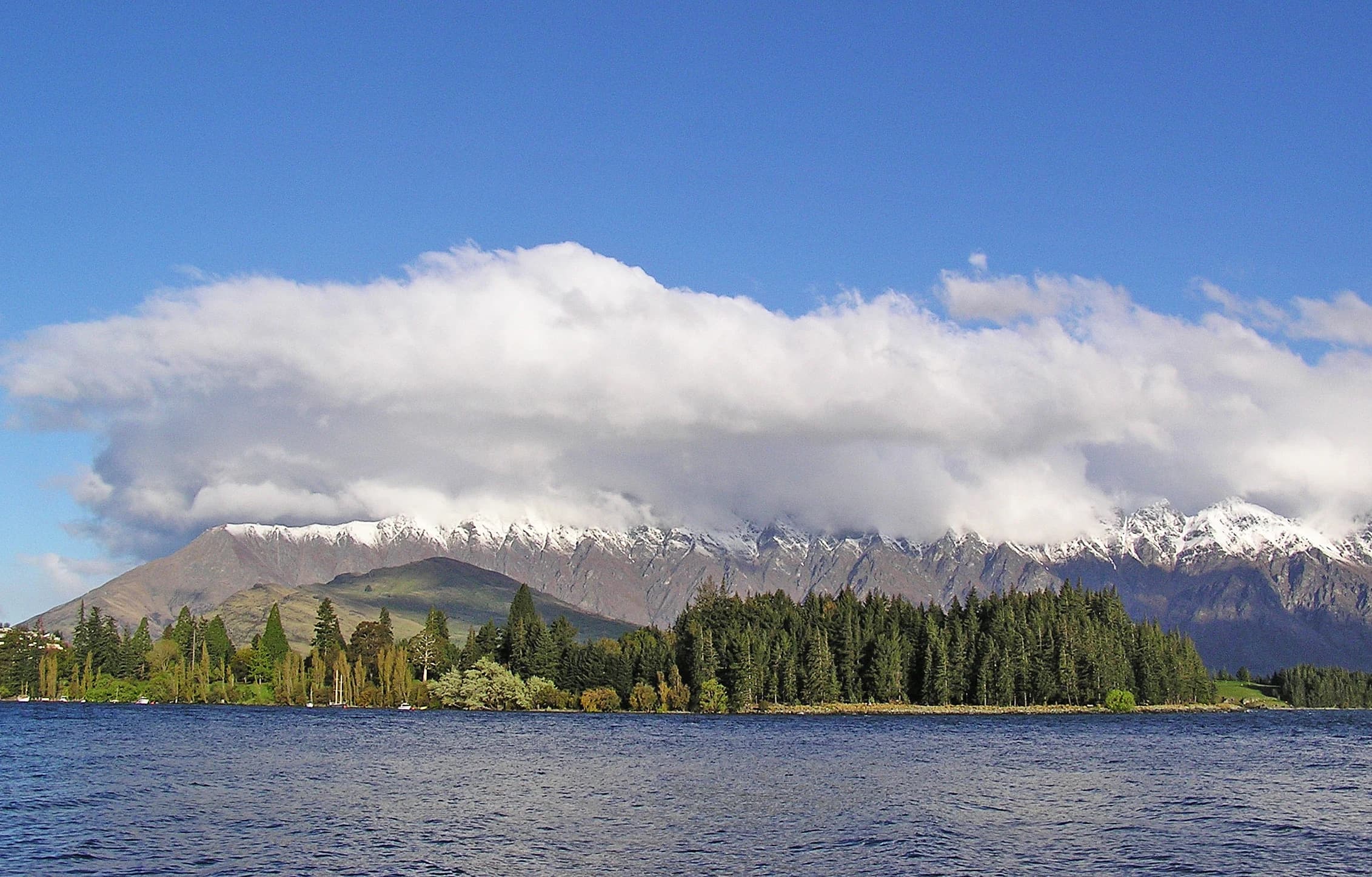
Commercial bungy jumping was invented right here — AJ Hackett's first jump off the Kawarau Bridge in 1988 turned Queenstown into what's now genuinely called the adventure capital of the world, and that same bridge still runs bungy jumps today, largely unchanged since the sport's invention.
See full guide →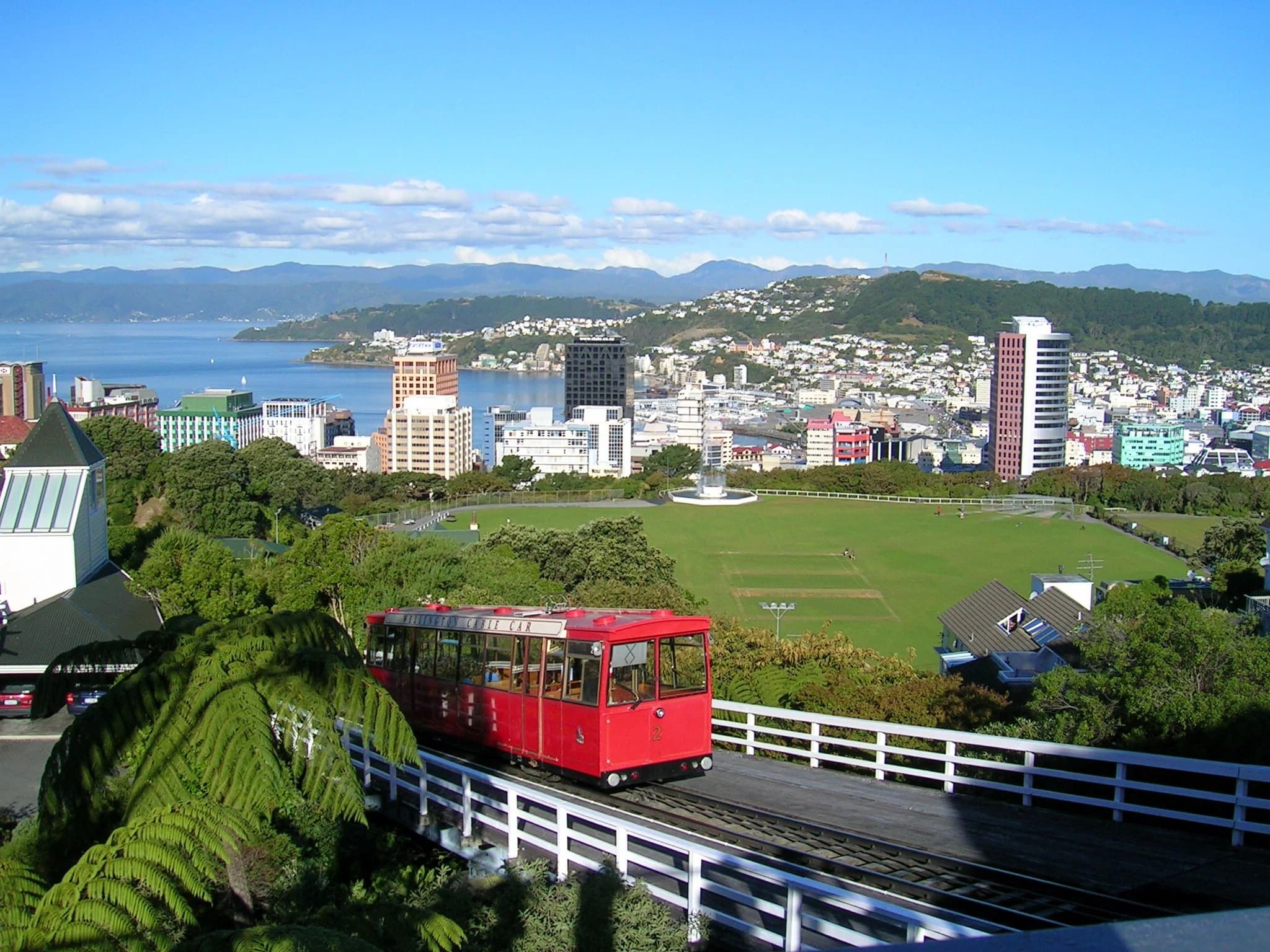 Wellington
Wellington
New Zealand
Wellington, not Auckland, is New Zealand's capital, and the city has leaned so hard into its creative reputation that Lonely Planet once called it 'the coolest little capital in the world' — a title backed up by Peter Jackson's effects studio, Weta Workshop, which turned the city into a genuine film production hub.
See full guide →Comparing more than one route? See the full transport comparison guide.