New Zealand · Oceania
Milford Sound
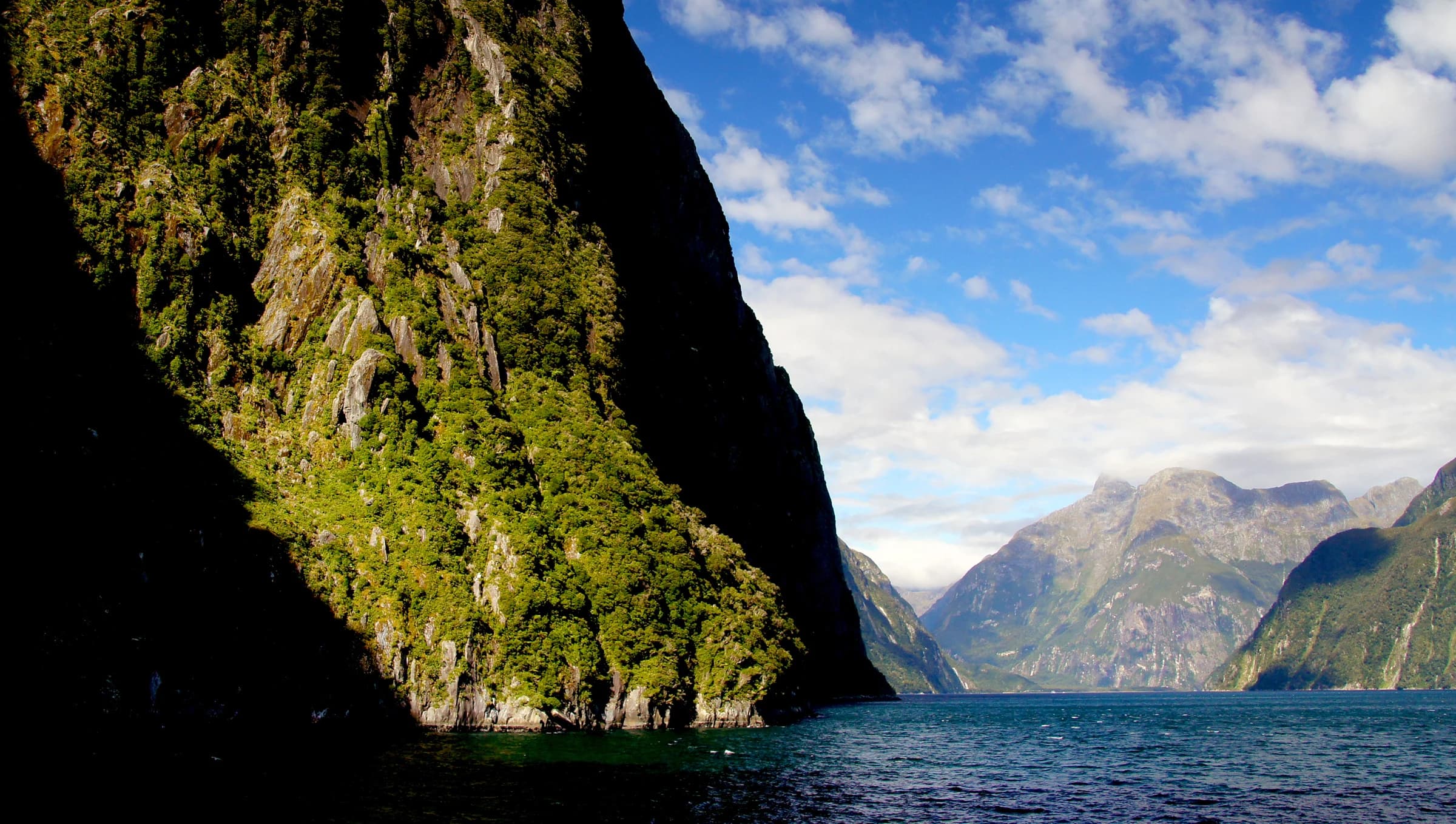
Rudyard Kipling once called Milford Sound the eighth wonder of the world, and he said it about a place that also happens to be one of the wettest inhabited spots in New Zealand — the fiord gets drenched in rain most of the year, and somehow that's part of what makes it look the way it does, waterfalls appearing down sheer cliff faces after every serious downpour.
Rudyard Kipling once called Milford Sound the eighth wonder of the world, a description that's stuck to the fiord ever since, and it's a genuinely fitting one for a place that also happens to be one of the wettest inhabited spots in New Zealand. Rain falls on the majority of days in a typical year here, a result of the fiord's exposure to moisture-heavy westerly winds coming straight off the Tasman Sea.
Rather than diminishing the experience, that rain is part of what makes Milford Sound look the way it does. After a serious downpour, dozens of temporary waterfalls appear cascading down the fiord's sheer rock walls, sometimes doubling or tripling the number of visible waterfalls compared to a dry day, a genuine case of weather actively enhancing rather than spoiling the scenery most visitors came to see.
Technically a fiord rather than a true sound, carved by glacial rather than river erosion, Milford Sound sits within Fiordland National Park, part of the larger Te Wahipounamu UNESCO World Heritage Site covering a huge stretch of southwestern New Zealand's glacially carved landscape. Mitre Peak, rising sharply from the water's edge to over 1,600 meters, anchors most photographs and cruise views of the fiord, its steep, near-symmetrical profile becoming one of New Zealand's most recognized natural landmarks.
Getting there means driving Milford Road, itself widely considered one of New Zealand's most scenic drives, winding through Fiordland's mountains and passing through the Homer Tunnel before descending toward the fiord. There's no real accommodation town directly at Milford Sound, so most visits happen as a long day trip from Queenstown or the smaller town of Te Anau, both a considerable but manageable drive away.
Fiord cruises, typically running two to three hours, give the standard way to see Milford Sound up close, and wildlife sightings, seals resting on rocks near the water's edge, pods of dolphins, and occasionally Fiordland crested penguins, add a genuine wildlife element to what's already one of New Zealand's most dramatic landscape experiences.
What a trip here actually costs
$220 / day avg.
- Day tour from Queenstown including transport
- Standard fiord cruise
- Packed lunch included on the tour
- Milford Road scenic stops
What to do at this tier
- • Standard scenic cruise on Milford Sound, typically two to three hours, spotting seals and waterfalls
- • Milford Road scenic drive stops, including the Homer Tunnel and Mirror Lakes
- • Short walking tracks near the Milford Sound visitor area
$480 / day avg.
- Private transport from Queenstown
- Overnight cruise on the fiord with cabin accommodation
- Kayaking excursion on the fiord
- Scenic flight option over Fiordland
What to do at this tier
- • Overnight cruise on the fiord, staying aboard to see the cliffs in changing light
- • Guided kayaking excursion directly on the fiord's calm water
- • Scenic flight over Fiordland National Park, showing the fiord's full scale from above
These are average estimates for planning purposes, not real-time prices — actual costs vary by season, availability, and how far ahead you book.
How to get there
Click anywhere on the world map — any airport works, not just our main hubs.
Click anywhere on the map above — any airport in the world works — to see estimated travel time and cost from there.
Times and prices are planning estimates, not live fares — always check a booking site before you commit. See the full Transport Comparison guide for the general tradeoffs of each mode.
Best time to visit
December-February brings the most stable weather, though Milford Sound is genuinely visitable year-round and rain, common most of the year, adds dramatic temporary waterfalls rather than ruining the visit.
Safety notes
Very safe for tourists; the Milford Road can close occasionally due to weather or avalanche risk in winter, so check conditions before driving.
Visa & currency
New Zealand dollar (NZD). Most visa-waiver nationalities need a New Zealand Electronic Travel Authority (NZeTA), an online application required since 2019, arranged before arrival.
Questions people ask before visiting
Is Milford Sound worth visiting?
Yes — sheer cliffs rising directly out of the water, waterfalls that appear and multiply after rain, and a genuine chance of spotting seals, dolphins, or penguins on a fiord cruise make it one of New Zealand's most consistently praised natural sights, live up to its reputation even on a rainy day.
Why does Milford Sound get so much rain?
Its position within Fiordland, exposed directly to moisture-laden westerly winds off the Tasman Sea, makes it one of the wettest inhabited places in New Zealand, with rain falling on the majority of days in a typical year. Rather than ruining the experience, heavy rain actually adds dozens of temporary waterfalls cascading down the fiord's sheer rock walls.
How do you get to Milford Sound?
Most visitors drive or join a coach tour from Queenstown or Te Anau along Milford Road, itself considered one of New Zealand's most scenic drives, winding through Fiordland National Park before reaching the fiord. There's no accommodation town directly at Milford Sound itself, so most visits are a long day trip.
How many days do you need at Milford Sound?
A single day is enough for the scenic drive and a fiord cruise, typically two to three hours on the water. Some visitors opt for an overnight cruise instead, staying on the water to catch sunset and sunrise light on the cliffs.
Nearby destinations
 Queenstown
Queenstown
New Zealand
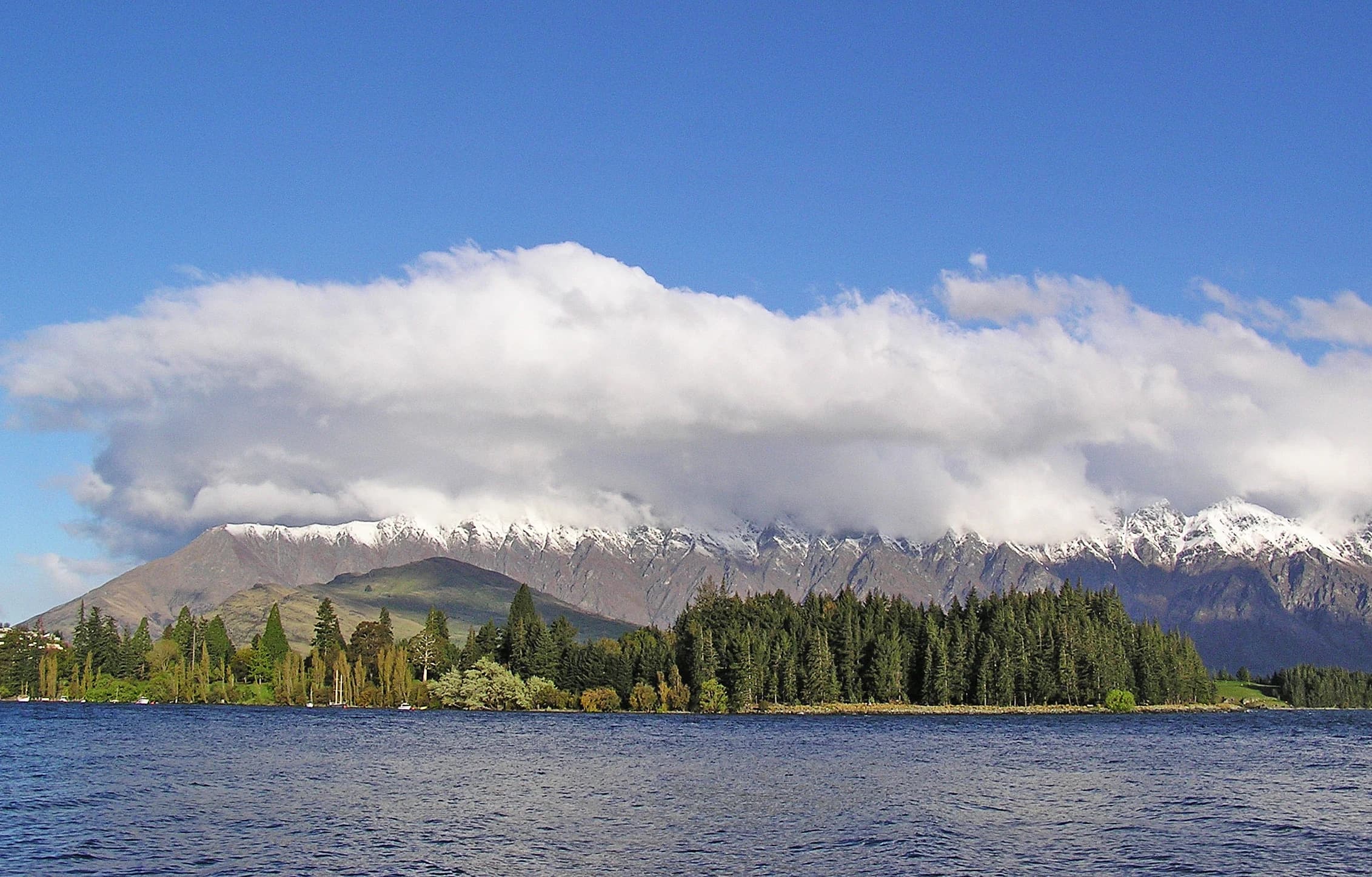
Commercial bungy jumping was invented right here — AJ Hackett's first jump off the Kawarau Bridge in 1988 turned Queenstown into what's now genuinely called the adventure capital of the world, and that same bridge still runs bungy jumps today, largely unchanged since the sport's invention.
See full guide →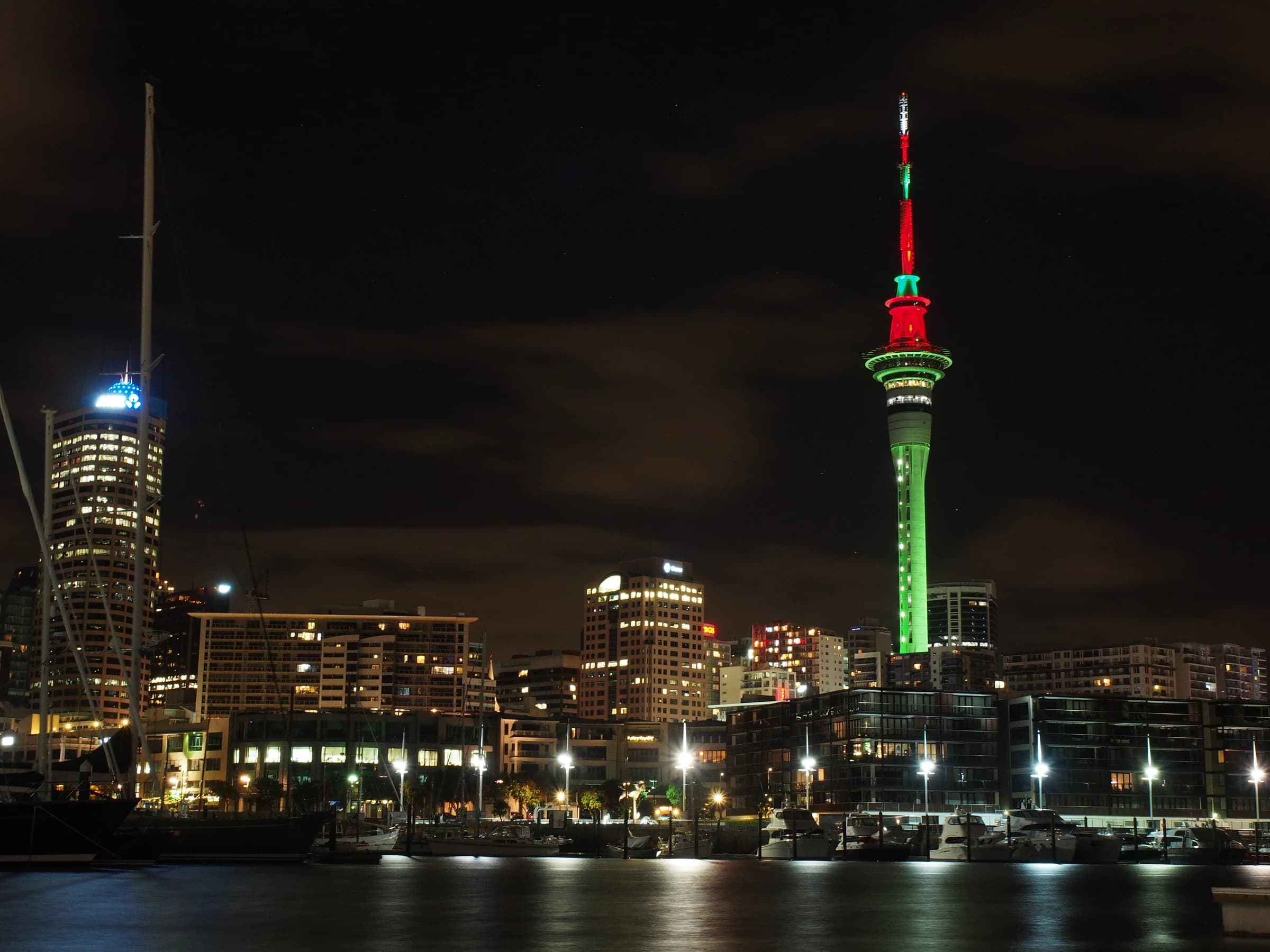 Auckland
Auckland
New Zealand
Auckland is built directly on top of an active volcanic field — around 50 volcanic cones dot the city and its surroundings, and while most are considered dormant rather than truly extinct, a new eruption could theoretically happen almost anywhere within the field, including somewhere that isn't currently a volcano at all.
See full guide →Comparing more than one route? See the full transport comparison guide.