Wallis and Futuna · Oceania
Wallis and Futuna
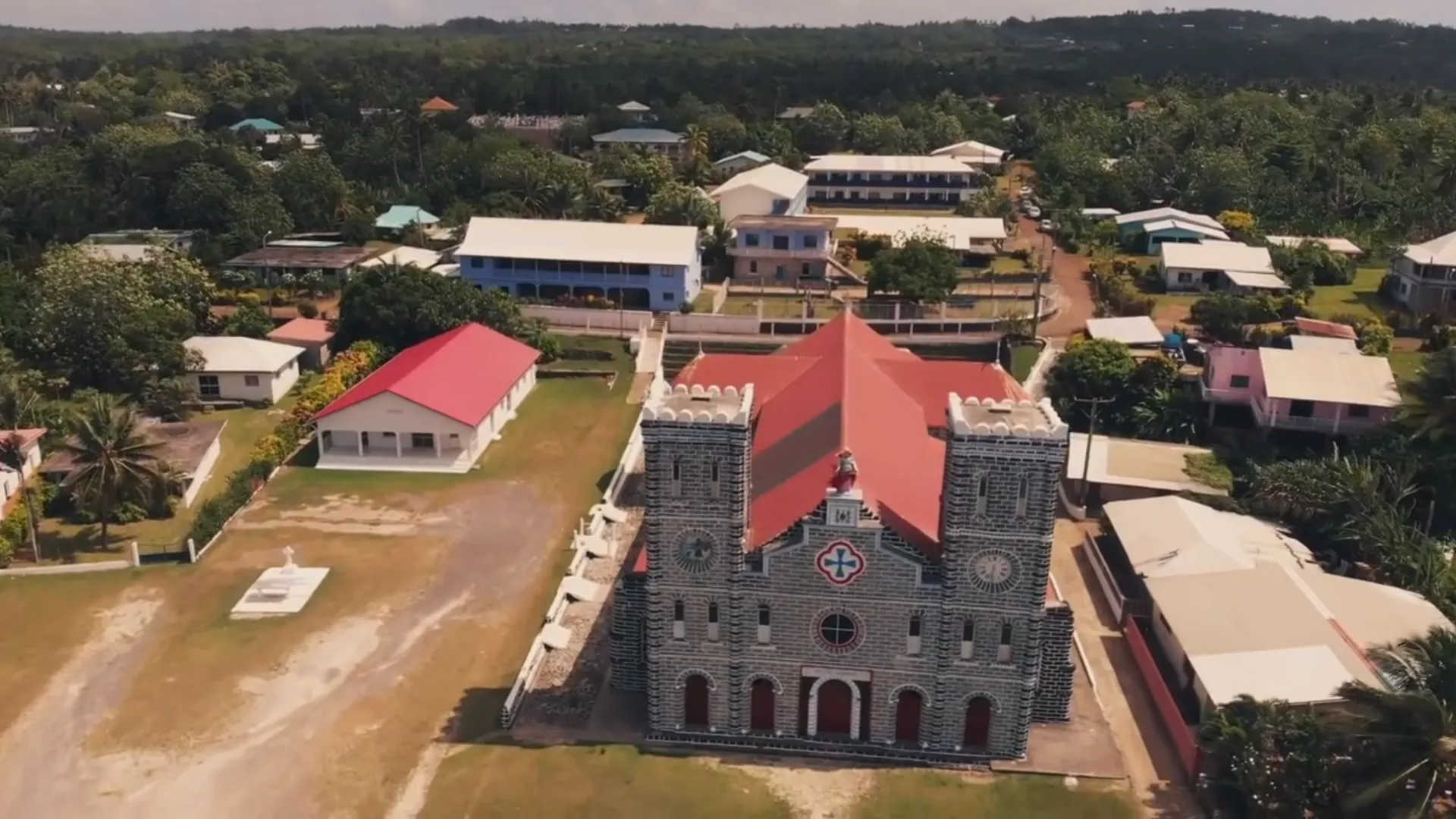
Three traditional Polynesian kings still reign over Wallis and Futuna alongside French territorial administration, a genuinely rare living monarchy system layered inside a modern overseas territory, on two small island groups so rarely visited that they rank among the least-touristed places anywhere on Earth.
Three traditional Polynesian kingdoms, Uvea on Wallis Island, and Sigave and Alo on Futuna, still maintain reigning kings holding genuine customary authority over local affairs, operating alongside French territorial administration in a structure that's genuinely rare anywhere in the world today. That layered governance, formal monarchy and modern overseas territory functioning side by side, shapes daily life and local decision-making in ways visitors from more centrally governed places often find difficult to fully anticipate.
Lalolalo, a star-shaped volcanic crater lake on Wallis Island, ranks among the territory's most recognizable natural landmarks, its distinctive angular shoreline formed by the specific geology of the crater it fills, ringed by steep cliffs and dense vegetation. Viewpoints around its edge offer one of the more striking, if little-photographed, natural sights anywhere in the wider Pacific.
Wallis and Futuna ranks among the least-visited territories anywhere on Earth, a combination of genuine remoteness, limited flight connections running primarily through Nouméa, New Caledonia, or Nadi, Fiji, and minimal international tourism marketing. That obscurity has kept both traditional culture and the islands' natural environment largely undisturbed by the kind of development seen across much of the rest of French Polynesia and the wider Pacific.
The territory's two island groups, Wallis and Futuna, sit roughly 260 kilometers apart, connected by limited local flights rather than any direct daily service, and each maintains a distinct identity despite sharing the same overall French administrative structure, different dialects, different kingdoms, and different specific traditions layered under the same flag.
For travelers genuinely drawn to places that see almost no international tourism, Wallis and Futuna offers a rare, direct encounter with living Polynesian monarchy and a level of untouched remoteness that's become genuinely difficult to find anywhere else in a region increasingly shaped by resort development and cruise ship itineraries.
What a trip here actually costs
$160 / day avg.
- Guesthouse or small hotel
- Local transport by rental car or arranged driver
- Local and French-influenced restaurant meals
- Lalolalo crater lake viewpoint, free
What to do at this tier
- • Lalolalo crater lake viewpoint, free
- • Traditional Wallisian or Futunan village visit, respectful of local customs
- • Snorkeling in the surrounding lagoon
These are average estimates for planning purposes, not real-time prices — actual costs vary by season, availability, and how far ahead you book.
How to get there
Click anywhere on the world map — any airport works, not just our main hubs.
Click anywhere on the map above — any airport in the world works — to see estimated travel time and cost from there.
Times and prices are planning estimates, not live fares — always check a booking site before you commit. See the full Transport Comparison guide for the general tradeoffs of each mode.
Best time to visit
May-October is the drier season; the wet season runs roughly November-April with higher cyclone risk.
Safety notes
Generally safe with very limited tourism infrastructure; flights are infrequent, so book well ahead and build in schedule flexibility.
Visa & currency
CFP franc (XPF), pegged to the euro. Entry requirements generally follow French territory rules, worth confirming based on passport before booking.
Questions people ask before visiting
Is Wallis and Futuna worth visiting?
For travelers seeking somewhere genuinely far outside typical tourism circuits, yes — Wallis and Futuna holds three traditional Polynesian kingdoms still functioning alongside French administration, the star-shaped Lalolalo crater lake, and a level of remoteness that keeps it among the least-visited territories on Earth.
How does Wallis and Futuna's monarchy system work?
Three traditional kingdoms, Uvea on Wallis, and Sigave and Alo on Futuna, each maintain a reigning king who holds real customary authority over local affairs, operating alongside the French territorial government. It's one of the few places in the world where a formal traditional monarchy persists within a modern overseas territory.
How do you get to Wallis and Futuna?
Flights connect Wallis and Futuna primarily through Nouméa, New Caledonia, or Nadi, Fiji, and connections between the two island groups themselves run on limited local flights. Reaching the territory takes genuine advance planning given how few routes serve it.
What is Lalolalo?
A star-shaped volcanic crater lake on Wallis Island, its distinctive angular shoreline visible clearly from above, ringed by steep cliffs and surrounded by dense vegetation, one of the territory's most recognizable natural landmarks.
Nearby destinations
 Nouméa
Nouméa
New Caledonia
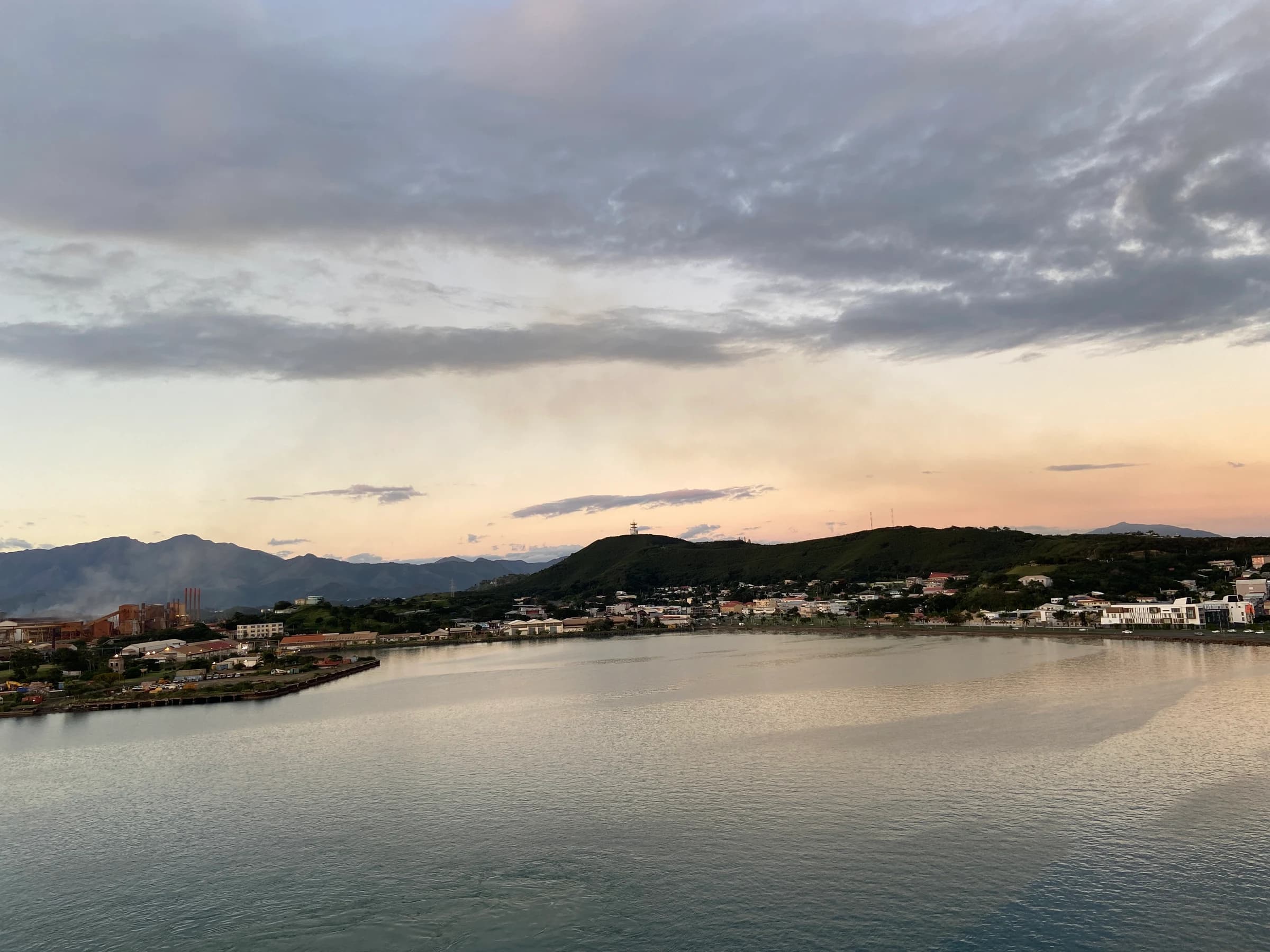
New Caledonia is a full region of France sitting in the South Pacific, and it wraps around the largest lagoon on Earth, a UNESCO World Heritage Site so vast that a genuine barrier reef circles the entire main island — a genuinely strange combination of French bureaucracy and one of the planet's biggest coral ecosystems.
See full guide →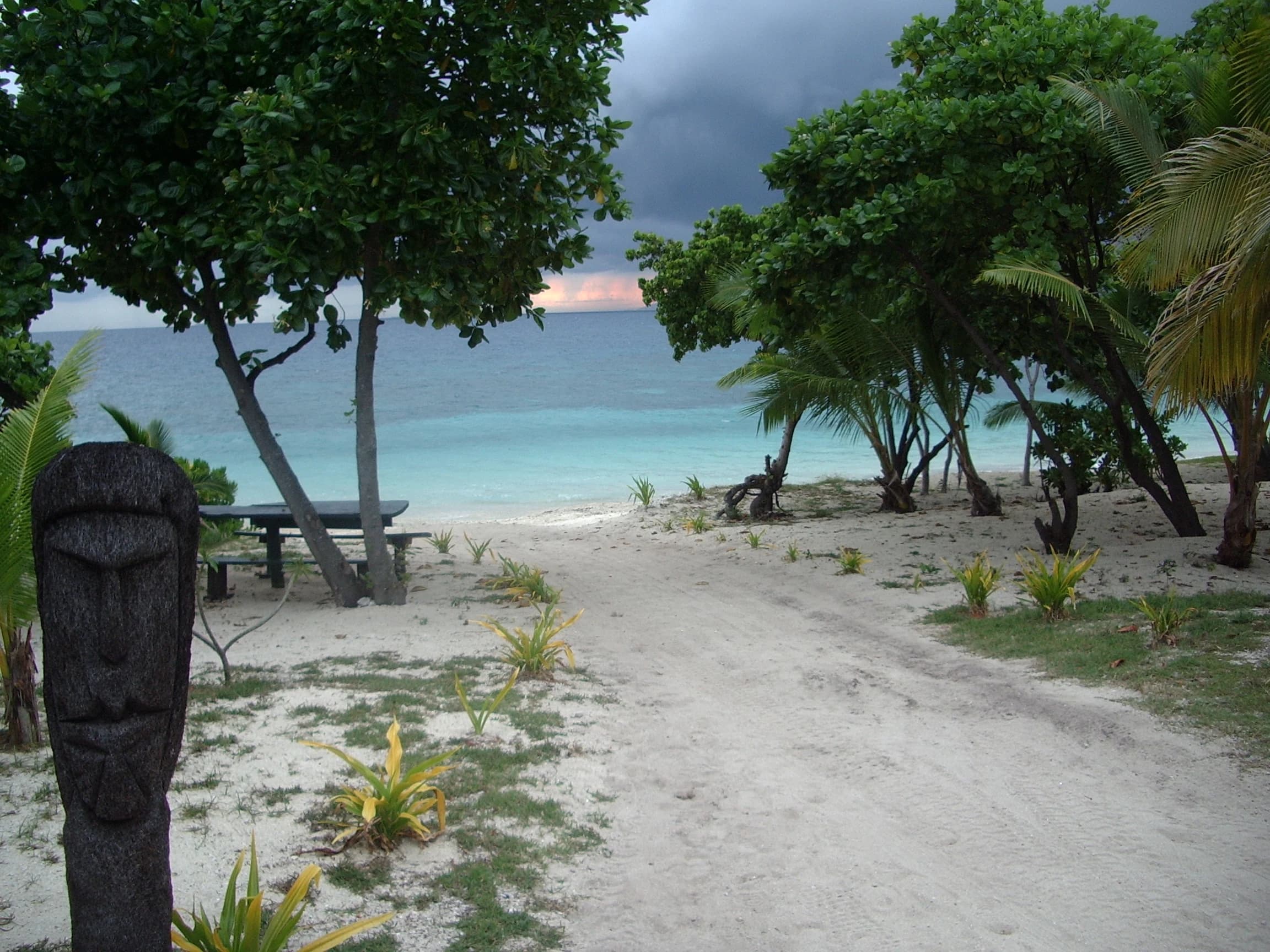 Nadi
NadiNadi
Fiji
Fiji is made up of more than 300 islands, and Nadi, the main international gateway, welcomes nearly every visitor with the same ritual — a kava ceremony, sharing a mildly numbing, earthy drink made from ground pepper root that's held real cultural and social weight in Fijian communities for centuries.
See full guide →Comparing more than one route? See the full transport comparison guide.