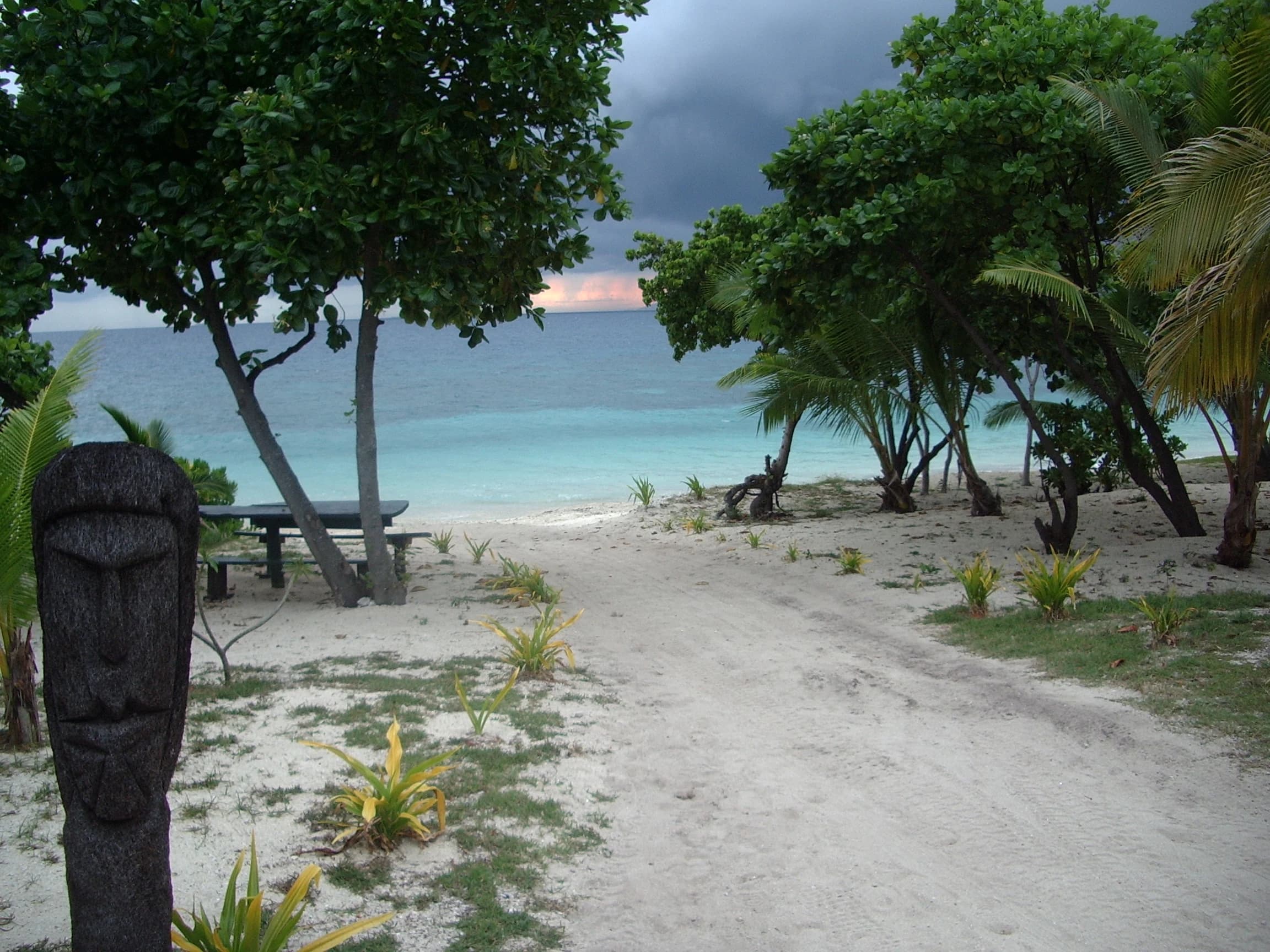
Fiji · Oceania
Nadi
Fiji is made up of more than 300 islands, and Nadi, the main international gateway, welcomes nearly every visitor with the same ritual — a kava ceremony, sharing a mildly numbing, earthy drink made from ground pepper root that's held real cultural and social weight in Fijian communities for centuries.
Fiji comprises more than 300 individual islands, though only around a third are permanently inhabited, and Nadi, on the main island of Viti Levu, functions as the practical entry point nearly every international visitor passes through. It's the location of Fiji's main international airport, and while Nadi itself is a relatively modest town, it serves as the natural staging point for reaching the boat terminals and resort transfers that lead out to Fiji's more famous outer islands.
Nearly every visitor's Fiji experience includes a kava ceremony at some point, a tradition that carries genuine, longstanding social weight rather than existing purely for tourists. Kava, made from the ground root of the pepper plant mixed with water, produces a mildly numbing, earthy drink traditionally shared to welcome guests and mark significant occasions, and Fijian communities have maintained the ceremony's format and etiquette, including specific clapping patterns before and after drinking, largely unchanged for generations.
The Sabeto Hot Springs and mud pools, a short drive from Nadi, give visitors a genuine natural geothermal experience: warm volcanic mud, believed locally to have skin benefits, followed by a soak in naturally heated pools, all set against a backdrop of the Sleeping Giant mountain range that gives the nearby botanical garden its name.
Nadi's produce market, busiest on weekend mornings, gives a direct, unfiltered look at everyday Fijian commerce, stalls piled with tropical fruit, vegetables, and kava root sold by weight, a genuinely different pace and atmosphere from the resort areas most visitors spend the bulk of their trip in.
For most travelers, though, Nadi functions as a short stop rather than the main event, a place to land, adjust, and pick up initial supplies or a kava ceremony experience before heading out to the Mamanuca or Yasawa Islands, where Fiji's clearer water and quieter beaches draw the majority of extended stays.
What a trip here actually costs
$150 / day avg.
- 3-star hotel in Nadi or Denarau
- Sabeto hot springs and mud pool entry
- Casual Fijian meals
- Local market visit
What to do at this tier
- • Sabeto Hot Springs and mud pools, a natural geothermal spot outside Nadi
- • Nadi Produce Market, a large, colorful local market for fruit, vegetables, and kava root
- • Garden of the Sleeping Giant, an orchid garden with walking trails
$380 / day avg.
- 4-5 star resort on Denarau Island
- Day cruise to the Mamanuca Islands
- Multi-course dinners at resort restaurants
- Private kava ceremony and cultural village visit
What to do at this tier
- • Day cruise to the Mamanuca Islands, including snorkeling stops at multiple reefs
- • Private kava ceremony and traditional Fijian village visit
- • Multi-course dinner at a resort restaurant on Denarau Island
These are average estimates for planning purposes, not real-time prices — actual costs vary by season, availability, and how far ahead you book.
How to get there
Click anywhere on the world map — any airport works, not just our main hubs.
Click anywhere on the map above — any airport in the world works — to see estimated travel time and cost from there.
Times and prices are planning estimates, not live fares — always check a booking site before you commit. See the full Transport Comparison guide for the general tradeoffs of each mode.
Best time to visit
May-October is Fiji's dry season and generally the most comfortable; the wetter months (November-April) coincide with the South Pacific cyclone season.
Safety notes
Generally very safe for tourists with standard precautions.
Visa & currency
Fijian dollar (FJD). Many nationalities, including most Western passport holders, can enter visa-free for tourism stays of up to four months.
Questions people ask before visiting
Is Nadi worth visiting?
Yes, primarily as the practical gateway to the rest of Fiji — Nadi itself is a relatively small town, but it sits close to hot springs, a large produce market, and the boat terminals for reaching the outer islands, making it a natural base for the first and last days of a Fiji trip.
What is a kava ceremony?
A traditional Fijian welcome ritual involving sharing kava, a drink made from the ground root of the pepper plant, mixed with water to produce a mildly numbing, earthy beverage. It carries genuine social and ceremonial significance in Fijian communities, traditionally used to welcome guests and mark important occasions.
How many islands does Fiji have?
Fiji comprises more than 300 islands, though only around a third are permanently inhabited. The two largest, Viti Levu (where Nadi is located) and Vanua Levu, hold the vast majority of the population, while many smaller islands function primarily as resort destinations or remain largely undeveloped.
How many days do you need in Nadi?
One to two days covers Nadi itself, including the Sabeto mud pools and hot springs. Most visitors use Nadi as a short stop before continuing to one of Fiji's outer island resort areas, like the Mamanuca or Yasawa Islands, for the bulk of their trip.
Nearby destinations
 Bora Bora
Bora Bora
French Polynesia
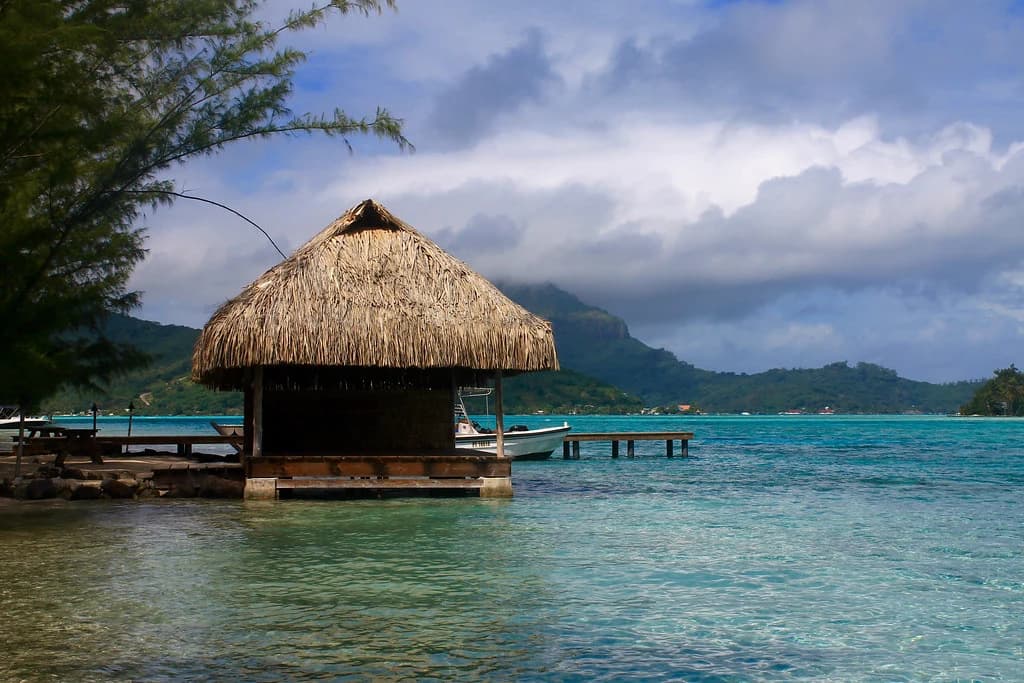
The overwater bungalow, now a fixture of tropical resort marketing worldwide, was invented in French Polynesia in the 1960s by a small group of American expats who couldn't afford proper hotel land — Bora Bora simply perfected the idea, building it directly around a lagoon so clear the concept barely needed the marketing push it eventually got.
See full guide →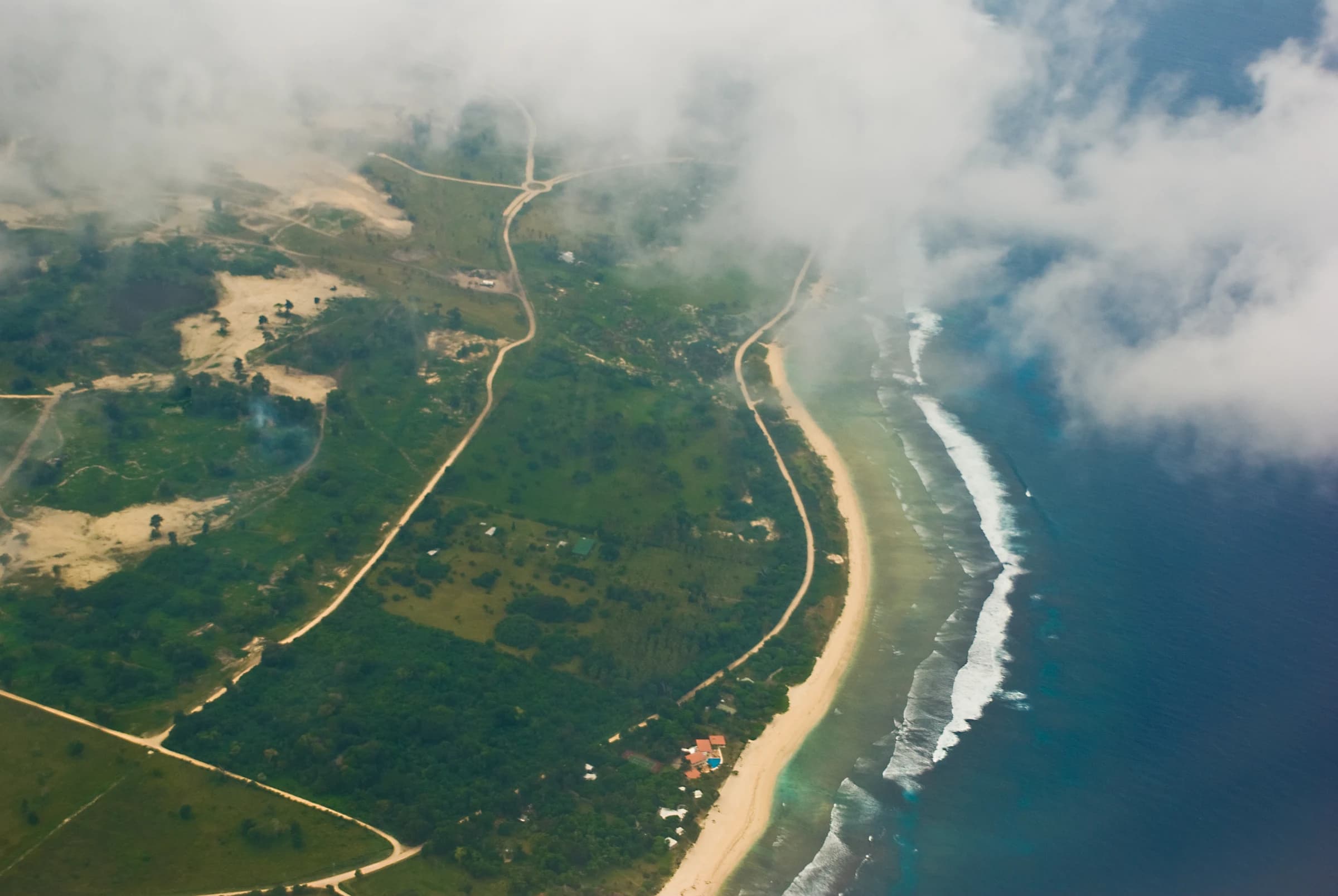 Port Vila
Port Vila
Vanuatu
Long before AJ Hackett turned bungy jumping into a global industry from a bridge near Queenstown, people on Vanuatu's Pentecost Island were diving off wooden towers with vines tied to their ankles — land diving, still practiced today, is widely considered the direct ancestor of modern bungy jumping, performed here for centuries before anyone thought to franchise it.
See full guide →Comparing more than one route? See the full transport comparison guide.