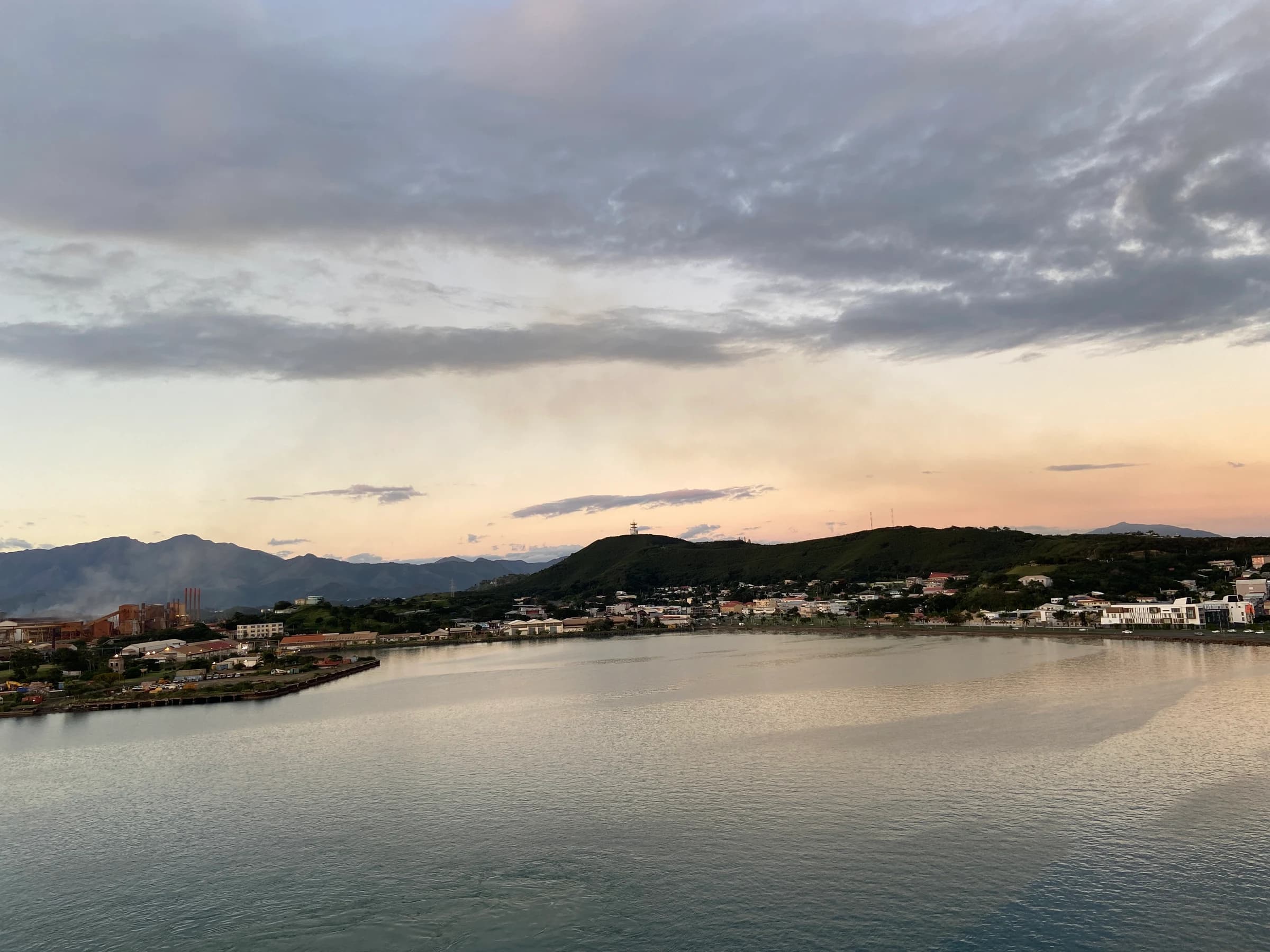
New Caledonia · Oceania
Nouméa
New Caledonia is a full region of France sitting in the South Pacific, and it wraps around the largest lagoon on Earth, a UNESCO World Heritage Site so vast that a genuine barrier reef circles the entire main island — a genuinely strange combination of French bureaucracy and one of the planet's biggest coral ecosystems.
New Caledonia sits genuinely far from mainland France, a full French collectivity in the South Pacific with its own distinct political status, using the CFP franc and holding significant local autonomy while remaining formally part of the French Republic. That governmental arrangement produces a genuinely unusual cultural mix in Nouméa, the capital: French bureaucracy, cuisine, and language layered directly over a Pacific island setting and a significant indigenous Kanak population and culture.
New Caledonia's lagoon, wrapping around the main island and its surrounding reef system, is recognized by UNESCO as the largest lagoon in the world, a designation reflecting both its sheer scale and the exceptional coral reef biodiversity it protects. The lagoon's barrier reef, one of the longest continuous reef systems on Earth, gives Nouméa direct access to snorkeling and diving conditions that rival more famous reef destinations elsewhere in the Pacific, with considerably less international tourist traffic.
The Tjibaou Cultural Centre, designed by the internationally renowned Italian architect Renzo Piano and completed in 1998, stands as New Caledonia's most significant cultural institution, built specifically to honor and present Kanak culture, the indigenous Melanesian heritage of the islands. The building's distinctive shell-like structures were directly inspired by traditional Kanak architectural forms, and the center hosts ongoing exhibitions and performances rather than functioning as a purely historical museum.
New Caledonia's political status remains a genuinely active, ongoing conversation, with multiple independence referendums held in recent years producing contested results and periodic tensions between pro-independence and pro-France factions. Visitors should check current conditions before traveling, though Nouméa itself typically remains calm and safe for tourism even during periods of broader political discussion.
The Isle of Pines, a short flight or boat trip from Nouméa, gives visitors a genuinely different, quieter island experience, named for its distinctive tall native pine trees and known for some of the clearest water even within New Caledonia's already exceptional lagoon system, a common extension for visitors with time beyond the capital itself.
What a trip here actually costs
$170 / day avg.
- 3-star hotel in central Nouméa
- Tjibaou Cultural Centre entry
- Lagoon snorkeling day trip
- Casual French-Pacific dinners
What to do at this tier
- • Tjibaou Cultural Centre, covering Kanak history and culture in Renzo Piano-designed architecture
- • Lagoon snorkeling day trip, exploring part of the world's largest lagoon system
- • Nouméa's central market and Coconut Square waterfront wander
$400 / day avg.
- 4-5 star beachfront resort
- Private boat charter around the lagoon
- Day trip to the Isle of Pines
- Multi-course dinners at top Nouméa restaurants
What to do at this tier
- • Private boat charter exploring the lagoon's outer reef and islets
- • Day trip to the Isle of Pines, known for its distinctive pine trees and clear water
- • Multi-course dinner blending French technique with Pacific ingredients
These are average estimates for planning purposes, not real-time prices — actual costs vary by season, availability, and how far ahead you book.
How to get there
Click anywhere on the world map — any airport works, not just our main hubs.
Click anywhere on the map above — any airport in the world works — to see estimated travel time and cost from there.
Times and prices are planning estimates, not live fares — always check a booking site before you commit. See the full Transport Comparison guide for the general tradeoffs of each mode.
Best time to visit
May-November avoids the cyclone season and brings the most comfortable, drier weather.
Safety notes
Generally safe for tourists in Nouméa with standard precautions; check current conditions given periodic political tensions related to New Caledonia's ongoing independence debate.
Visa & currency
CFP franc (XPF), pegged to the euro given New Caledonia's status as part of France. Visa requirements generally follow French entry rules, though many nationalities can enter for short tourism stays without a visa.
Questions people ask before visiting
Is Nouméa worth visiting?
Yes — New Caledonia's lagoon, the largest in the world and UNESCO-listed, gives Nouméa genuinely exceptional access to reef and lagoon water, and the territory's status as part of France adds a distinct European-Pacific cultural blend not found elsewhere in the region.
Is New Caledonia part of France?
Yes — New Caledonia is a sui generis French collectivity with a special, evolving political status, using the CFP franc and sending representatives to the French parliament, while also holding significant local autonomy and an active, ongoing political conversation about independence.
What is the Tjibaou Cultural Centre?
A major cultural institution in Nouméa dedicated to Kanak, New Caledonia's indigenous Melanesian culture, designed by renowned Italian architect Renzo Piano. Its distinctive shell-like structures were inspired by traditional Kanak architecture, and the center hosts exhibitions, performances, and cultural programming.
How many days do you need in Nouméa?
Three to four days covers central Nouméa, the Tjibaou Cultural Centre, and at least one lagoon or island excursion. New Caledonia's remote outer islands and the Isle of Pines reward a longer stay for visitors with extra time.
Nearby destinations
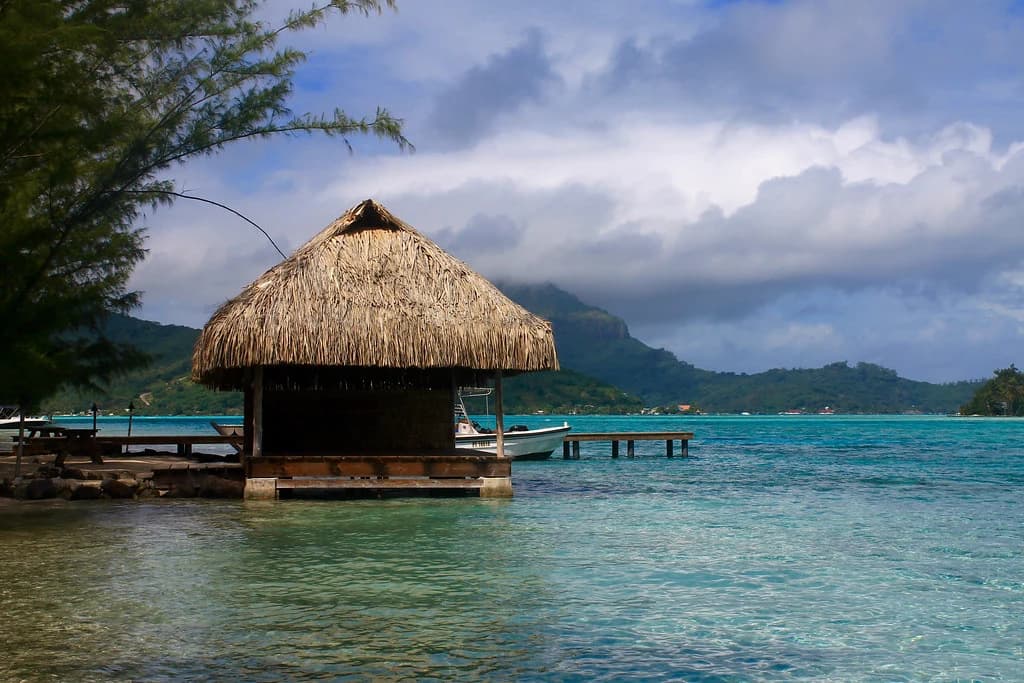 Bora Bora
Bora Bora
French Polynesia
The overwater bungalow, now a fixture of tropical resort marketing worldwide, was invented in French Polynesia in the 1960s by a small group of American expats who couldn't afford proper hotel land — Bora Bora simply perfected the idea, building it directly around a lagoon so clear the concept barely needed the marketing push it eventually got.
See full guide →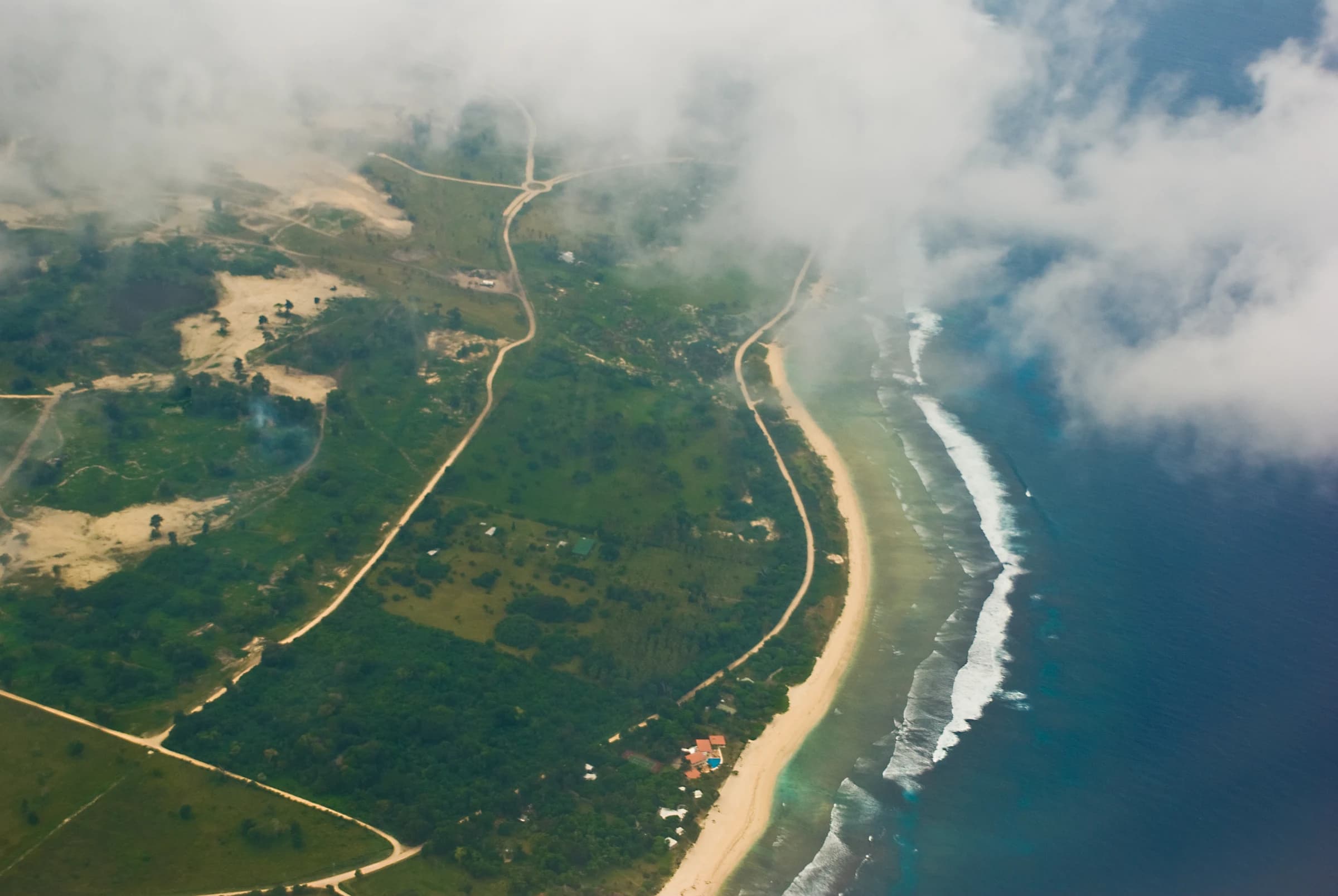 Port Vila
Port Vila
Vanuatu
Long before AJ Hackett turned bungy jumping into a global industry from a bridge near Queenstown, people on Vanuatu's Pentecost Island were diving off wooden towers with vines tied to their ankles — land diving, still practiced today, is widely considered the direct ancestor of modern bungy jumping, performed here for centuries before anyone thought to franchise it.
See full guide →Comparing more than one route? See the full transport comparison guide.