Fiji · Oceania
Suva
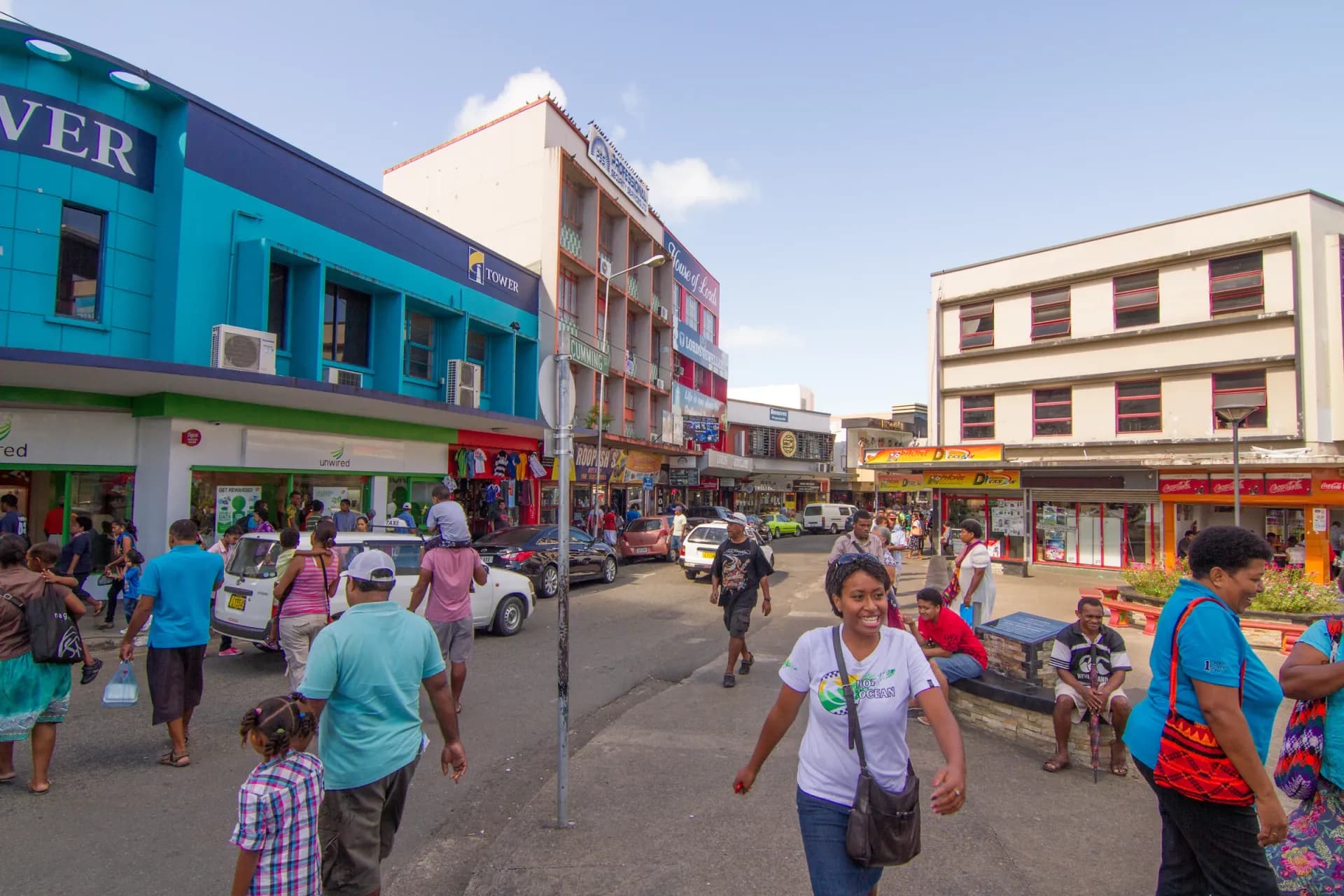
Suva is widely considered the wettest major city in the South Pacific, and rather than fight that reputation, the capital has grown into it, hosting the main campus of the University of the South Pacific, a regional university serving twelve Pacific Island nations, and a genuinely multicultural population that most visiting Fiji's resort islands never actually see.
Suva holds a reputation as the wettest major city in the South Pacific, its position on the wetter, windward side of Viti Levu, Fiji's main island, drawing significantly more rainfall than the drier resort areas around Nadi on the island's other coast. Rather than something the city downplays, that lush, rain-fed environment has shaped Suva into a genuinely green, tropical capital, with gardens and surrounding rainforest that reflect the climate directly.
The Fiji Museum, located within Suva's Thurston Gardens, holds one of the most significant collections of Fijian historical artifacts anywhere, including relics from Fiji's pre-colonial and early colonial periods, among them objects tied to the country's documented history of cannibalism, presented with historical context rather than sensationalism. It remains one of the most substantive cultural institutions in the wider Pacific region.
Suva's population reflects a genuinely multicultural mix that visitors to Fiji's resort islands rarely encounter directly, Indigenous Fijian communities alongside a significant Indo-Fijian population descended from indentured laborers brought by British colonial administrators starting in 1879 to work the country's sugar plantations. That history shows up in the city's religious architecture, Hindu temples and mosques standing alongside churches, and in a food scene blending Indigenous Fijian and Indian culinary traditions.
The University of the South Pacific, jointly owned and operated by twelve Pacific Island nations, holds its main campus in Suva, making the city a genuine regional hub for higher education and cross-Pacific cooperation, a role quite different from the beach-resort image most international visitors associate with Fiji.
Colonial-era architecture, including government buildings and churches built during British administration, gives central Suva a visual character distinct from the more modern resort development found elsewhere in the country, and walking through the city center offers a clearer sense of Fiji's actual governmental and economic center than any stop on a typical island-hopping itinerary.
What a trip here actually costs
$35 / day avg.
- Budget hotel or guesthouse
- Local bus transport
- Local and Indo-Fijian restaurant meals
- Fiji Museum, low entry fee
What to do at this tier
- • Fiji Museum, low entry fee
- • Suva Municipal Market, free to browse
- • Thurston Gardens, free
$90 / day avg.
- 3-star hotel
- Guided city and colonial architecture tour
- University of the South Pacific campus visit
- Sit-down restaurant dinners
What to do at this tier
- • Guided colonial architecture and city history tour
- • University of the South Pacific campus visit
- • Indo-Fijian and Indigenous Fijian food tour
These are average estimates for planning purposes, not real-time prices — actual costs vary by season, availability, and how far ahead you book.
How to get there
Click anywhere on the world map — any airport works, not just our main hubs.
Click anywhere on the map above — any airport in the world works — to see estimated travel time and cost from there.
Times and prices are planning estimates, not live fares — always check a booking site before you commit. See the full Transport Comparison guide for the general tradeoffs of each mode.
Best time to visit
May-October is the drier season, though Suva remains genuinely wet year-round compared to Fiji's resort islands; the wet season runs roughly November-April with higher rainfall and cyclone risk.
Safety notes
Generally safe with standard city precautions; Suva has a more genuine urban character than Fiji's resort areas, so normal city awareness applies.
Visa & currency
Fijian dollar (FJD). Many nationalities can enter visa-free for tourism, worth confirming based on passport before booking.
Questions people ask before visiting
Is Suva worth visiting?
Yes for travelers wanting to see beyond Fiji's resort islands — Suva holds the Fiji Museum's significant historical collection, colonial-era architecture, a genuinely multicultural population reflecting both Indigenous Fijian and Indo-Fijian communities, and the main campus of the University of the South Pacific.
Why is Suva so different from Nadi or the Mamanuca Islands?
Suva functions as Fiji's working capital and largest city, with a genuine urban, multicultural character shaped by government, business, and education, while Nadi and the surrounding islands are built primarily around international tourism and resort infrastructure.
What is the University of the South Pacific?
A regional university jointly owned and operated by twelve Pacific Island countries, with its main campus in Suva. It serves as a major hub for higher education and regional cooperation across the South Pacific.
Why does Suva have such a large Indo-Fijian population?
British colonial administrators brought indentured laborers from India starting in 1879 to work Fiji's sugar plantations, and their descendants make up a significant share of Fiji's population today, contributing to Suva's distinctly multicultural character, visible in its temples, mosques, and food.
Nearby destinations
 Nadi
NadiNadi
Fiji
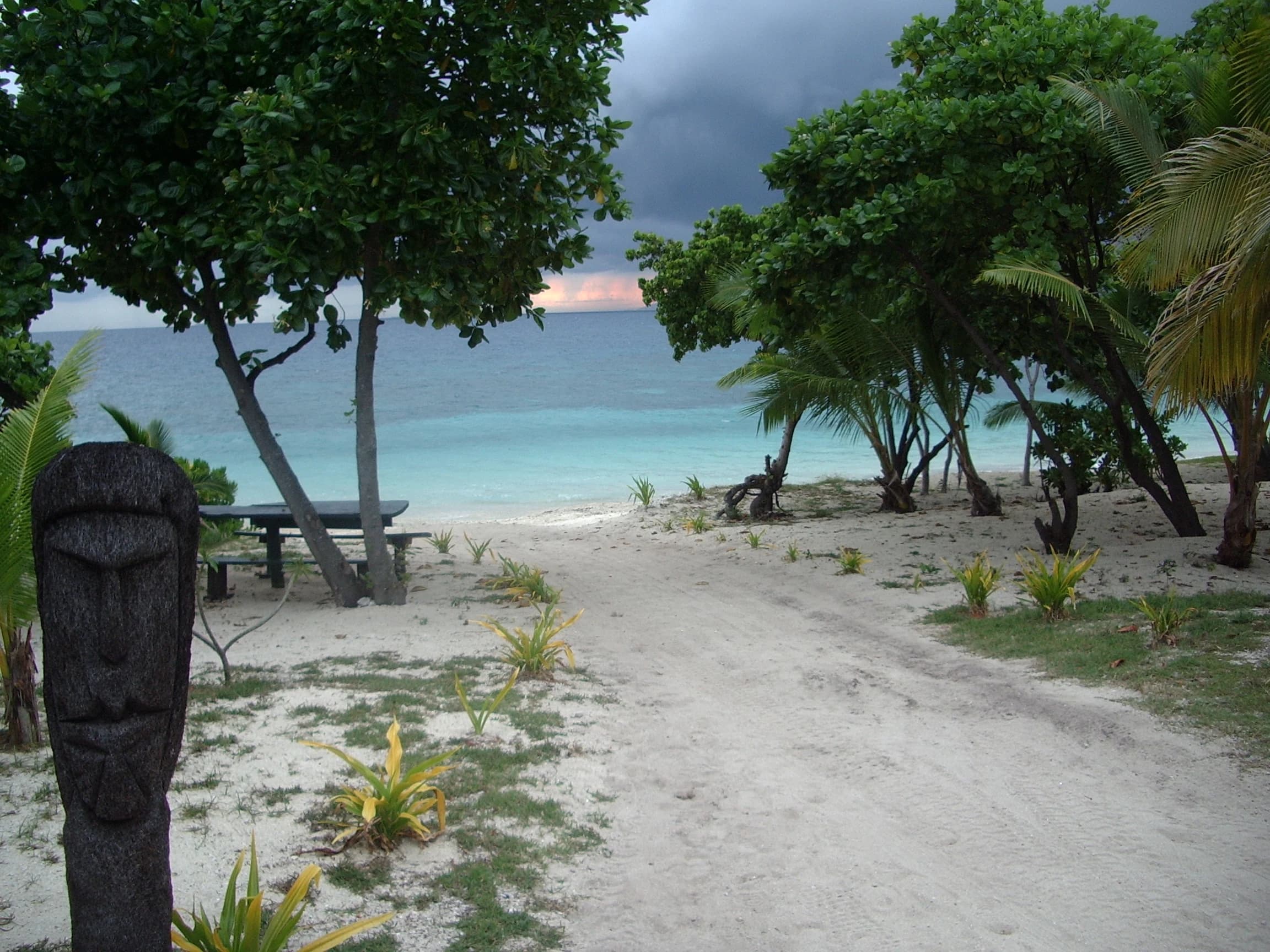
Fiji is made up of more than 300 islands, and Nadi, the main international gateway, welcomes nearly every visitor with the same ritual — a kava ceremony, sharing a mildly numbing, earthy drink made from ground pepper root that's held real cultural and social weight in Fijian communities for centuries.
See full guide →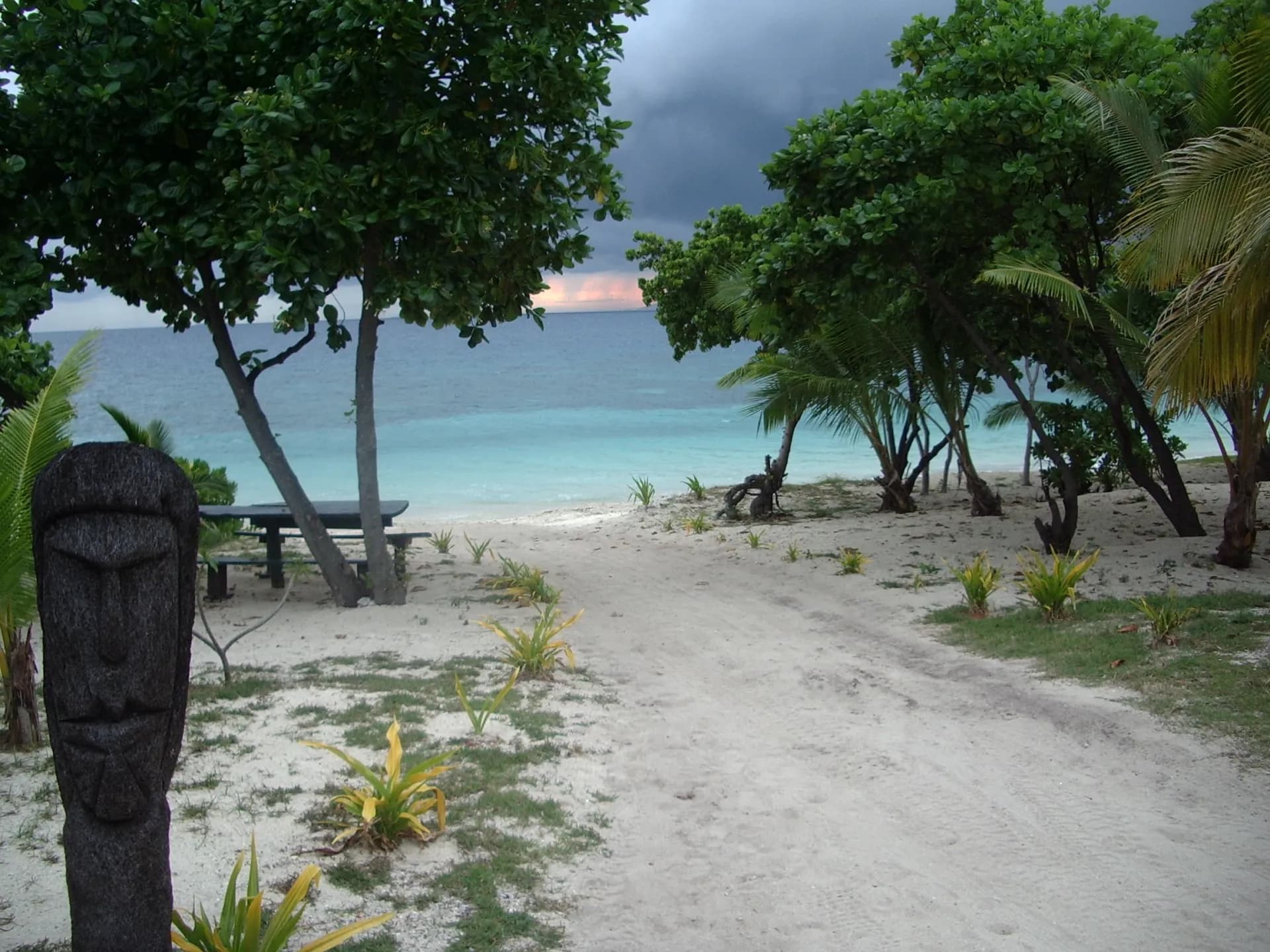 Mamanuca Islands
Mamanuca Islands
Fiji
Tom Hanks spent months stranded on Monuriki Island for "Cast Away," and the tiny uninhabited islet is just one of roughly twenty that make up the Mamanuca Islands, a chain close enough to Nadi's airport for a day trip, yet scattered enough to hold quiet resort islands, surf breaks, and postcard sandbars all within the same short boat ride.
See full guide →Comparing more than one route? See the full transport comparison guide.