Cook Islands · Oceania
Rarotonga
The Cook Islands have no traffic lights on their main island, and Rarotonga's single coastal road circles the entire place in about 32 kilometers — a country self-governing in free association with New Zealand, small and slow-paced enough that most visitors genuinely lose track of what day it is by the third afternoon.
The Cook Islands have no traffic lights, and Rarotonga, the main and most populous island, gets by entirely on a single coastal road that circles the whole place in roughly 32 kilometers. That physical compactness sets the tone for the entire country: small, unhurried, and genuinely easy to explore independently without needing much in the way of complex logistics or planning.
The Cook Islands are a self-governing state in free association with New Zealand, an arrangement that gives the country full control over its own domestic and foreign affairs while Cook Islanders hold New Zealand citizenship, a relationship that grants residents genuine mobility between the two countries in a way most Pacific island nations don't share with any larger partner state. The New Zealand dollar circulates as currency, supplemented by locally minted Cook Islands dollar coins usable only within the country.
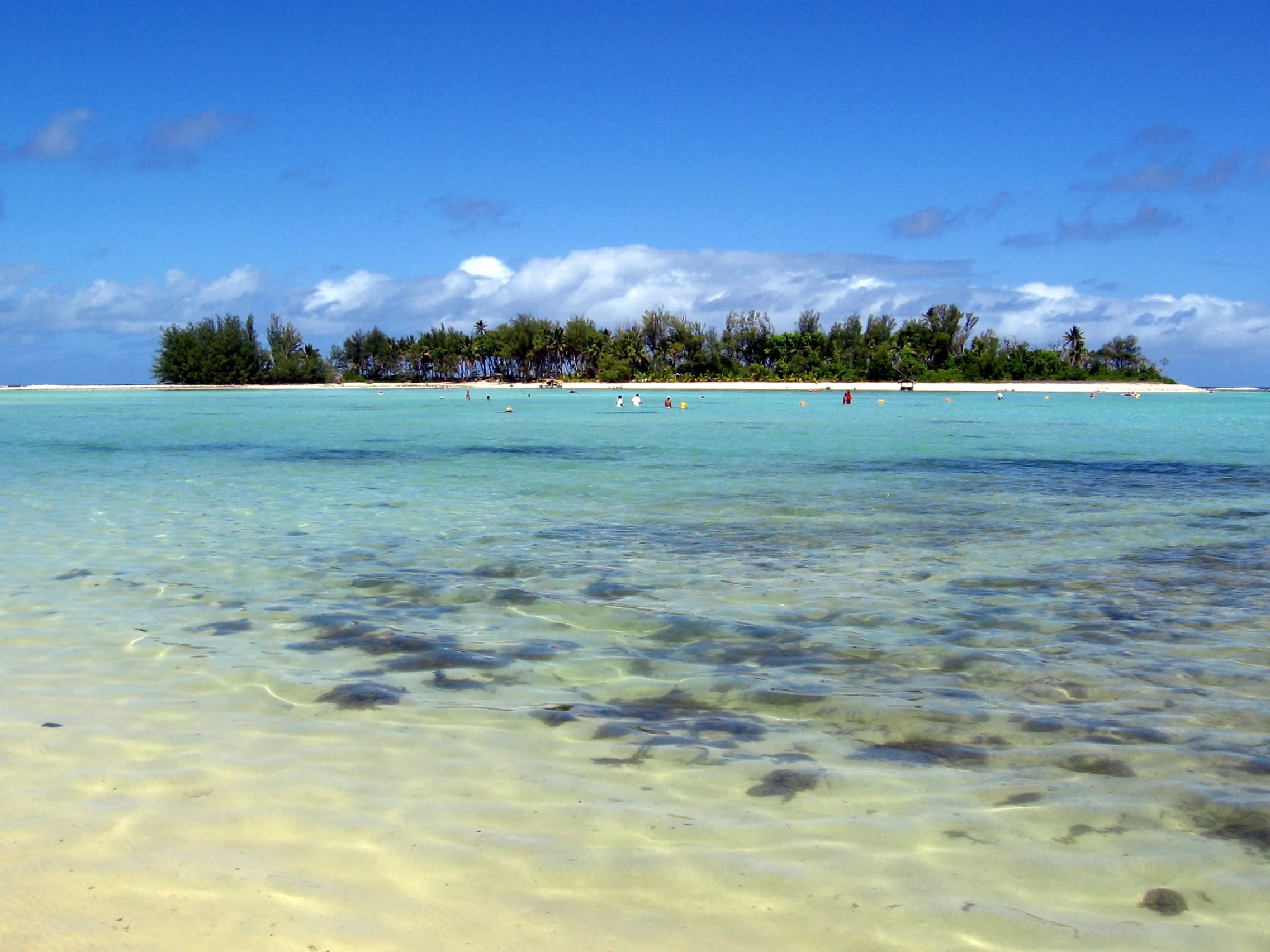
Muri Lagoon, on Rarotonga's southeast coast, ranks among the most photographed lagoons anywhere in the South Pacific, its shallow, exceptionally clear water dotted with small motu, sandy islets just offshore reachable by kayak or a short swim. The lagoon has become the island's default answer for swimming, snorkeling, and simply spending an unhurried afternoon in the water.
Rarotonga's interior, in contrast to its developed coastal ring, remains genuinely mountainous and largely covered in rainforest, and guided cross-island treks give visitors access to a considerably wilder side of the island than the beaches alone suggest, climbing through jungle terrain toward peaks with views back down over the coastal lagoon.
Compared to more internationally famous Pacific destinations like Bora Bora, Rarotonga has stayed genuinely smaller-scale and less developed, without the same density of luxury overwater bungalow resorts, a difference that keeps prices somewhat more accessible while still delivering comparably striking lagoon scenery.
What a trip here actually costs
$180 / day avg.
- 3-star beachfront accommodation
- Scooter or bicycle rental for the island's coastal road
- Casual meals at local cafes
- Muri Lagoon kayaking or snorkeling gear
What to do at this tier
- • Muri Lagoon swimming, snorkeling, and kayaking to the nearby motu islets
- • Scooter or bicycle circuit of Rarotonga's single 32-kilometer coastal road
- • Punanga Nui Market in Avarua, the main town, for produce and local crafts
$420 / day avg.
- 4-5 star beachfront resort
- Private lagoon cruise with a picnic stop on a motu
- Multi-course dinners at top Rarotonga restaurants
- Guided inland cross-island trek
What to do at this tier
- • Private lagoon cruise with a stop for a picnic on one of Muri's motu
- • Guided cross-island trek through Rarotonga's mountainous, rainforest-covered interior
- • Multi-course dinner at a leading beachfront resort restaurant
These are average estimates for planning purposes, not real-time prices — actual costs vary by season, availability, and how far ahead you book.
How to get there
Click anywhere on the world map — any airport works, not just our main hubs.
Click anywhere on the map above — any airport in the world works — to see estimated travel time and cost from there.
Times and prices are planning estimates, not live fares — always check a booking site before you commit. See the full Transport Comparison guide for the general tradeoffs of each mode.
Best time to visit
May-October is the Cook Islands' dry season, bringing the most comfortable temperatures and calmest lagoon conditions.
Safety notes
Very safe overall, among the more relaxed and low-crime destinations covered in this guide, with standard precautions around water activities.
Visa & currency
New Zealand dollar (NZD), alongside local Cook Islands dollar coins accepted only within the country. Most nationalities, including Western passport holders, can enter visa-free for tourism stays of up to 31 days or longer.
Questions people ask before visiting
Is Rarotonga worth visiting?
Yes — Muri Lagoon's turquoise water and small motu islands rival more famous Pacific lagoons, and Rarotonga's compact size and genuinely relaxed pace, with no traffic lights and a single road circling the whole island, make it an easy, low-stress destination to explore independently.
What is the relationship between the Cook Islands and New Zealand?
The Cook Islands are a self-governing state in free association with New Zealand, meaning the country runs its own domestic and foreign affairs while Cook Islanders hold New Zealand citizenship. The New Zealand dollar is the currency, alongside local Cook Islands dollar coins, and the relationship gives residents genuine mobility between the two countries.
What is Muri Lagoon?
A shallow, exceptionally clear lagoon on Rarotonga's southeast coast, dotted with small motu (islets) just offshore. It's the island's most popular spot for swimming, snorkeling, and kayaking, and consistently ranks among the most photographed lagoons in the South Pacific.
How many days do you need in Rarotonga?
Five to seven days allows real time to circle the island, snorkel Muri Lagoon, and relax at a genuinely unhurried pace, which is largely the point of visiting. Rarotonga rewards slow travel more than a rushed itinerary.
Nearby destinations
 Bora Bora
Bora Bora
French Polynesia
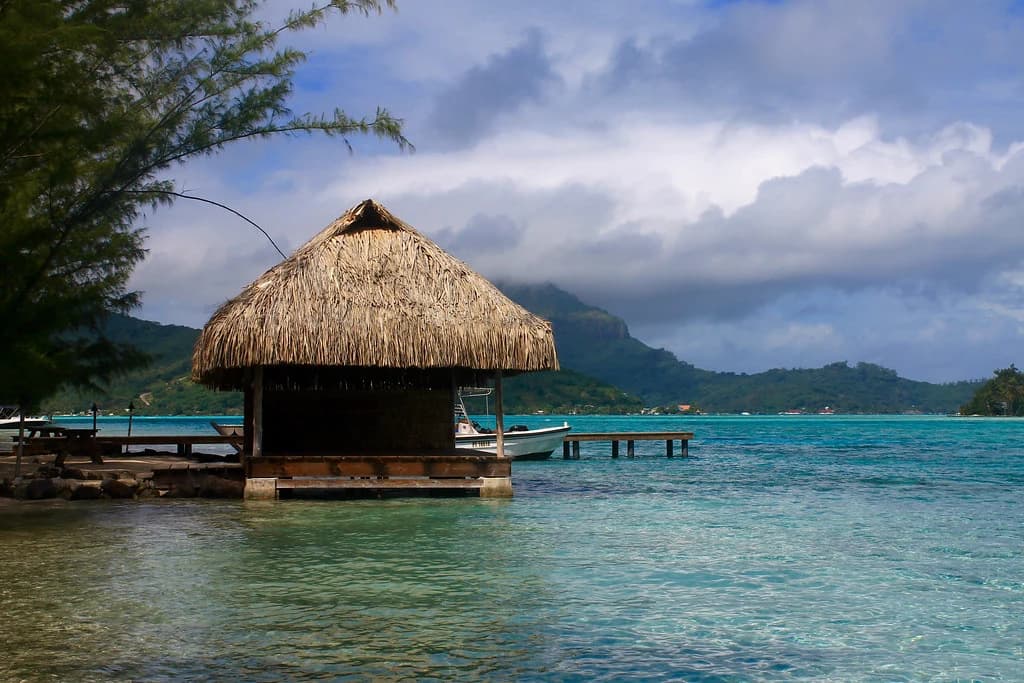
The overwater bungalow, now a fixture of tropical resort marketing worldwide, was invented in French Polynesia in the 1960s by a small group of American expats who couldn't afford proper hotel land — Bora Bora simply perfected the idea, building it directly around a lagoon so clear the concept barely needed the marketing push it eventually got.
See full guide →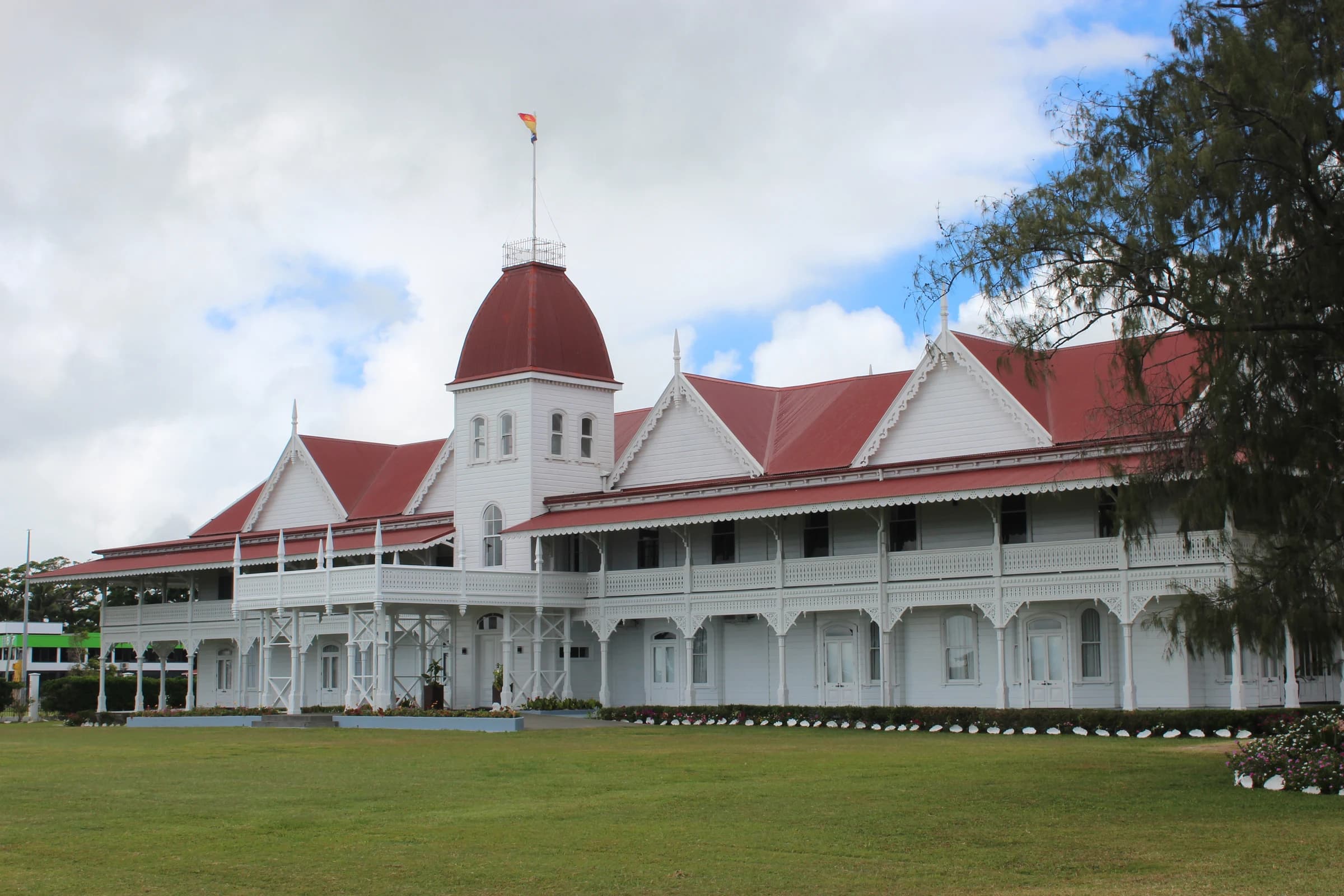 Nuku'alofa
Nuku'alofa
Tonga
Tonga is the only Pacific nation that was never formally colonized by a European power, and it remains Polynesia's last monarchy today — that unbroken sovereignty extends into the water too, where Tonga is one of only a handful of places on Earth where swimming directly with wild humpback whales is legal and genuinely possible.
See full guide →Comparing more than one route? See the full transport comparison guide.