Tonga · Oceania
Nuku'alofa
Tonga is the only Pacific nation that was never formally colonized by a European power, and it remains Polynesia's last monarchy today — that unbroken sovereignty extends into the water too, where Tonga is one of only a handful of places on Earth where swimming directly with wild humpback whales is legal and genuinely possible.
Tonga stands alone among Pacific Island nations as the only one never formally colonized by a European power, maintaining continuous sovereignty through an era when nearly every other island group in the region came under British, French, German, or other colonial control. Tonga did become a British-protected state for part of the 20th century, a status distinct from full colonization, but it kept its own monarchy and internal self-governance throughout, and that monarchy continues today, making Tonga the last surviving kingdom in Polynesia.
That unbroken sovereignty carries an unusual parallel into Tongan waters. Tonga is one of only a small handful of countries in the world where licensed operators can legally take visitors into the water to swim directly alongside wild humpback whales, an activity available roughly July through October when the whales migrate through Tongan waters specifically to breed and give birth. The practice is tightly regulated, with strict limits on group sizes and swimmer behavior, aimed at protecting the whales from disturbance while still allowing this genuinely rare direct encounter.
The Ha'amonga 'a Maui, a massive coral limestone trilithon on Tongatapu, the main island, is believed to date to around the 13th century, likely built during the reign of an early Tongan king, possibly as a ceremonial gateway or an astronomical marker tied to the solstices. Its resemblance to England's Stonehenge, three enormous stones arranged in a similar gate-like formation, has earned it the popular nickname "Stonehenge of the Pacific."
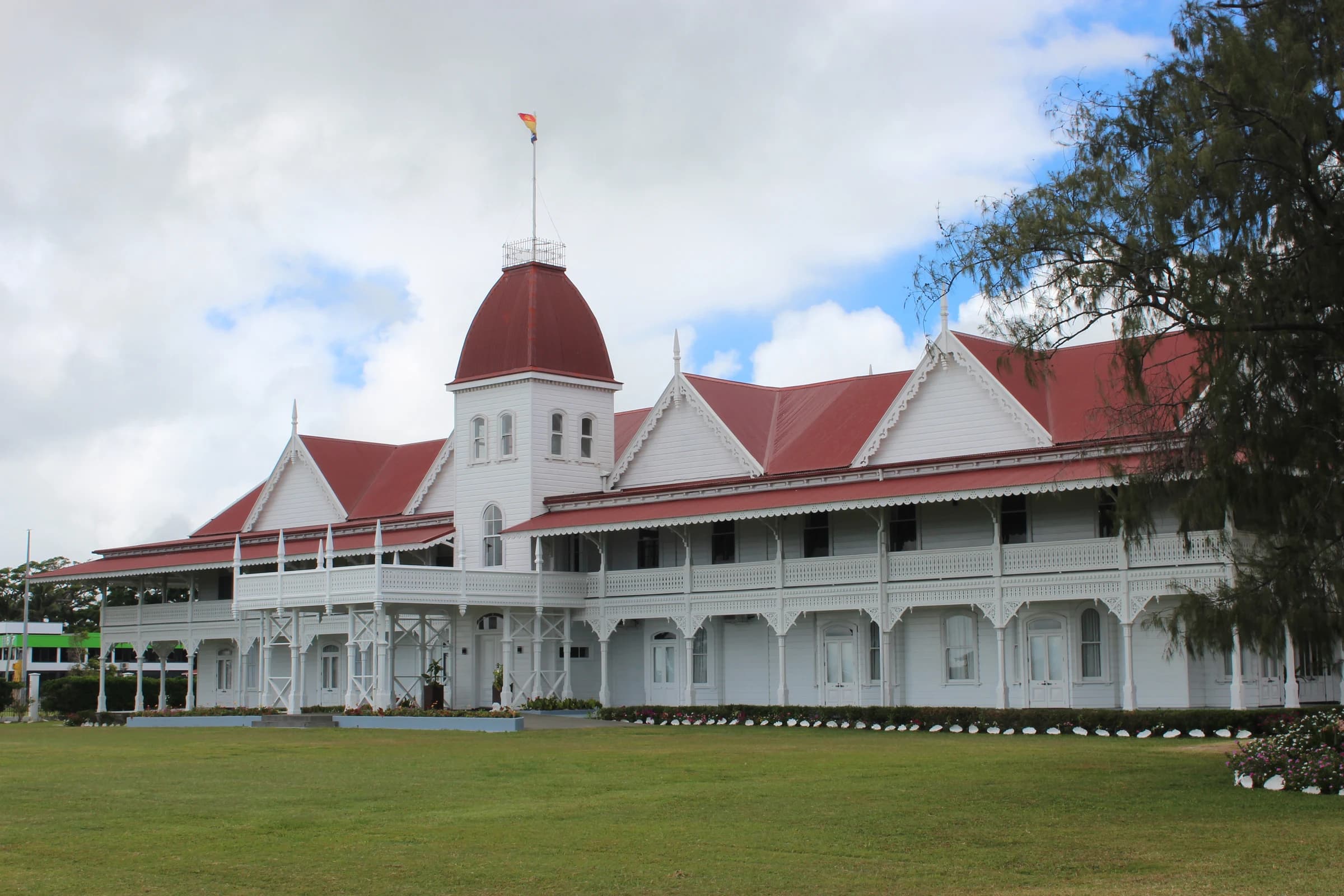
Nuku'alofa, Tonga's capital, sits on Tongatapu and functions as the practical base for exploring the island, including the Royal Palace, home to the reigning monarch, and Talamahu Market, a genuine working market for produce, woven handicrafts, and everyday goods rather than a tourist-oriented recreation.
Tongan society remains genuinely devout, and the country largely observes Sunday as a day of rest, with most businesses closed and an expectation of modest, respectful behavior from visitors, a cultural rhythm that shapes trip planning in Tonga more directly than in most other Pacific destinations.
What a trip here actually costs
$130 / day avg.
- 3-star guesthouse or hotel in Nuku'alofa
- Local transport and market visits
- Casual Tongan meals
- Ha'amonga 'a Maui and Houma blowholes day trip
What to do at this tier
- • Ha'amonga 'a Maui trilithon and the Houma blowholes, a combined day trip around Tongatapu
- • Talamahu Market in central Nuku'alofa, for produce and handicrafts
- • Royal Palace exterior viewing, the residence of the Tongan monarch
$350 / day avg.
- Beachfront resort accommodation
- Licensed humpback whale swimming excursion (seasonal)
- Private island day trip
- Multi-course dinners at the resort
What to do at this tier
- • Licensed swimming excursion with wild humpback whales, seasonal roughly July-October
- • Private day trip to one of Tongatapu's outer islands and lagoons
- • Multi-course dinner at a beachfront resort restaurant
These are average estimates for planning purposes, not real-time prices — actual costs vary by season, availability, and how far ahead you book.
How to get there
Click anywhere on the world map — any airport works, not just our main hubs.
Click anywhere on the map above — any airport in the world works — to see estimated travel time and cost from there.
Times and prices are planning estimates, not live fares — always check a booking site before you commit. See the full Transport Comparison guide for the general tradeoffs of each mode.
Best time to visit
May-October is Tonga's dry season, and July-October specifically overlaps with the humpback whale season for anyone prioritizing that activity.
Safety notes
Generally very safe for tourists with standard precautions; respect Tongan customs, including modest dress and Sunday observance, when the country largely closes for the Sabbath.
Visa & currency
Tongan pa'anga (TOP). Many nationalities, including most Western passport holders, can enter visa-free for tourism stays of up to 31 days or longer depending on nationality.
Questions people ask before visiting
Is Nuku'alofa worth visiting?
Yes, particularly for travelers drawn to Tonga's unique standing as Polynesia's last monarchy and one of the very few places where swimming directly with wild humpback whales is legal — the capital itself is a compact, easy base for exploring the wider Tongatapu island.
Can you really swim with humpback whales in Tonga?
Yes — Tonga is one of only a handful of countries in the world where licensed operators can take small groups into the water to swim alongside wild humpback whales, roughly July through October when the whales migrate through Tongan waters to breed and calve. It's a tightly regulated activity aimed at minimizing disturbance to the whales.
Was Tonga ever colonized?
No — Tonga is the only Pacific Island nation that was never formally colonized by a European power, maintaining its sovereignty throughout the colonial era, though it did become a British-protected state for part of the 20th century without losing its monarchy or internal self-governance.
What is the Ha'amonga 'a Maui?
An ancient coral limestone trilithon, three massive stones arranged similarly to a gate, believed to have been built around the 13th century, possibly as a royal gateway or calendar marker. Its resemblance to Stonehenge has earned it the nickname 'Stonehenge of the Pacific.'
Nearby destinations
 Nadi
NadiNadi
Fiji
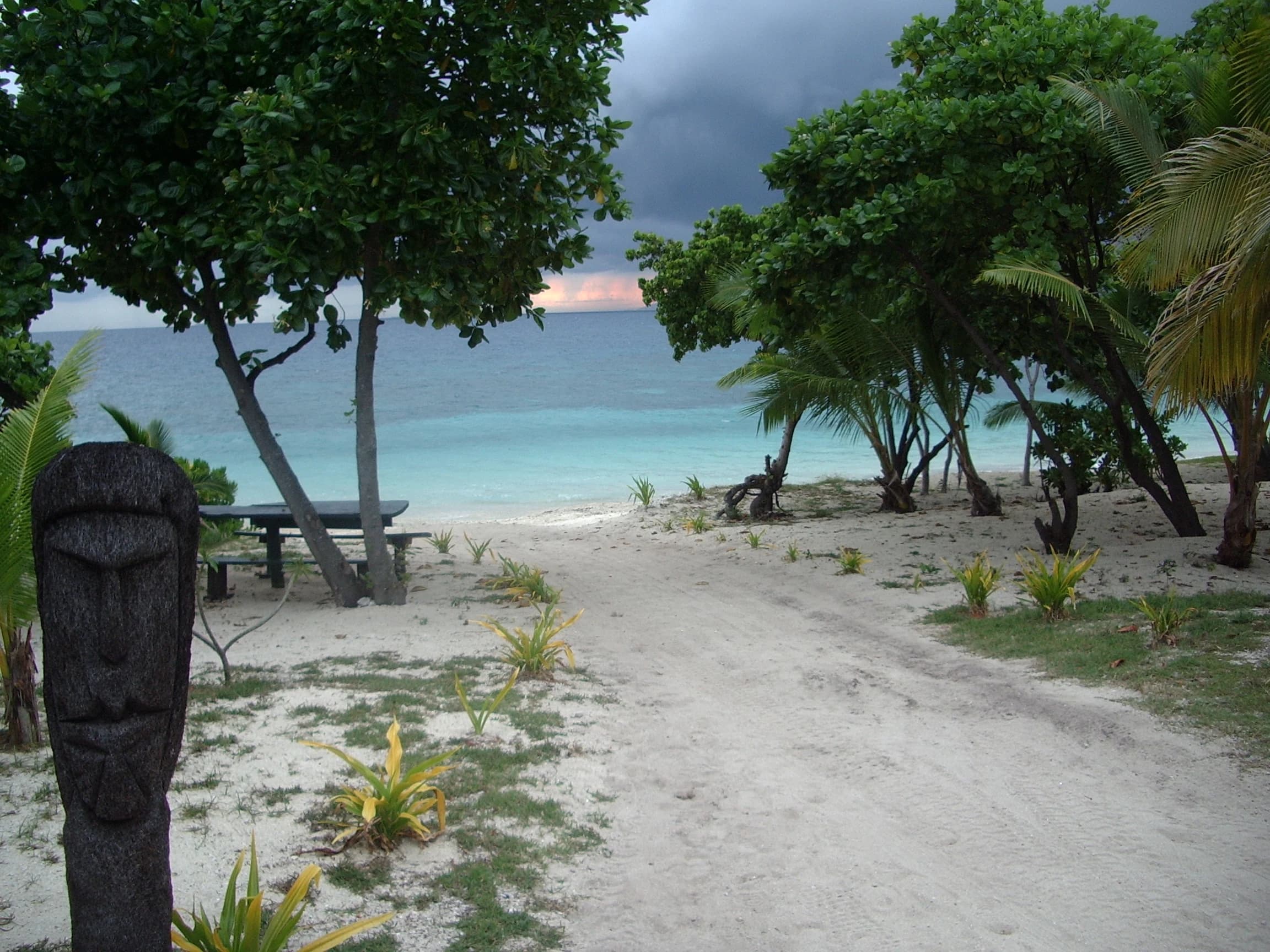
Fiji is made up of more than 300 islands, and Nadi, the main international gateway, welcomes nearly every visitor with the same ritual — a kava ceremony, sharing a mildly numbing, earthy drink made from ground pepper root that's held real cultural and social weight in Fijian communities for centuries.
See full guide →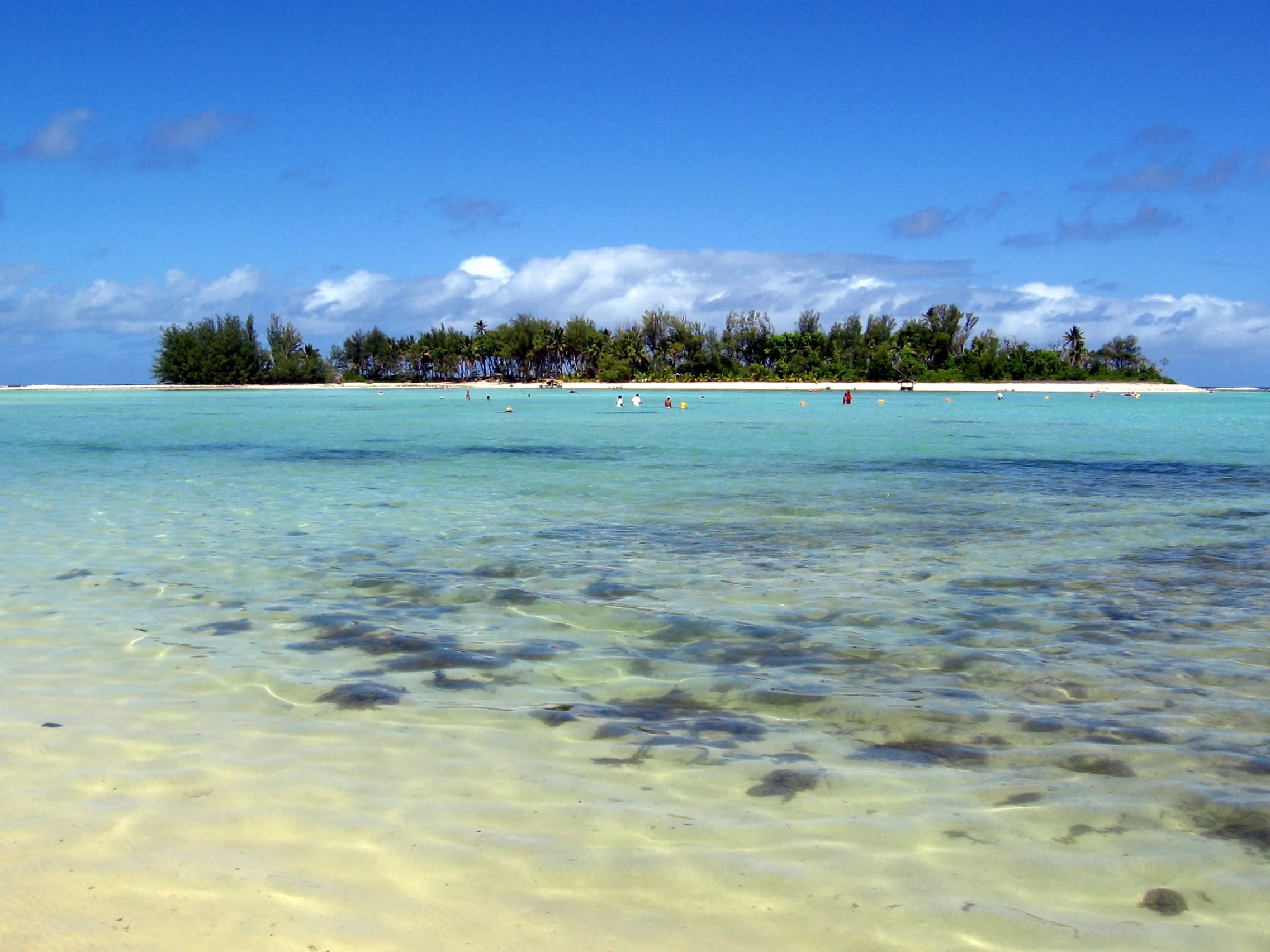 Rarotonga
Rarotonga
Cook Islands
The Cook Islands have no traffic lights on their main island, and Rarotonga's single coastal road circles the entire place in about 32 kilometers — a country self-governing in free association with New Zealand, small and slow-paced enough that most visitors genuinely lose track of what day it is by the third afternoon.
See full guide →Comparing more than one route? See the full transport comparison guide.