American Samoa · Oceania
Pago Pago
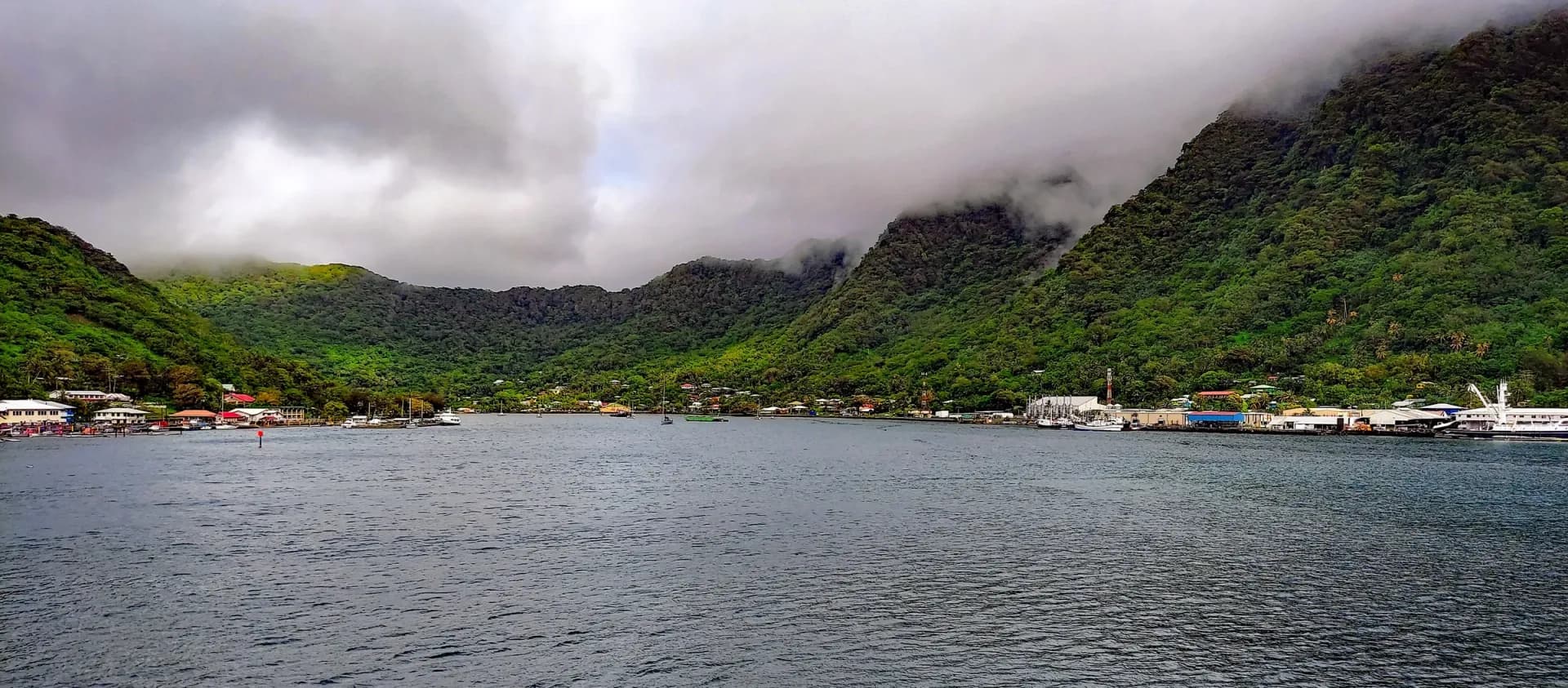
American Samoa holds the only US National Park located south of the equator, and Pago Pago Harbor, one of the deepest natural harbors in the South Pacific, sits ringed by dramatic volcanic peaks in a territory where fa'a Samoa, the traditional Samoan way of life, remains genuinely intact despite flying the American flag.
American Samoa holds the only US National Park located entirely south of the equator, spread across three islands and protecting a mix of rainforest, coral reef, and traditional village land, much of which remains under customary Samoan land tenure rather than direct federal ownership, an unusual arrangement that reflects how deeply fa'a Samoa, the traditional Samoan way of life, remains woven into the territory's governance.
Pago Pago Harbor, one of the deepest natural harbors in the South Pacific, cuts deep into the island of Tutuila, ringed by steep volcanic peaks that rise almost directly from the water. That dramatic geography made it a strategically valuable naval coaling station in the late 19th and early 20th centuries, a role that eventually led to American Samoa's current status as a US territory, distinct from the neighboring independent nation of Samoa a short flight away.
Despite flying the American flag and using the US dollar, American Samoa has preserved fa'a Samoa considerably more intact than many other Pacific territories have retained their traditional cultures under colonial or territorial administration. Village life continues to operate around matai, chiefly leadership structures, and communal land ownership, and visitors are expected to observe local customs, including respecting village curfew hours during evening prayer and appropriate dress in villages.
The National Park of American Samoa offers hiking trails through some of the last intact Pacific rainforest of its kind, home to flying foxes and a range of native bird species found nowhere else, alongside coral reef snorkeling directly off several of the park's coastal sections. Unlike more heavily visited national parks elsewhere, infrastructure here remains genuinely minimal, part of what's kept the ecosystem so well preserved.
American Samoa's tuna canning industry, historically centered on Pago Pago and once one of the territory's largest employers, has connected the islands to global seafood supply chains for decades, a modern economic thread running alongside the traditional subsistence and communal practices that still shape daily life across most of the territory's villages.
What a trip here actually costs
$40 / day avg.
- Guesthouse or budget hotel
- Local aiga bus transport
- Local Samoan and casual restaurant meals
- National Park of American Samoa, free
What to do at this tier
- • National Park of American Samoa hiking trails, free
- • Pago Pago Harbor waterfront walk, free
- • Local village visits, following fa'a Samoa customs, low or no cost
$100 / day avg.
- 3-star hotel near Pago Pago Harbor
- Guided national park hiking tour
- Snorkeling excursion
- Sit-down restaurant meals
What to do at this tier
- • Guided national park rainforest hike
- • Snorkeling excursion along the coral reef
- • Traditional Samoan cultural experience or feast
These are average estimates for planning purposes, not real-time prices — actual costs vary by season, availability, and how far ahead you book.
How to get there
Click anywhere on the world map — any airport works, not just our main hubs.
Click anywhere on the map above — any airport in the world works — to see estimated travel time and cost from there.
Times and prices are planning estimates, not live fares — always check a booking site before you commit. See the full Transport Comparison guide for the general tradeoffs of each mode.
Best time to visit
May-October is the drier season and most comfortable; the wet season runs roughly November-April with higher cyclone risk.
Safety notes
Very safe with low crime; visiting villages respectfully means following fa'a Samoa customs, including appropriate dress and behavior during village council hours.
Visa & currency
US dollar (USD). US citizens need no passport; other nationalities should check specific American Samoa entry requirements, which differ from the rest of the US.
Questions people ask before visiting
Is Pago Pago worth visiting?
Yes for travelers seeking something genuinely off the beaten path — American Samoa holds the only US National Park south of the equator, a dramatic volcanic harbor at Pago Pago, and a strongly preserved traditional Samoan culture, fa'a Samoa, despite its status as a US territory.
How is American Samoa different from independent Samoa?
American Samoa is an unincorporated US territory using the US dollar, while independent Samoa, a short flight away, is its own sovereign nation. Despite the political split, both share deep cultural, linguistic, and family ties as part of the same wider Samoan archipelago.
What is the National Park of American Samoa?
The only US National Park located entirely south of the equator, spread across three islands and protecting rainforest, coral reefs, and traditional Samoan village land, much of which remains communally owned under customary land tenure rather than federal ownership.
How many days do you need in American Samoa?
Four to five days covers Pago Pago Harbor, hiking in the National Park, and time to experience village life and fa'a Samoa traditions at a respectful, unhurried pace.
Nearby destinations
 Samoa
SamoaSamoa
Samoa
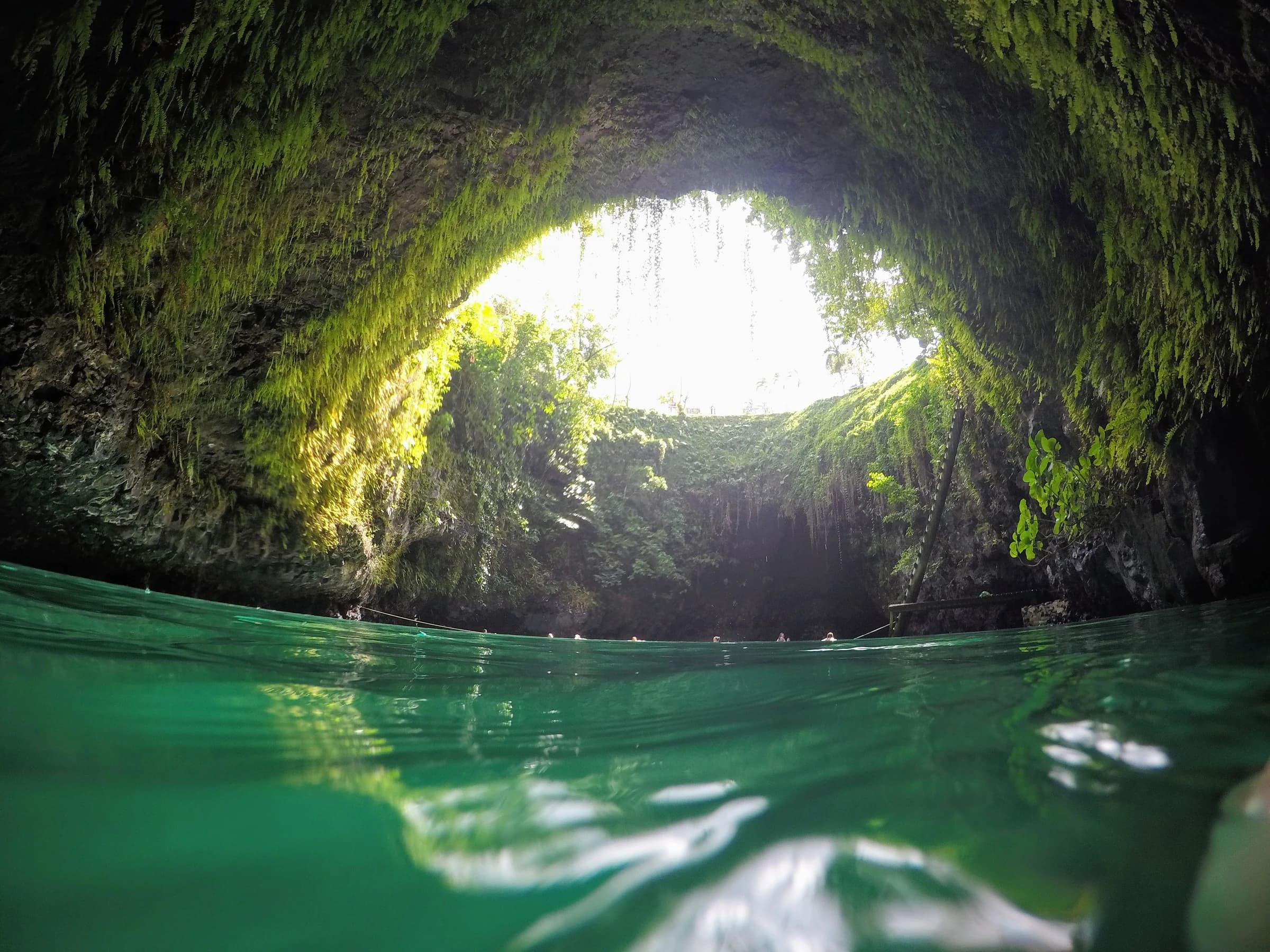
Samoa spent December 29, 2011 as usual, then skipped December 30 entirely, waking up on December 31 on the other side of the International Date Line — the country jumped a full day forward to align its work week with Australia and New Zealand instead of the United States, becoming one of the first places on Earth to see each new sunrise rather than nearly the last.
See full guide →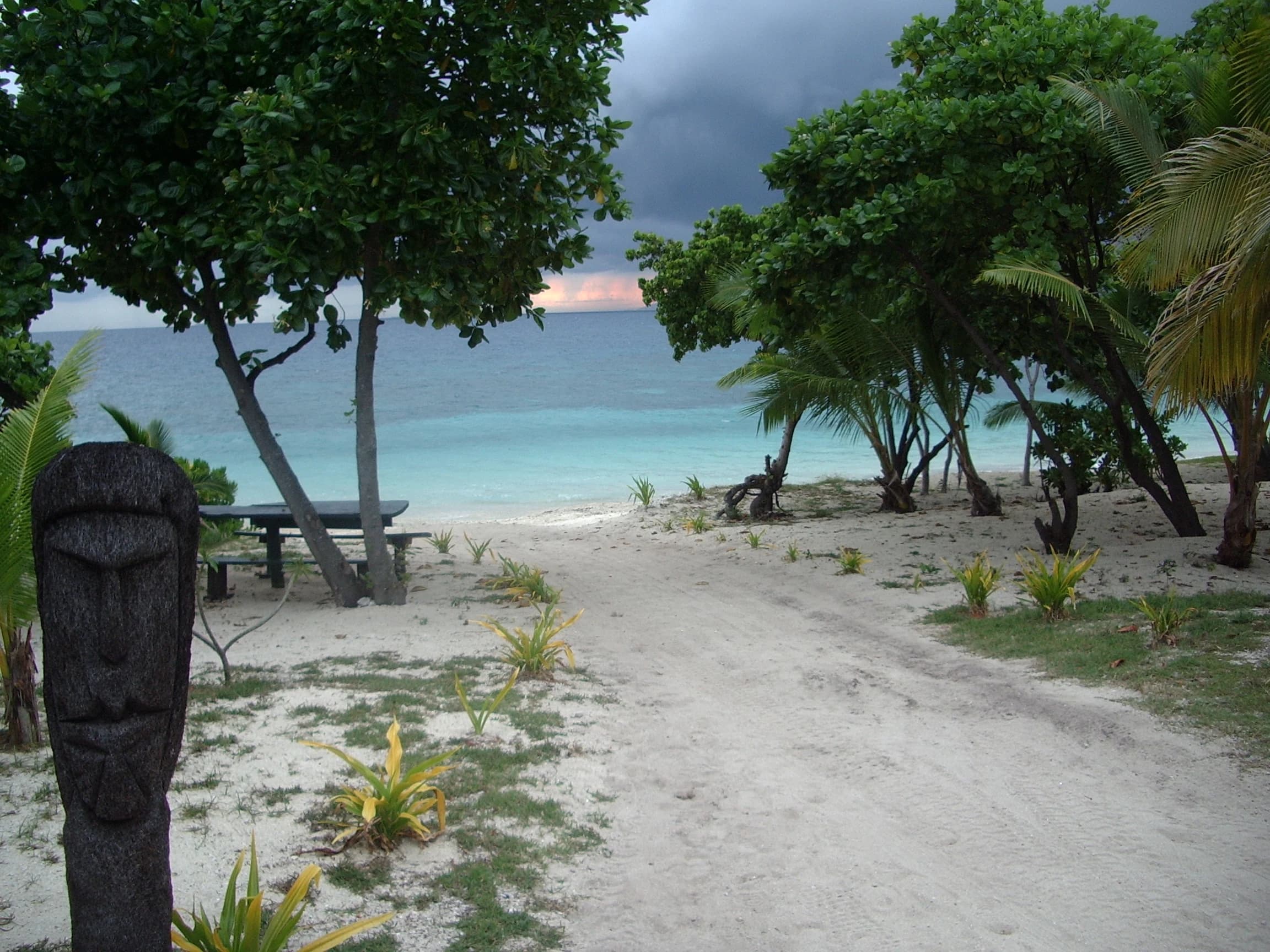 Nadi
NadiNadi
Fiji
Fiji is made up of more than 300 islands, and Nadi, the main international gateway, welcomes nearly every visitor with the same ritual — a kava ceremony, sharing a mildly numbing, earthy drink made from ground pepper root that's held real cultural and social weight in Fijian communities for centuries.
See full guide →Comparing more than one route? See the full transport comparison guide.