Samoa · Oceania
Samoa
Samoa spent December 29, 2011 as usual, then skipped December 30 entirely, waking up on December 31 on the other side of the International Date Line — the country jumped a full day forward to align its work week with Australia and New Zealand instead of the United States, becoming one of the first places on Earth to see each new sunrise rather than nearly the last.
Samoa made one of the more unusual calendar decisions of the 21st century in 2011, skipping December 30 entirely to jump from the eastern side of the International Date Line to the western side. The change aligned Samoa's work week with its main trading partners, Australia and New Zealand, rather than the United States and American Samoa just across the strait, and it shifted the country from being one of the last places on Earth to see each new day to one of the first, a single administrative decision that quietly rewrote Samoa's place on the world map.
That practical, trade-driven decision sits alongside a culture that's held onto tradition with genuine consistency. Fa'a Samoa, "the Samoan way," governs everything from communal village decision-making to the open-sided fale, a traditional house design without solid walls that remains in genuine everyday use, particularly in beach accommodation aimed at visitors who want to experience it directly rather than just read about it.
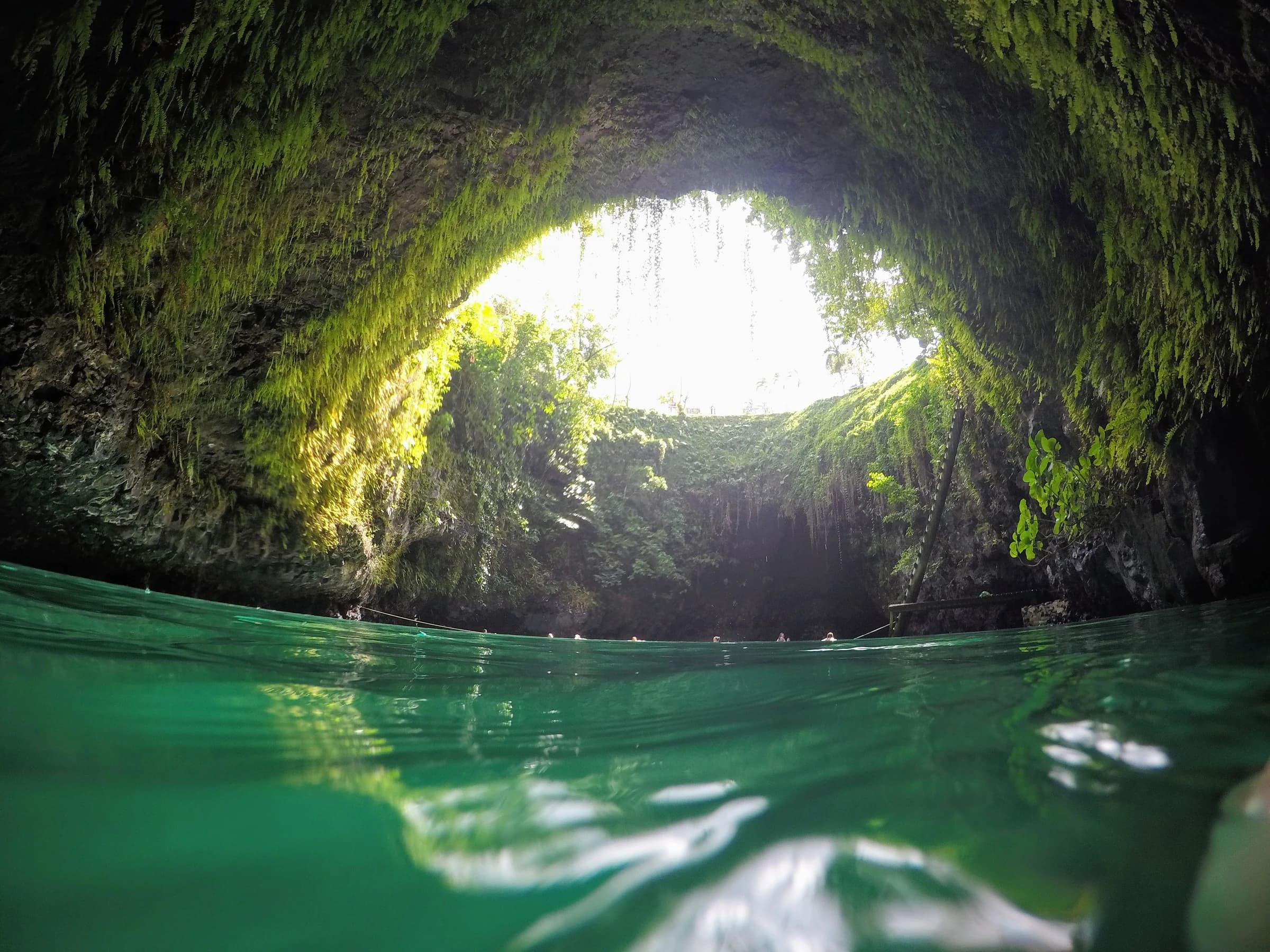
The To Sua Ocean Trench, on Upolu island, ranks among Samoa's most photographed natural sights: a large swimming hole formed when a lava tube's roof collapsed, connected to the ocean by an underwater channel and now ringed by lush vegetation. Visitors descend a tall wooden ladder to reach the strikingly clear water below, a genuinely dramatic entrance to what's essentially a natural pool carved directly into volcanic rock.
Robert Louis Stevenson, the Scottish author of "Treasure Island" and "Strange Case of Dr Jekyll and Mr Hyde," spent his final years in Samoa and is buried on Mount Vaea overlooking Vailima, his former home, now preserved as a museum. His decision to settle and eventually die in Samoa, rather than return to Europe, reflects a genuine personal connection to the islands that Samoans still reference as part of the country's broader story.
Samoa's two main islands, Upolu and the larger but less developed Savai'i, give visitors a genuine choice between more established tourism infrastructure and a considerably quieter, more traditional pace, and many visitors split their time between both to get a fuller sense of the range within a relatively compact country.
What a trip here actually costs
$40 / day avg.
- Traditional beach fale accommodation, often including breakfast and dinner
- Local bus fares
- Casual Samoan meals
- To Sua Ocean Trench entry
What to do at this tier
- • To Sua Ocean Trench, descending a tall ladder into a natural swimming hole, entry fee applies
- • Traditional beach fale stay, an open-sided thatched hut directly on the sand
- • Robert Louis Stevenson Museum at Vailima, the author's former home, entry fee applies
$100 / day avg.
- 3-star resort accommodation
- Rental car for island exploration
- Sit-down dinners at resort restaurants
- Guided waterfall and village tour
What to do at this tier
- • Guided tour of Upolu's waterfalls, including Papapapaitai and Sopoaga Falls
- • Savai'i island extension, including lava fields and traditional villages
- • Snorkeling at one of Samoa's protected marine reserves
These are average estimates for planning purposes, not real-time prices — actual costs vary by season, availability, and how far ahead you book.
How to get there
Click anywhere on the world map — any airport works, not just our main hubs.
Click anywhere on the map above — any airport in the world works — to see estimated travel time and cost from there.
Times and prices are planning estimates, not live fares — always check a booking site before you commit. See the full Transport Comparison guide for the general tradeoffs of each mode.
Best time to visit
May-October is Samoa's dry season; the wetter months (November-April) coincide with the South Pacific cyclone season.
Safety notes
Generally very safe for tourists with standard precautions; respect fa'a Samoa customs, including modest dress in villages and asking permission before photographing people or ceremonies.
Visa & currency
Samoan tālā (WST). Most nationalities can obtain a visa on arrival for tourism stays of up to 60 days.
Questions people ask before visiting
Is Samoa worth visiting?
Yes, particularly for travelers seeking a genuinely traditional Pacific island experience — Samoan fa'a Samoa culture, including communal fale living, remains a real, everyday practice rather than a tourist performance, and natural sights like the To Sua Ocean Trench give it real standout appeal beyond its cultural depth.
Why did Samoa change time zones in 2011?
Samoa skipped December 30, 2011 entirely, jumping from the eastern side of the International Date Line to the western side, to better align its work week with its main trading partners, Australia and New Zealand, rather than the United States. The shift moved Samoa from being one of the last places on Earth to see each day to one of the first.
What is the To Sua Ocean Trench?
A large natural swimming hole on Samoa's Upolu island, formed by a collapsed lava tube connected to the ocean by an underwater channel. Visitors descend a tall wooden ladder to swim in its strikingly clear, tree-ringed water, one of Samoa's most photographed natural sights.
How many days do you need in Samoa?
A week allows time to explore both main islands, Upolu and Savai'i, including the To Sua Ocean Trench, waterfalls, and time in traditional beach fale accommodation. Samoa's relatively slow transport pace between sights rewards a longer, unhurried stay.
Nearby destinations
 Nadi
NadiNadi
Fiji
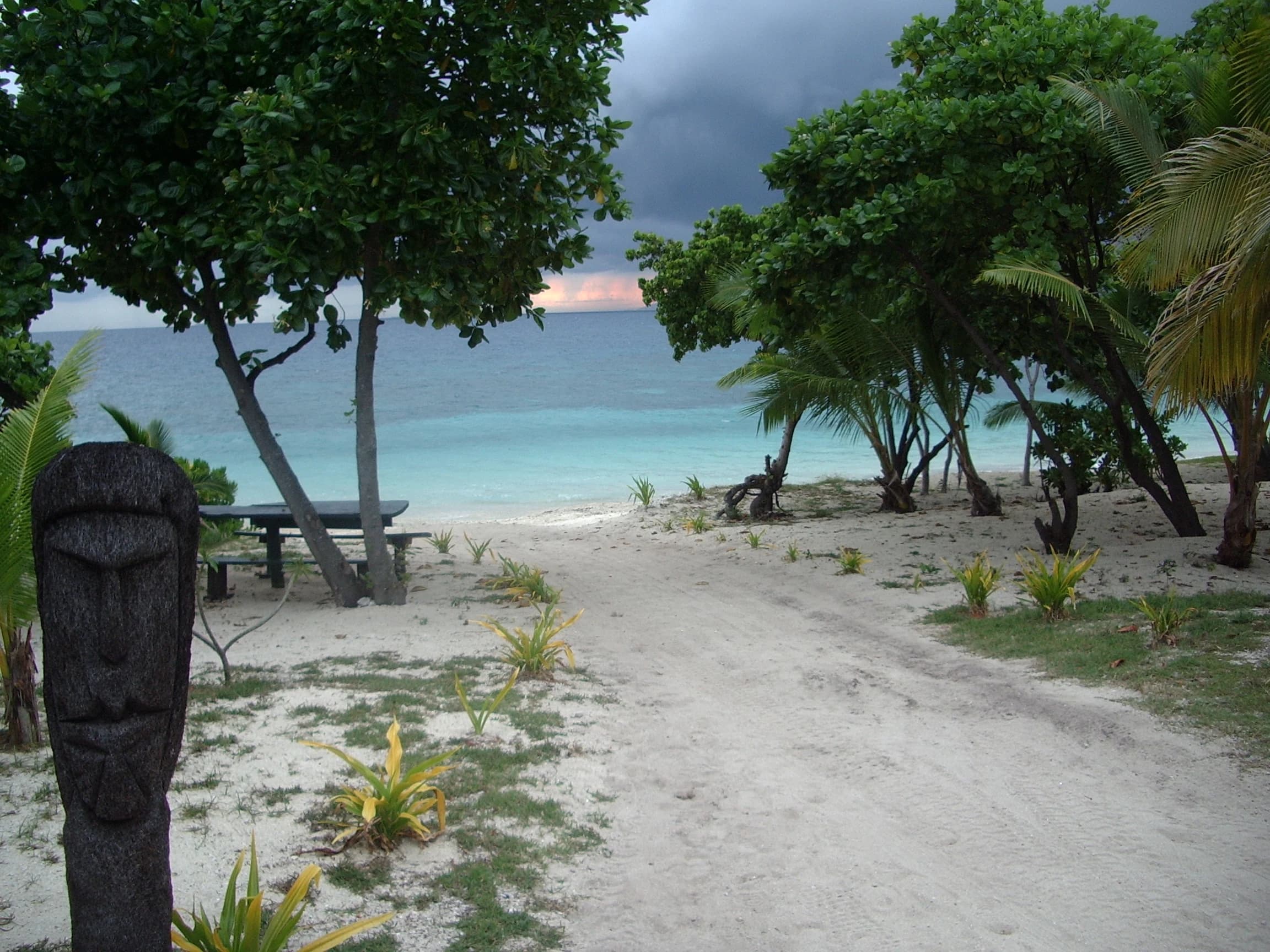
Fiji is made up of more than 300 islands, and Nadi, the main international gateway, welcomes nearly every visitor with the same ritual — a kava ceremony, sharing a mildly numbing, earthy drink made from ground pepper root that's held real cultural and social weight in Fijian communities for centuries.
See full guide →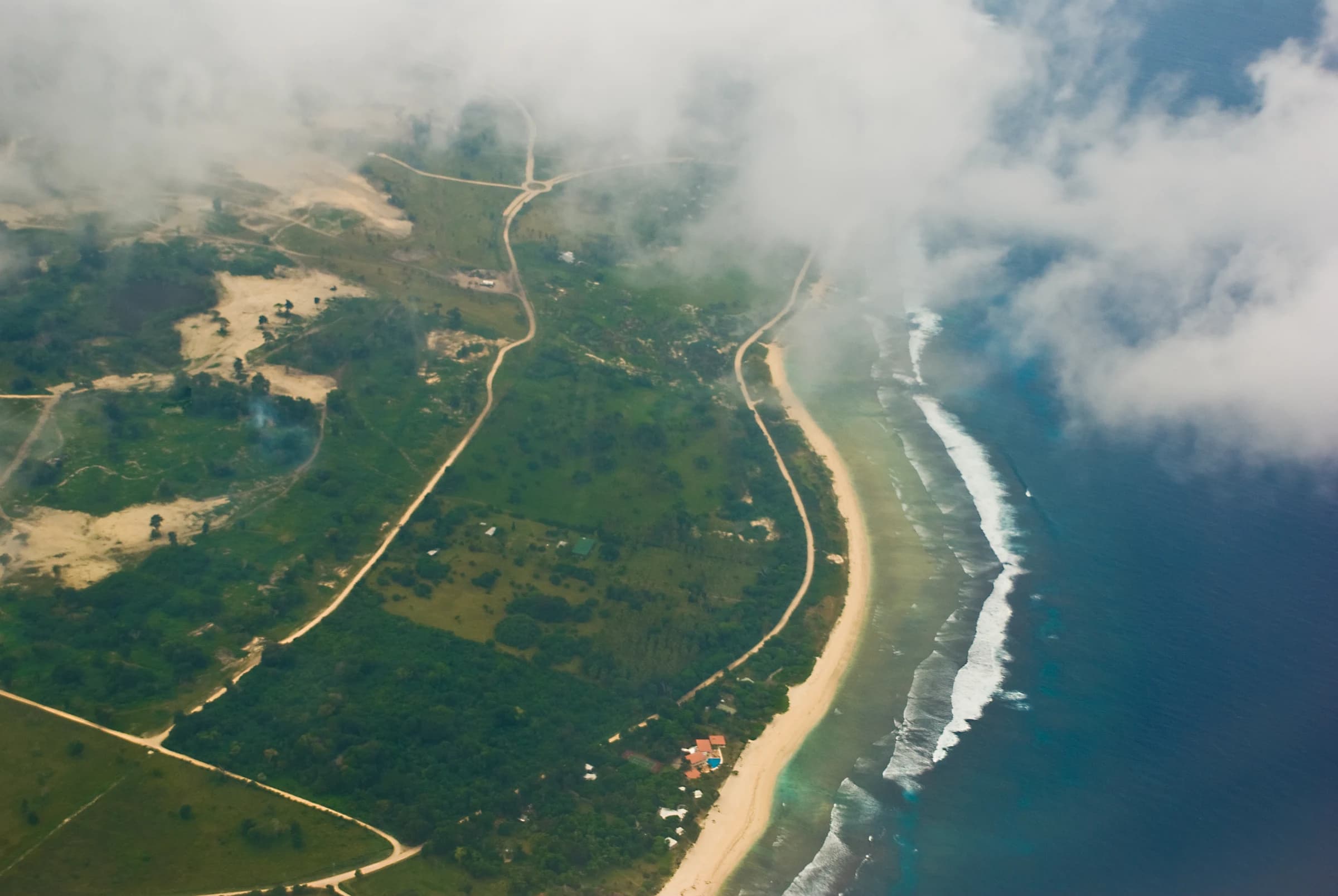 Port Vila
Port Vila
Vanuatu
Long before AJ Hackett turned bungy jumping into a global industry from a bridge near Queenstown, people on Vanuatu's Pentecost Island were diving off wooden towers with vines tied to their ankles — land diving, still practiced today, is widely considered the direct ancestor of modern bungy jumping, performed here for centuries before anyone thought to franchise it.
See full guide →Comparing more than one route? See the full transport comparison guide.