Niue · Oceania
Niue
Niue became the first country in the world to protect its entire territory as an International Dark Sky Sanctuary, a fitting distinction for one of the least visited nations on Earth, home to barely 1,600 people, water so clear it holds visibility past 60 meters, and sea snakes that share the reef with migrating humpback whales.
Niue holds the distinction of being the first country in the world to protect its entire territory as an International Dark Sky Sanctuary, a designation that reflects both genuinely minimal light pollution and a deliberate national commitment to keeping it that way. For a nation of barely 1,600 residents, one of the smallest populations of any country on Earth, it's a fitting kind of superlative, understated but genuinely rare.
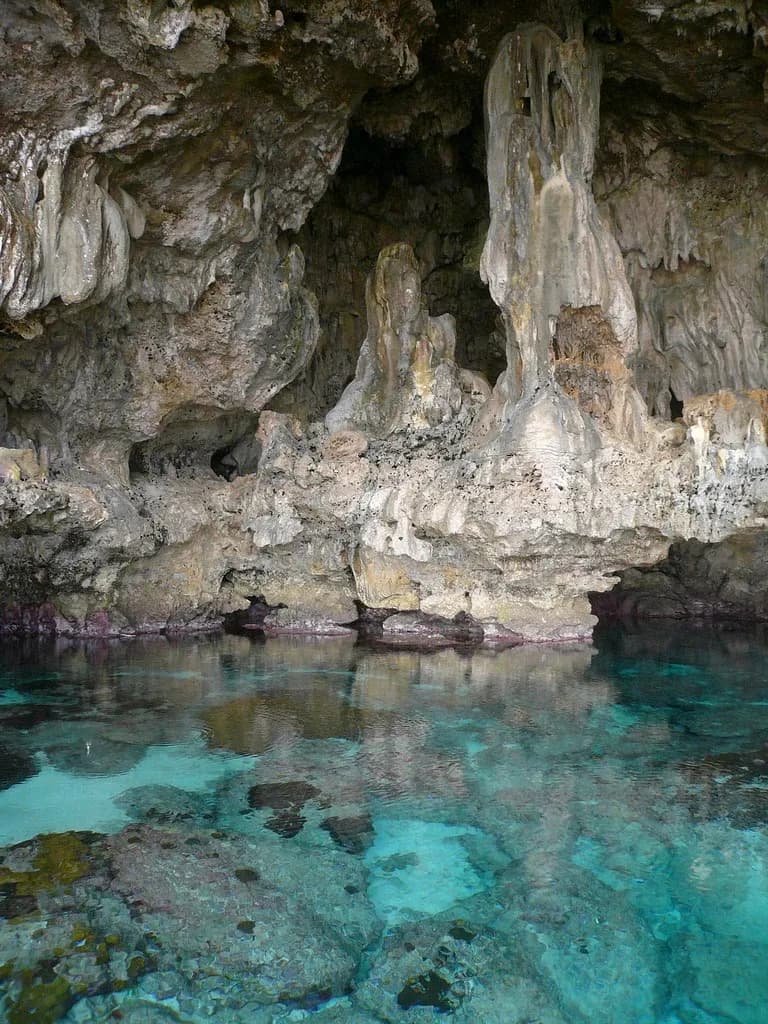
That same isolation shapes the water surrounding the island. Niue has no barrier reef and little river runoff to cloud its coastline, and its coral limestone geology filters rainwater before it ever reaches the sea, producing visibility that regularly exceeds 60 meters, among the clearest ocean water found anywhere in the Pacific. Divers and snorkelers describe the sensation as closer to floating in air than swimming in water.
That clarity makes Niue one of the more reliable places in the world to encounter katuali, a native sea snake found nowhere else, calmly moving along the reef alongside snorkelers and divers. Despite being venomous, the katuali has a small mouth and a generally docile temperament, and bites are extremely rare, though following a local guide's lead remains the sensible approach to any encounter.
Between roughly July and October, humpback whales migrate through Niue's waters to breed and calve, and the same exceptional clarity that defines the island's everyday snorkeling makes whale-swim excursions here particularly striking, since visibility often allows genuinely clear views of whales from a respectful distance rather than murky glimpses.
Reaching Niue takes real planning, since limited weekly flights connect it only to Auckland, New Zealand, making it one of the more logistically demanding Pacific destinations on this list. That difficulty has kept visitor numbers genuinely low, and for travelers willing to work around a fixed flight schedule, it's a large part of why Niue still feels like one of the last quiet corners of the South Pacific.
What a trip here actually costs
$160 / day avg.
- 3-star guesthouse or hotel
- Rental car for exploring the island
- Local and casual restaurant meals
- Coastal walking tracks and chasms, free
What to do at this tier
- • Snorkeling among Niue's exceptionally clear coastal waters
- • Coastal walking tracks to limestone chasms and sea caves
- • Avaiki Cave and Talava Arches exploration
$380 / day avg.
- Boutique resort accommodation
- Guided sea snake and reef snorkeling tour
- Seasonal humpback whale swim excursion
- Private stargazing tour under Dark Sky Sanctuary skies
What to do at this tier
- • Guided swim with katuali sea snakes and reef life
- • Seasonal humpback whale swim excursion, July-October
- • Private guided stargazing under Dark Sky Sanctuary conditions
These are average estimates for planning purposes, not real-time prices — actual costs vary by season, availability, and how far ahead you book.
How to get there
Click anywhere on the world map — any airport works, not just our main hubs.
Click anywhere on the map above — any airport in the world works — to see estimated travel time and cost from there.
Times and prices are planning estimates, not live fares — always check a booking site before you commit. See the full Transport Comparison guide for the general tradeoffs of each mode.
Best time to visit
May-October brings drier weather and the humpback whale season from roughly July; flights are limited and seasonal demand can book up, so plan well ahead.
Safety notes
Very safe with very low crime; Niue's coral limestone terrain can be sharp and uneven on coastal walks, so sturdy footwear matters.
Visa & currency
New Zealand dollar (NZD). Niue is self-governing in free association with New Zealand, and most visitors follow New Zealand's visa rules for entry.
Questions people ask before visiting
Is Niue worth visiting?
Yes for travelers seeking a genuinely quiet, uncrowded Pacific destination — Niue is one of the world's largest coral islands, holds International Dark Sky Sanctuary status across its entire territory, and offers exceptionally clear water for swimming with sea snakes and, seasonally, humpback whales.
Why is Niue's water so clear?
Niue has no surrounding barrier reef or major river runoff to cloud its water, and its coral limestone geology filters rainwater before it reaches the sea, resulting in exceptional clarity with visibility regularly exceeding 60 meters, among the clearest ocean water anywhere in the Pacific.
Is it safe to swim with sea snakes in Niue?
Niue's katuali, a native sea krait, is venomous but has a small mouth and generally docile temperament, making bites extremely rare. Most visitors encounter them calmly during snorkeling or diving without incident, though following a local guide's lead is recommended.
How do you get to Niue?
Limited weekly flights connect Niue to Auckland, New Zealand, making it one of the more logistically demanding Pacific islands to reach. Most visitors plan around the fixed flight schedule well in advance rather than treating it as a spontaneous add-on to a wider trip.
Nearby destinations
 Rarotonga
Rarotonga
Cook Islands
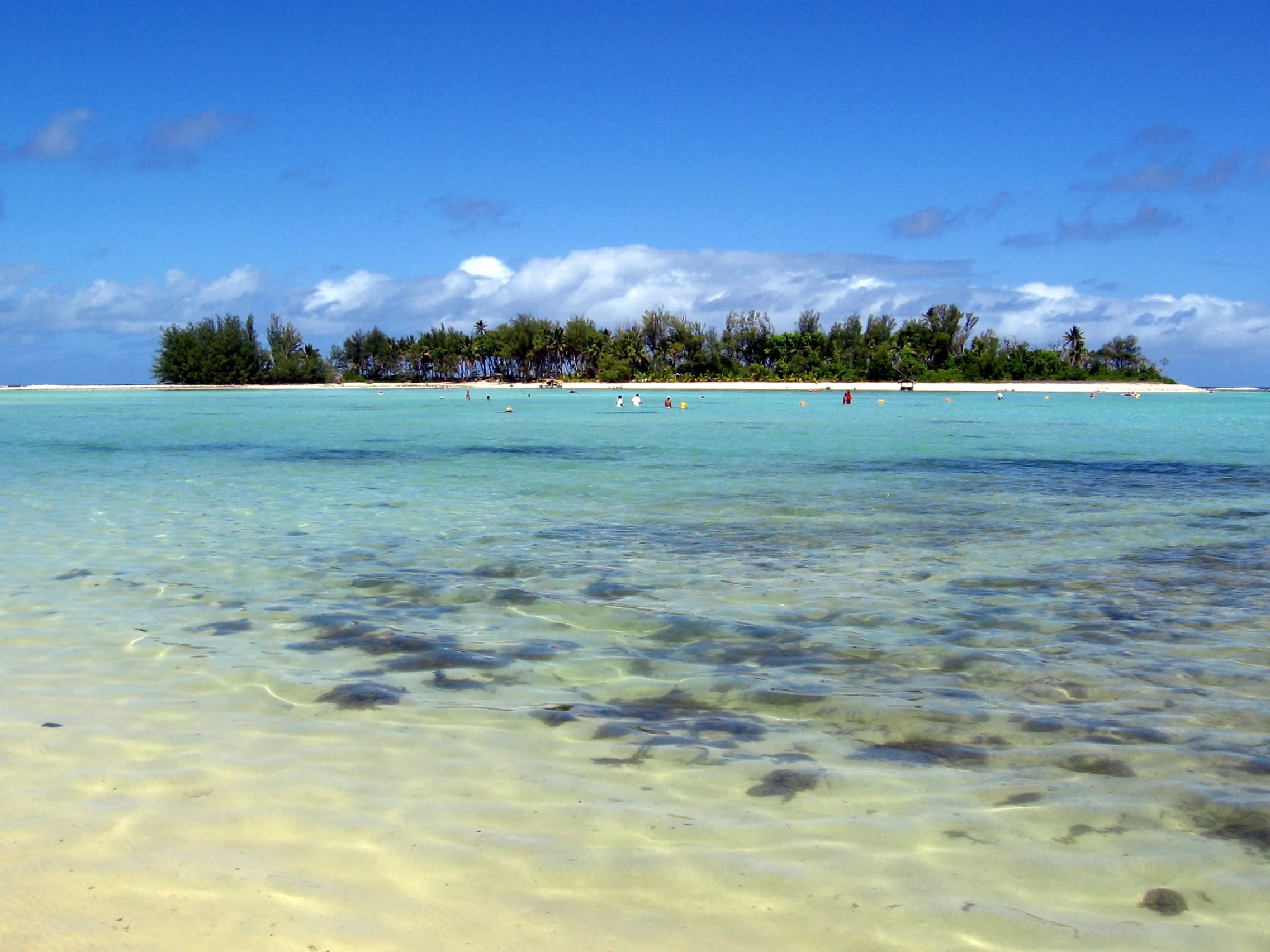
The Cook Islands have no traffic lights on their main island, and Rarotonga's single coastal road circles the entire place in about 32 kilometers — a country self-governing in free association with New Zealand, small and slow-paced enough that most visitors genuinely lose track of what day it is by the third afternoon.
See full guide →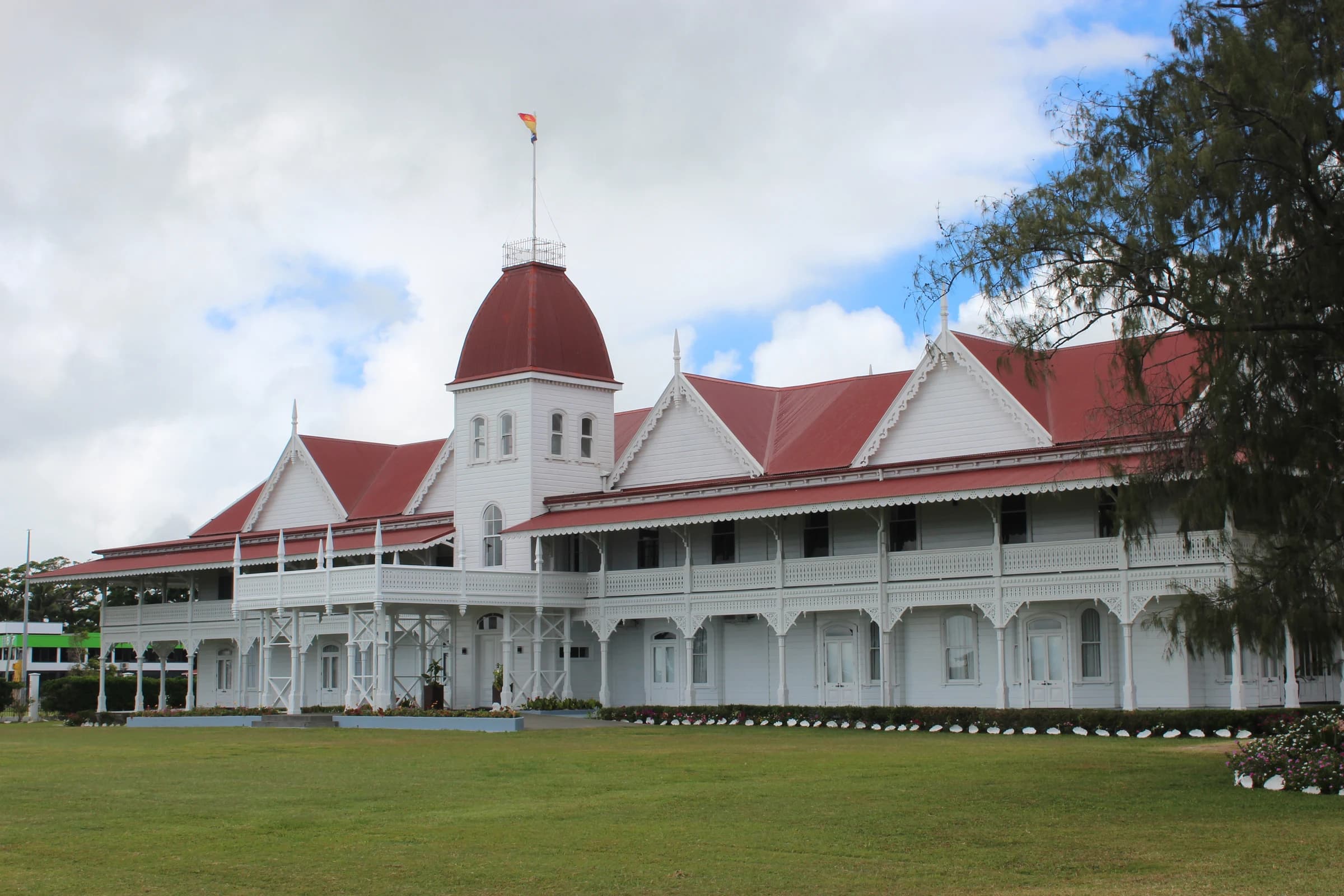 Nuku'alofa
Nuku'alofa
Tonga
Tonga is the only Pacific nation that was never formally colonized by a European power, and it remains Polynesia's last monarchy today — that unbroken sovereignty extends into the water too, where Tonga is one of only a handful of places on Earth where swimming directly with wild humpback whales is legal and genuinely possible.
See full guide →Comparing more than one route? See the full transport comparison guide.