Nauru · Oceania
Nauru
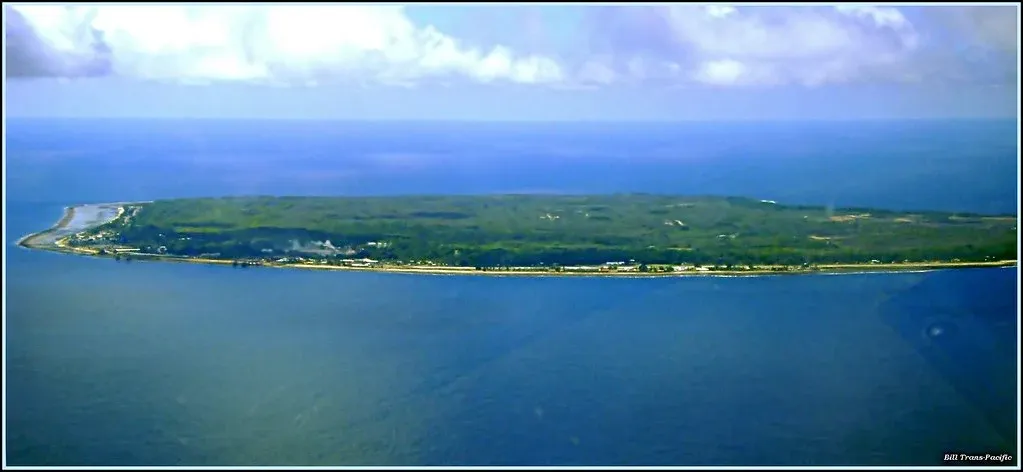
Nauru is the smallest island nation in the world at just 21 square kilometers, and it once had one of the highest per-capita incomes on Earth from phosphate mining, before the reserves ran out and left behind a moonscape of coral pinnacles across most of the island's interior — a boom-to-bust story with almost no equivalent anywhere else.
Nauru is the smallest island nation in the world, covering just 21 square kilometers, and for a brief period in the 1960s and 1970s it also had one of the highest per-capita incomes anywhere on Earth, built entirely on phosphate deposits formed over millennia from accumulated seabird guano. That wealth funded a level of prosperity genuinely disproportionate to the island's tiny size, before the reserves depleted rapidly and a series of mismanaged investments left the country in serious economic hardship within about two decades, one of the most dramatic boom-to-bust economic stories of any nation in modern history.
The physical legacy of that mining boom still dominates Nauru's landscape today. Roughly 80 percent of the island's interior, known locally as Topside, consists of jagged coral limestone pinnacles, exposed after decades of strip-mining removed the phosphate-rich topsoil and vegetation that once covered them. The result is a genuinely otherworldly terrain, sharp gray coral spires stretching across what was once productive land, standing in stark contrast to the narrow green coastal ring where most of the population still lives.
Command Ridge, Nauru's highest point, held a Japanese military lookout during WWII occupation, and rusted equipment and structures from that period remain scattered across the site today, offering both a historical marker and one of the only elevated viewpoints across the island's unusual interior.
Nauru's contemporary situation includes hosting an Australian-run immigration processing center, a significant and sometimes visible part of daily life on the island, a consequence of agreements between the Australian and Nauruan governments dating back to the early 2000s. It's a genuinely important piece of context for understanding modern Nauru, distinct from but connected to the island's broader story of economic dependency following the collapse of its phosphate wealth.
Visiting Nauru takes real planning, given limited flight connections and minimal tourist accommodation, and it remains one of the least-visited countries in the world by international tourists. For travelers who do make the journey, it offers a uniquely direct look at a genuinely singular national history, extreme wealth, environmental transformation, and ongoing recovery, compressed into one of the smallest territories on Earth.
What a trip here actually costs
$150 / day avg.
- Hotel accommodation, limited options available
- Local transport by rental car or arranged driver
- Restaurant meals at limited local options
- Topside pinnacle landscape and Command Ridge, free to visit
What to do at this tier
- • Command Ridge, former WWII Japanese lookout point with views over the island
- • Topside's coral pinnacle landscape from former phosphate mining
- • Anibare Bay coastline, free
These are average estimates for planning purposes, not real-time prices — actual costs vary by season, availability, and how far ahead you book.
How to get there
Click anywhere on the world map — any airport works, not just our main hubs.
Click anywhere on the map above — any airport in the world works — to see estimated travel time and cost from there.
Times and prices are planning estimates, not live fares — always check a booking site before you commit. See the full Transport Comparison guide for the general tradeoffs of each mode.
Best time to visit
May-October brings drier conditions; Nauru sees rain year-round near the equator, with the wetter period roughly November-April.
Safety notes
Generally safe day-to-day, though tourism infrastructure is minimal; note that Nauru currently hosts an Australian-run immigration detention facility, a significant part of the island's contemporary situation worth understanding before visiting.
Visa & currency
Australian dollar (AUD) is used as Nauru's currency. Visa arrangements should be confirmed well in advance, since entry requirements and flight access can change.
Questions people ask before visiting
Is Nauru worth visiting?
Nauru appeals mainly to travelers specifically drawn to its unusual history and extreme remoteness — the world's smallest island nation, a dramatic phosphate-mining boom-and-bust story, and coral pinnacle landscapes across its interior, though tourism infrastructure is minimal and entry can be genuinely difficult to arrange.
What happened to Nauru's phosphate wealth?
Nauru's phosphate deposits, formed from ancient bird guano, made it briefly one of the wealthiest nations per capita in the world during the 1960s-70s. Reserves depleted rapidly, mismanaged investment losses followed, and the country transitioned from extreme wealth to serious economic hardship within a couple of decades.
What does Nauru's landscape look like now?
Roughly 80 percent of the island's interior, known as Topside, consists of jagged coral limestone pinnacles left behind after decades of phosphate strip-mining stripped away the topsoil and vegetation, leaving a genuinely otherworldly landscape.
Is it hard to visit Nauru?
Yes — Nauru has very limited flight connections, minimal tourist accommodation, and a visa process that can require advance arrangement. It also currently hosts an Australian-run immigration processing center, a significant and sometimes visible part of the island's modern context.
Nearby destinations
 Tarawa
Tarawa
Kiribati
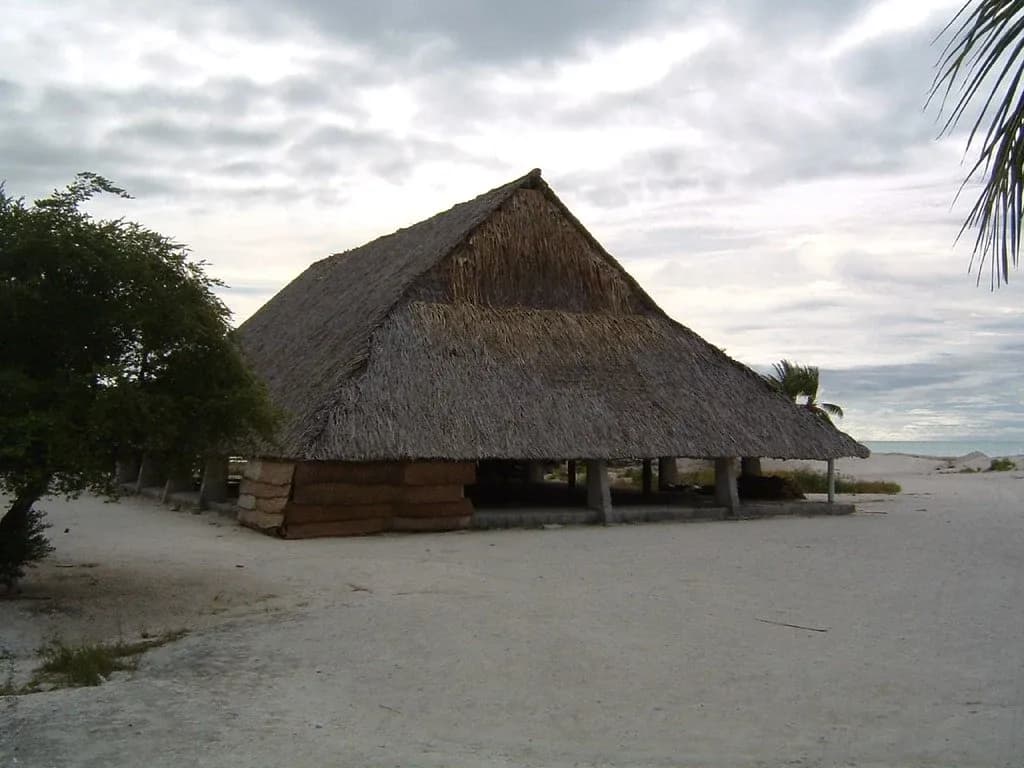
Kiribati is the only country in the world that spans all four hemispheres, a quirk it made official in 1995 by moving the International Date Line eastward specifically so the whole nation could share a single date and become the first place on Earth to see each new year — a remote atoll nation now more often discussed for how much of it might disappear under rising seas.
See full guide →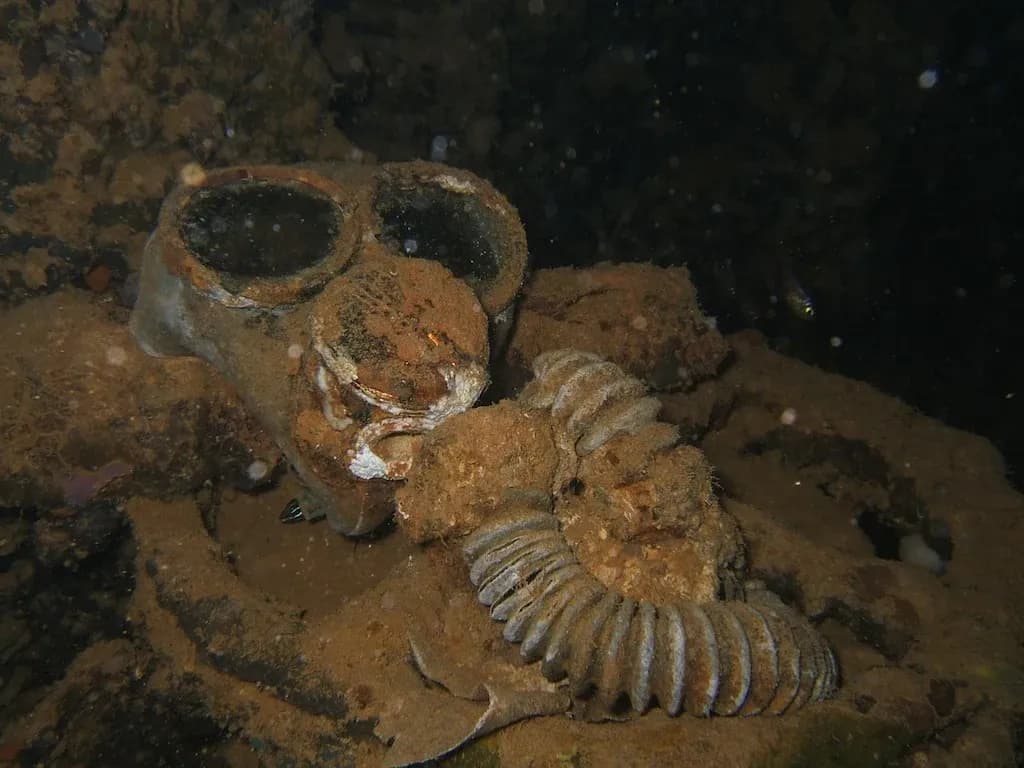 Chuuk
ChuukChuuk
Micronesia
In February 1944, US forces sank more than 60 Japanese ships in a single surprise air raid on Chuuk Lagoon, and most of that fleet still sits on the seafloor today, cargo, planes, and personal effects intact, making this remote stretch of Micronesia one of the largest and most complete wreck-diving sites anywhere in the world.
See full guide →Comparing more than one route? See the full transport comparison guide.