Micronesia · Oceania
Chuuk
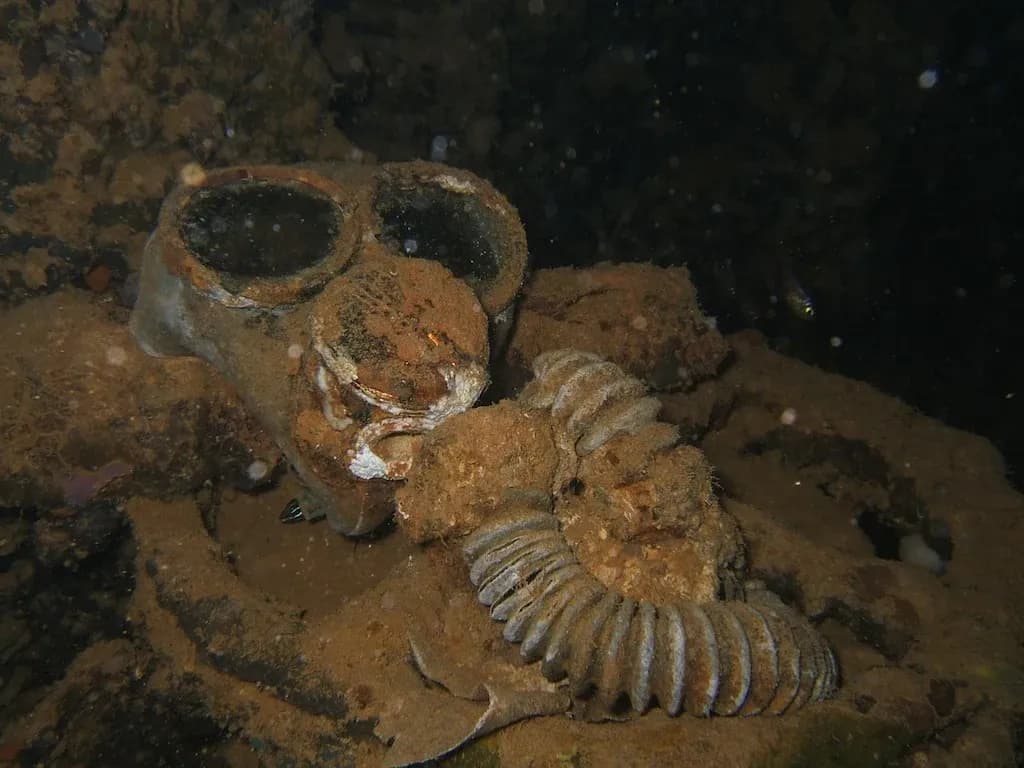
In February 1944, US forces sank more than 60 Japanese ships in a single surprise air raid on Chuuk Lagoon, and most of that fleet still sits on the seafloor today, cargo, planes, and personal effects intact, making this remote stretch of Micronesia one of the largest and most complete wreck-diving sites anywhere in the world.
Chuuk Lagoon, part of the Federated States of Micronesia and also known by its former name, Truk Lagoon, holds one of the highest concentrations of historic shipwrecks anywhere in the world, the direct result of a single, devastating US air raid in February 1944. Operation Hailstone targeted the Japanese Imperial Navy's major forward base here, sinking more than 60 ships and dozens of aircraft over roughly 48 hours and effectively ending the lagoon's role as a strategic base for the remainder of the war.
Many of those wrecks still sit largely intact on the seafloor today, some still holding cargo, ammunition, aircraft, and personal effects belonging to the crews who served aboard them. That combination of scale and preservation has made Chuuk one of the world's premier wreck-diving destinations, drawing divers specifically for an experience that functions almost like an underwater museum rather than a typical reef dive.
Depth and condition vary considerably between wrecks, and while some sit shallow enough for open-water certified divers, many of the more intact ships, and especially any interior wreck penetration, require advanced or wreck-specific certification. Most dive operators structure multi-day packages around a range of sites matched to different experience levels, letting newer divers and technical wreck specialists both find appropriate dives.
The lagoon's remoteness has kept Chuuk from becoming a mainstream tourism destination, and most visitors arrive specifically for dedicated dive trips rather than a broader vacation itinerary, connecting through Guam to Chuuk's own small airport. That focus has, in a way, preserved the wrecks further, since the area sees a fraction of the visitor traffic that busier dive destinations elsewhere in the Pacific experience.
Beyond the historical weight of the site, decades underwater have let coral and marine life colonize much of the sunken fleet, turning gun turrets and cargo holds into artificial reefs supporting their own ecosystems. That layering, WWII history slowly becoming marine habitat, gives Chuuk a character that few other diving destinations, wreck-focused or otherwise, can match.
What a trip here actually costs
$220 / day avg.
- Dive lodge accommodation
- Two-tank wreck dive package
- Dive gear rental
- Local meals included in lodge packages
What to do at this tier
- • Two-tank wreck dive package covering accessible ships
- • Snorkeling over shallower wreck sites
- • Chuuk Lagoon boat tour between dive sites
$500 / day avg.
- Liveaboard dive vessel cabin
- Multiple daily wreck dives with a dedicated guide
- All meals included
- Technical or penetration diving on advanced wrecks
What to do at this tier
- • Multi-day liveaboard trip covering the lagoon's major wrecks
- • Advanced wreck penetration diving with a specialized guide
- • Private charter access to less-visited wreck sites
These are average estimates for planning purposes, not real-time prices — actual costs vary by season, availability, and how far ahead you book.
How to get there
Click anywhere on the world map — any airport works, not just our main hubs.
Click anywhere on the map above — any airport in the world works — to see estimated travel time and cost from there.
Times and prices are planning estimates, not live fares — always check a booking site before you commit. See the full Transport Comparison guide for the general tradeoffs of each mode.
Best time to visit
December-April brings the calmest seas and clearest underwater visibility; the wet season runs roughly May-November.
Safety notes
Wreck diving carries inherent risks, particularly around penetration dives; diving with a reputable local operator and matching dive sites to your certification level matters significantly here.
Visa & currency
US dollar (USD), the currency of the Federated States of Micronesia. Many nationalities can enter visa-free for short tourist stays.
Questions people ask before visiting
Is Chuuk Lagoon worth visiting?
Yes for divers specifically — Chuuk Lagoon, also known as Truk Lagoon, holds one of the highest concentrations of accessible historic shipwrecks anywhere in the world, remnants of a single 1944 US air raid, with many wrecks still holding cargo, aircraft, and equipment nearly intact after 80 years underwater.
What was Operation Hailstone?
A surprise US air raid launched on February 17-18, 1944, targeting the Japanese Imperial Navy's major forward base at Chuuk Lagoon. It sank more than 60 ships and dozens of aircraft in roughly 48 hours, effectively ending Chuuk's role as a strategic naval base for the rest of the war.
Do you need advanced diving certification for Chuuk?
Some wrecks sit in shallow enough water for open-water divers, but many of the deeper, more intact wrecks, and especially any wreck penetration, require advanced or wreck-diving certification. Most dive operators offer a range of sites suited to different experience levels.
How do you get to Chuuk?
Chuuk has its own airport with regional flights connecting through Guam, and most visitors arrive specifically for multi-day dive packages or liveaboard trips, since the lagoon's wrecks are its primary draw rather than a broader tourism infrastructure.
Nearby destinations
 Palau
PalauPalau
Palau
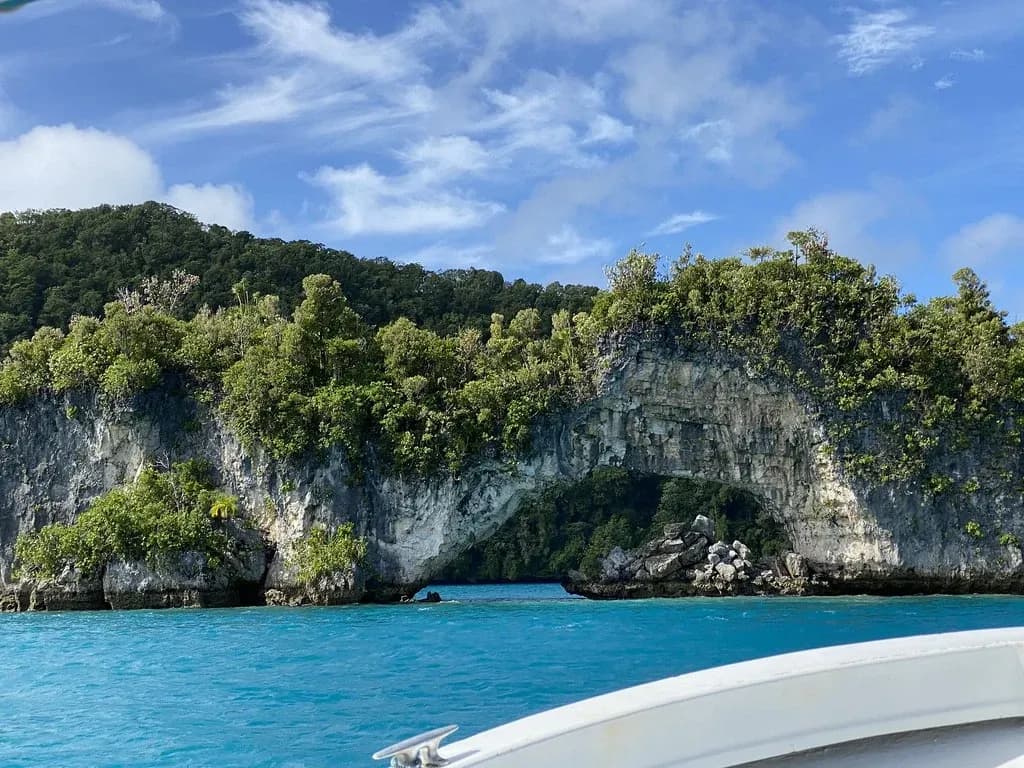
Jellyfish Lake, a marine lake cut off from the ocean for thousands of years, holds millions of golden jellyfish that evolved to lose most of their sting once their predators disappeared — one reason Palau has built its entire tourism identity around protecting the water it sits in, including a legally required pledge every visitor signs on arrival.
See full guide →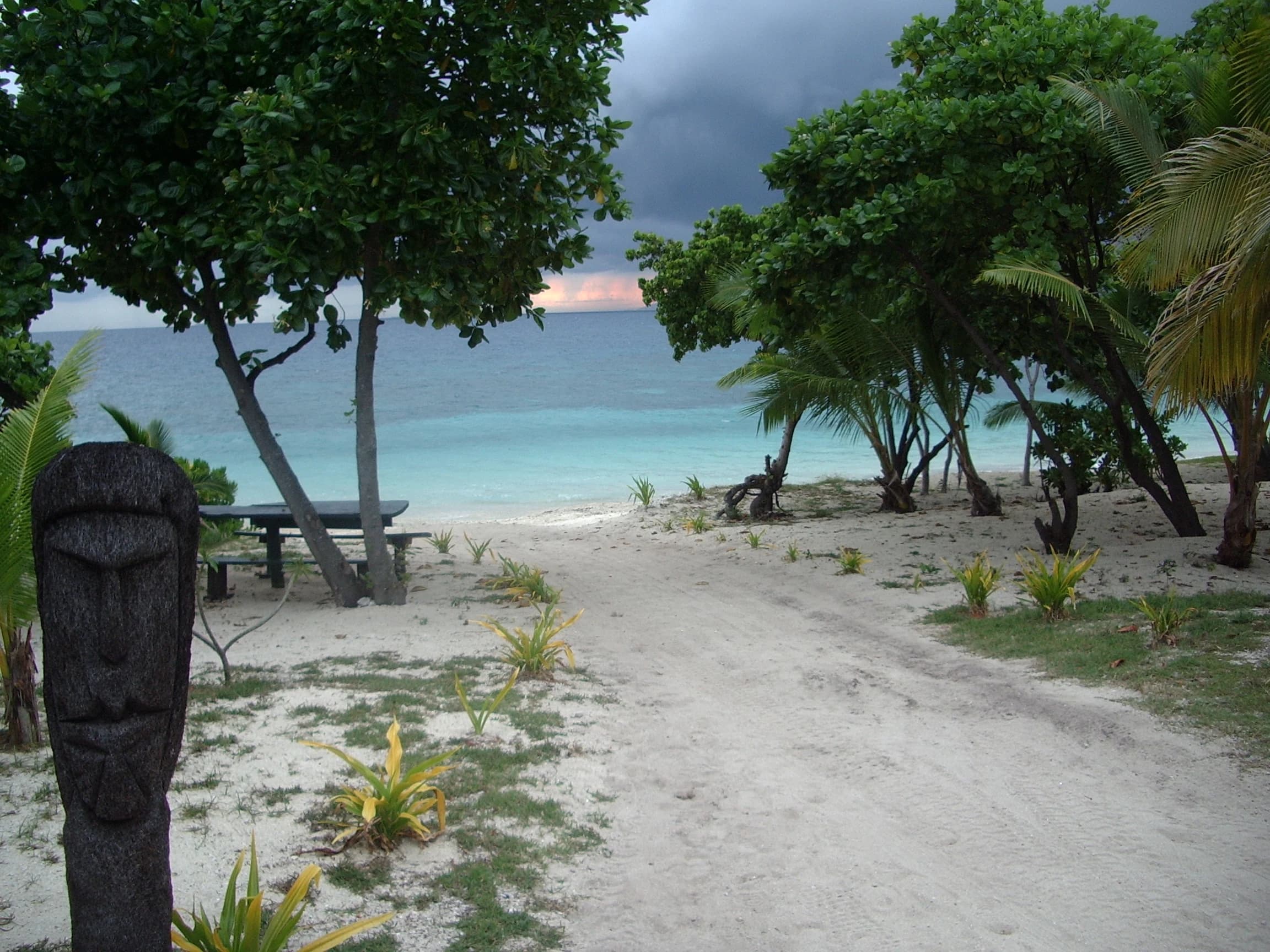 Nadi
NadiNadi
Fiji
Fiji is made up of more than 300 islands, and Nadi, the main international gateway, welcomes nearly every visitor with the same ritual — a kava ceremony, sharing a mildly numbing, earthy drink made from ground pepper root that's held real cultural and social weight in Fijian communities for centuries.
See full guide →Comparing more than one route? See the full transport comparison guide.