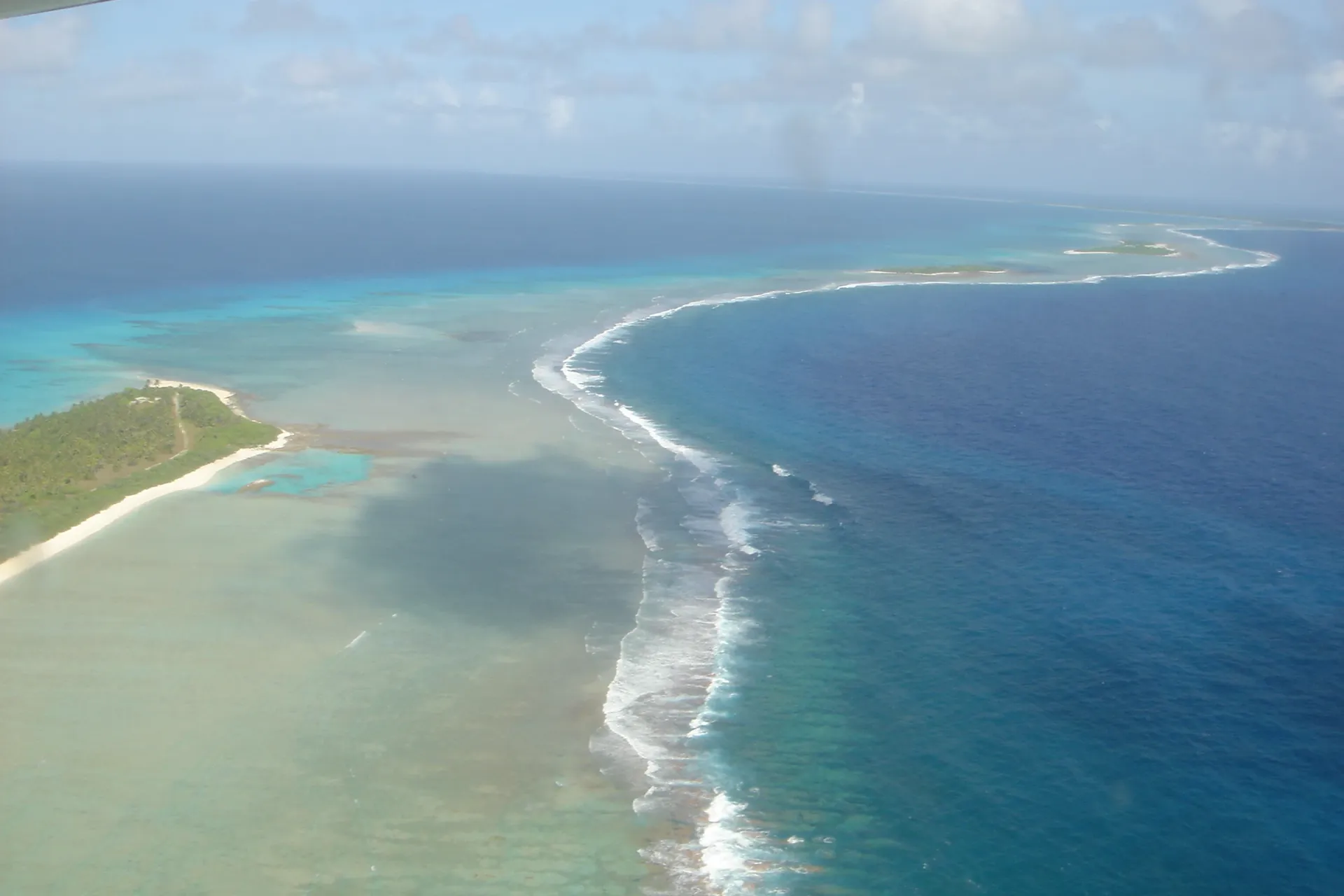
Marshall Islands · Oceania
Bikini Atoll
The United States detonated 23 nuclear weapons at Bikini Atoll between 1946 and 1958, including the largest bomb it has ever tested, and UNESCO now lists the atoll as a World Heritage Site specifically as a reminder of that history — a remote lagoon where wreck divers now explore sunken WWII-era warships deliberately placed to measure a blast's destructive force.
The United States relocated Bikini Atoll's residents in 1946, telling them the move was temporary and in the interest of "all mankind," before conducting 23 nuclear weapons tests at the atoll over the following twelve years. The 1954 Castle Bravo test alone released roughly 1,000 times the explosive force of the bomb dropped on Hiroshima, remaining the largest nuclear detonation the United States has ever carried out and contaminating a far wider area than planners had anticipated.
UNESCO added Bikini Atoll to its World Heritage list in 2010, an unusual designation explicitly framed around preserving the memory of nuclear testing's Cold War history rather than celebrating a cultural or natural achievement. The listing acknowledges both the technological significance of the tests and the profound, lasting displacement they caused for Bikini's original residents, who have never been able to permanently return home.
Beneath the lagoon's surface, a fleet of decommissioned WWII-era warships, deliberately anchored there as targets to measure blast damage, still rests on the seafloor largely intact. The aircraft carrier USS Saratoga sits upright, one of the largest diveable shipwrecks in the world, its scale and condition drawing wreck-diving specialists willing to make the considerable journey required to reach it.
That journey is genuinely demanding. Access runs exclusively through a small number of licensed liveaboard dive operators, typically departing from Majuro, the Marshall Islands' capital, on multi-day charters that combine the diving itself with the logistics of reaching one of the most remote and historically loaded diving destinations on Earth. There's no regular tourism infrastructure on the atoll itself, and current radiological assessments guide what activities are considered safe for the length of a typical visit.
Bikini Atoll occupies an unusual place among diving destinations, a site defined as much by its history as by what's actually underwater, a reminder that the Pacific's WWII and Cold War past isn't confined to museums but remains physically present, sunk and half-forgotten, in some of its most remote corners.
What a trip here actually costs
$700 / day avg.
- Liveaboard dive vessel cabin
- Multi-day wreck diving package
- All meals and dive gear included
- Charter transport from Majuro
What to do at this tier
- • Wreck diving on the USS Saratoga and other target fleet ships
- • Guided historical briefing on Bikini's nuclear testing history
- • Liveaboard charter covering multiple wreck sites within the lagoon
These are average estimates for planning purposes, not real-time prices — actual costs vary by season, availability, and how far ahead you book.
How to get there
Click anywhere on the world map — any airport works, not just our main hubs.
Click anywhere on the map above — any airport in the world works — to see estimated travel time and cost from there.
Times and prices are planning estimates, not live fares — always check a booking site before you commit. See the full Transport Comparison guide for the general tradeoffs of each mode.
Best time to visit
December-April brings the calmest seas for the liveaboard journey and diving conditions; trips are limited and scheduled around specific operator charters.
Safety notes
Access is tightly controlled through licensed operators who monitor radiological conditions; independent or unplanned visits aren't realistic given the remoteness and lack of infrastructure.
Visa & currency
US dollar (USD), the currency of the Marshall Islands. Most nationalities can enter visa-free for short tourist stays, arranged through the dive operator handling logistics.
Questions people ask before visiting
Is Bikini Atoll safe to visit?
Short visits for diving, arranged through licensed liveaboard operators, are considered safe by current radiological assessments, though the islands themselves remain uninhabited and the original residents have never been able to permanently resettle due to lingering contamination concerns.
What happened at Bikini Atoll?
The United States relocated Bikini's residents in 1946 and conducted 23 nuclear weapons tests at the atoll through 1958, including the 1954 Castle Bravo test, the largest nuclear detonation the US has ever carried out. UNESCO lists the atoll as a World Heritage Site specifically to preserve that Cold War history.
What can you dive at Bikini Atoll?
The lagoon holds a fleet of WWII-era warships, including the aircraft carrier USS Saratoga, deliberately anchored there as targets to measure the effects of nuclear blasts, now resting on the seafloor and accessible to advanced wreck divers on specialized liveaboard trips.
How do you get to Bikini Atoll?
Access is limited to a small number of specialized liveaboard dive operators running multi-day charters, typically departing from Majuro, the Marshall Islands' capital, since there's no regular commercial transport or tourism infrastructure on the atoll itself.
Nearby destinations
 Chuuk
ChuukChuuk
Micronesia
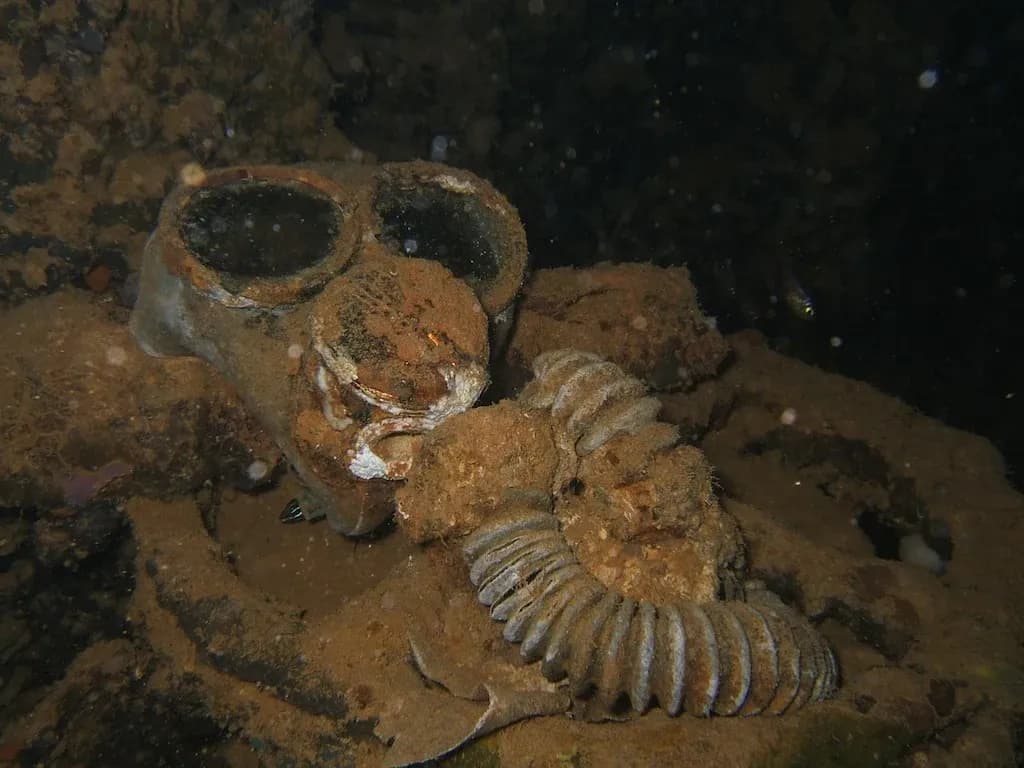
In February 1944, US forces sank more than 60 Japanese ships in a single surprise air raid on Chuuk Lagoon, and most of that fleet still sits on the seafloor today, cargo, planes, and personal effects intact, making this remote stretch of Micronesia one of the largest and most complete wreck-diving sites anywhere in the world.
See full guide →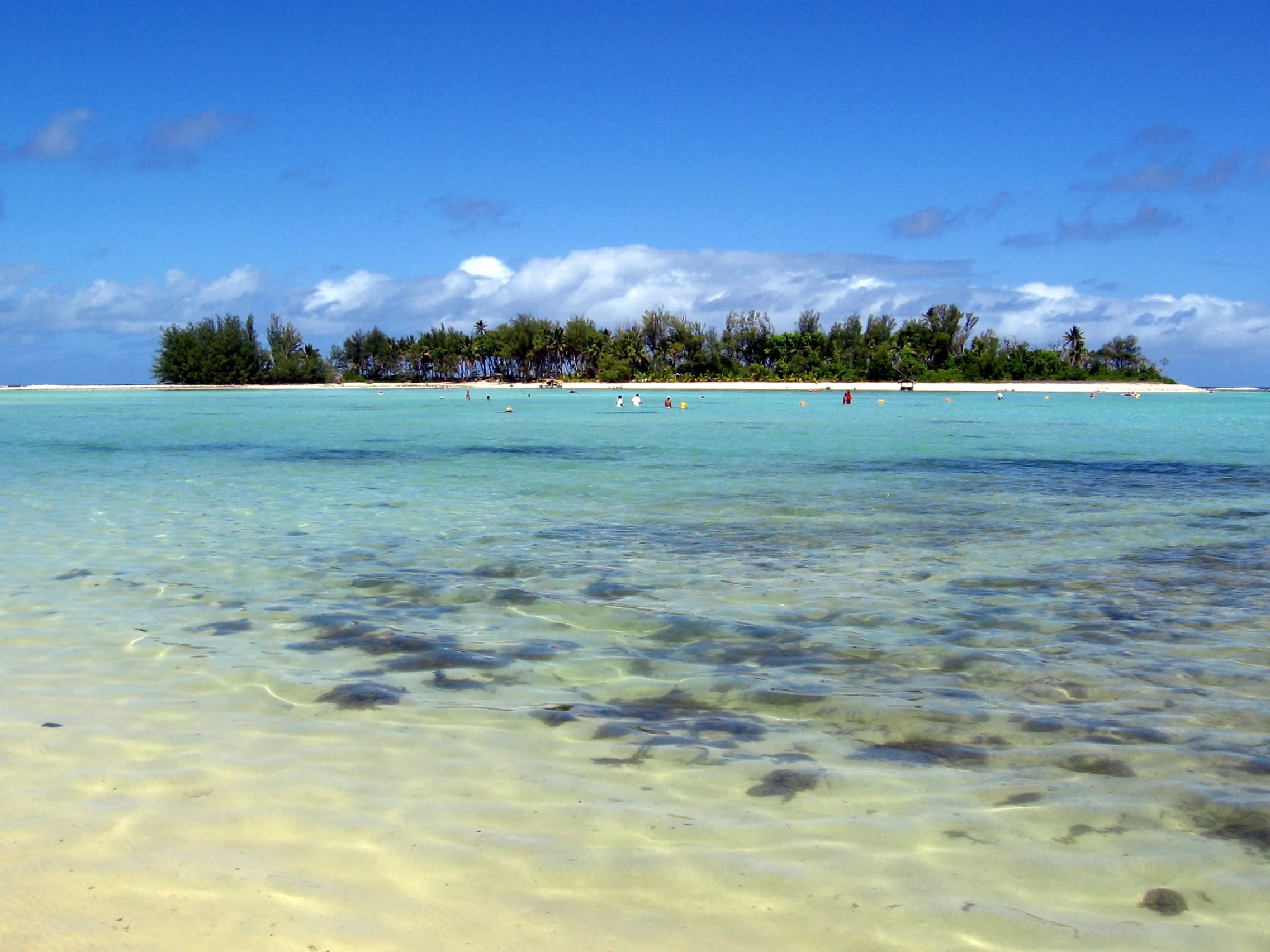 Rarotonga
Rarotonga
Cook Islands
The Cook Islands have no traffic lights on their main island, and Rarotonga's single coastal road circles the entire place in about 32 kilometers — a country self-governing in free association with New Zealand, small and slow-paced enough that most visitors genuinely lose track of what day it is by the third afternoon.
See full guide →Comparing more than one route? See the full transport comparison guide.