New Zealand · Oceania
Wanaka
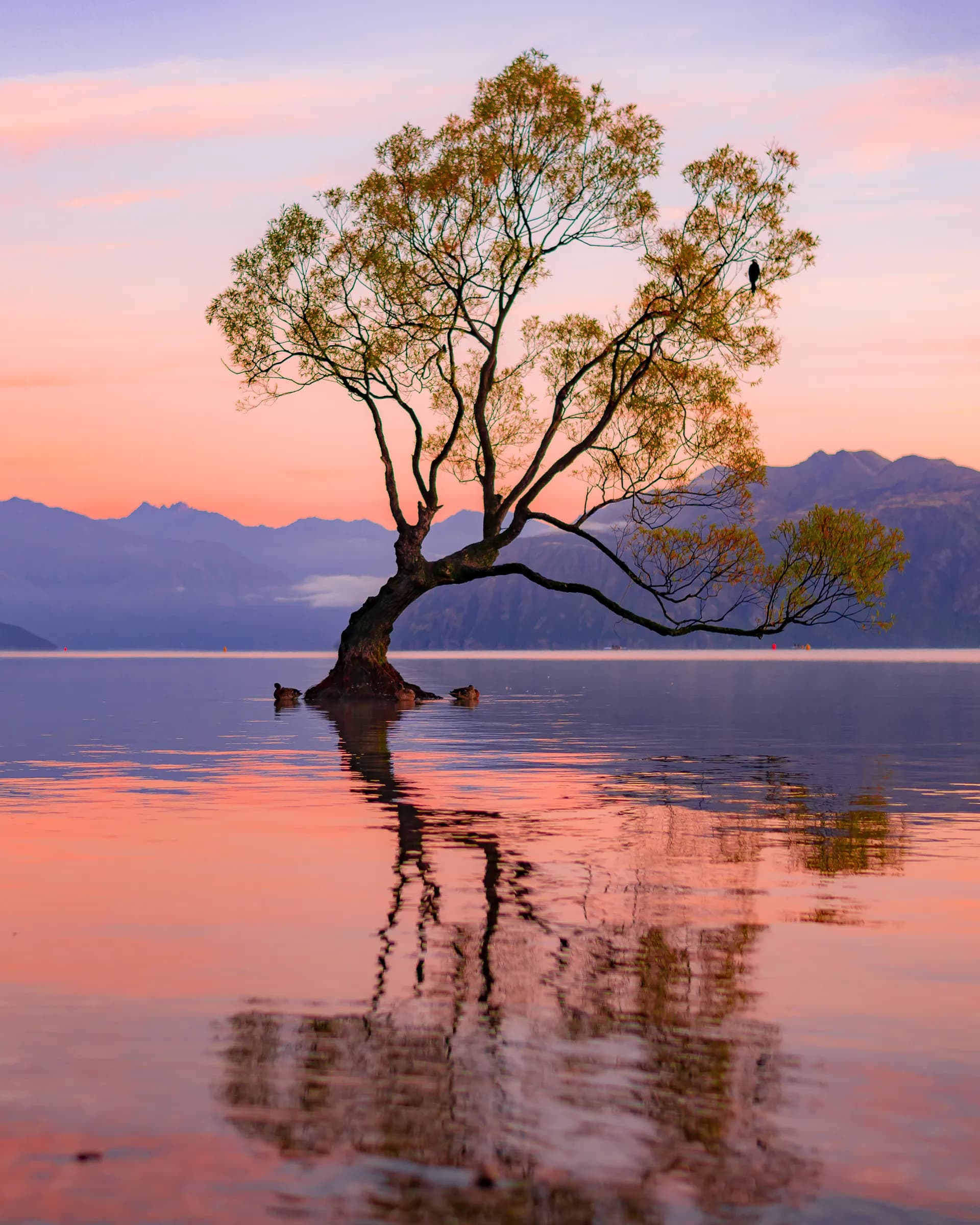
A single willow tree growing improbably out of Lake Wanaka has become one of the most photographed trees on Earth, an accidental landmark that says more about this town's real draw, mountains dropping straight into glacial water, than any deliberate monument could.
The tree has no official name beyond the one the internet gave it, no plaque, no protected status, nothing marking it as anything other than a willow that took root from a fence post left standing in the shallows of Lake Wanaka sometime in the 1930s. That anonymity is part of what made "That Wanaka Tree" into one of the most photographed trees on the planet, a single gnarled trunk rising out of still water with the Southern Alps behind it, requiring no ticket, no trail, no explanation.
The tree draws the crowds, but Roys Peak explains why people stay longer than a day. The hike climbs roughly 1,200 meters over a relentless switchback track with essentially no shade, a five-to-six-hour round trip for the full summit, though most hikers turn around at the main lookout roughly two-thirds of the way up, where Lake Wanaka spreads out below in a view that regularly ranks among New Zealand's most reproduced hiking photographs.
Wanaka exists in Queenstown's shadow in most travel planning, the smaller, quieter alternative forty-five minutes down the road, and that comparison undersells what it actually offers on its own terms. The lake and mountain scenery holds up against its more famous neighbor without matching Queenstown's density of bungee operators, bars, and tour buses, a genuine trade worth making for travelers who'd rather hike in relative solitude than queue for adrenaline activities.
Mount Aspiring National Park sits within easy driving range, and the Rob Roy Glacier track inside it delivers a different kind of payoff than Roys Peak, a forest walk climbing steadily toward hanging glaciers and waterfalls rather than a single wide lake panorama. Between the two hikes, Wanaka covers both major registers of South Island scenery within a single short stay.
Winter flips the town's identity almost entirely, ski season turning Wanaka into a base for Cardrona and Treble Cone rather than a lakefront hiking hub, and the town handles that seasonal switch with a kind of practiced ease that comes from decades of doing exactly this. Whichever season a visit lands in, the tree is still there, still leafless in winter and full in summer, entirely indifferent to its own fame.
What a trip here actually costs
$75 / day avg.
- Hostel dorm or budget motel
- Self-catered meals
- Roys Peak hike and lakefront walk, free
- That Wanaka Tree viewpoint, free
What to do at this tier
- • That Wanaka Tree at sunrise, free
- • Roys Peak hike, free
- • Lake Wanaka lakefront walk, free
$165 / day avg.
- Lakefront motel or Airbnb
- Rental car
- Café and restaurant meals
- Mount Aspiring National Park day trip
What to do at this tier
- • Mount Aspiring National Park scenic drive
- • Rob Roy Glacier day hike
- • Puzzling World visit
These are average estimates for planning purposes, not real-time prices — actual costs vary by season, availability, and how far ahead you book.
How to get there
Click anywhere on the world map — any airport works, not just our main hubs.
Click anywhere on the map above — any airport in the world works — to see estimated travel time and cost from there.
Times and prices are planning estimates, not live fares — always check a booking site before you commit. See the full Transport Comparison guide for the general tradeoffs of each mode.
Best time to visit
December-March for hiking and lake weather; June-September for skiing at nearby Cardrona and Treble Cone.
Safety notes
Roys Peak has no shade or water sources on trail; carry sufficient water and start early in summer to avoid the worst midday heat.
Visa & currency
New Zealand dollar (NZD). Standard New Zealand visa requirements apply based on passport.
Questions people ask before visiting
What is 'That Wanaka Tree'?
A willow tree growing from a submerged fence post at the edge of Lake Wanaka, likely planted or self-seeded in the 1930s, that's become one of the most photographed trees in the world through social media, despite having no official name or protected status.
Is Wanaka better than Queenstown?
They're different registers of the same region. Queenstown has more nightlife, adventure sport operators, and crowds; Wanaka is smaller, quieter, and generally cheaper, with comparable mountain and lake scenery and easier access to hikes like Roys Peak without the same volume of tour buses.
How hard is the Roys Peak hike?
The full return trip runs about 16 kilometers with roughly 1,200 meters of elevation gain, taking five to six hours, entirely on a well-maintained but relentless switchback track with no shade. The main lookout, about two-thirds of the way up, is reachable by most fit hikers without continuing to the true summit.
What's the best time to visit Wanaka?
December-March offers the warmest weather for hiking and lake activities, while June-September turns the region into a ski base for nearby Cardrona and Treble Cone, making Wanaka a genuine year-round destination depending on what visitors come for.
Nearby destinations
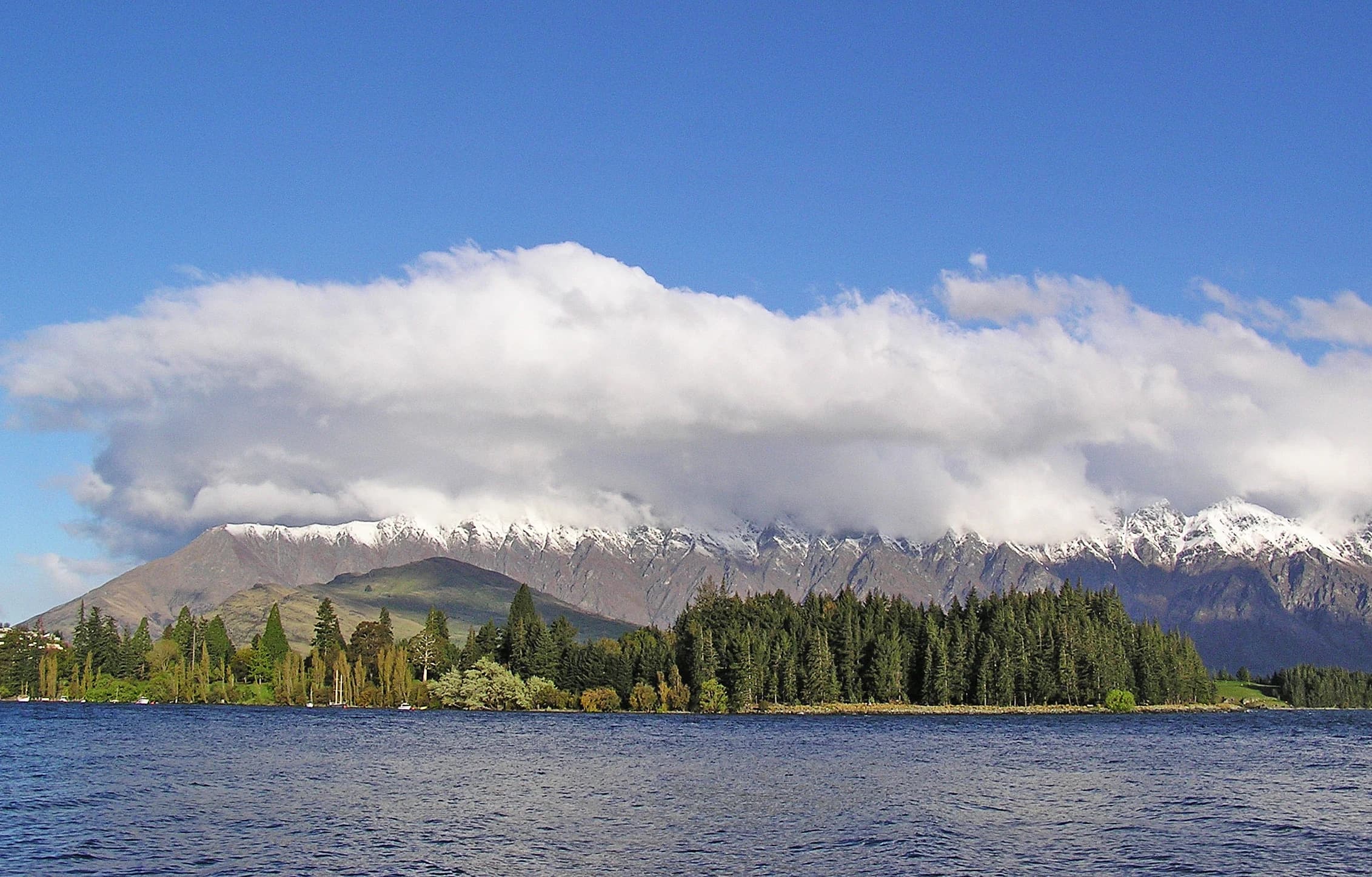 Queenstown
Queenstown
New Zealand
Commercial bungy jumping was invented right here — AJ Hackett's first jump off the Kawarau Bridge in 1988 turned Queenstown into what's now genuinely called the adventure capital of the world, and that same bridge still runs bungy jumps today, largely unchanged since the sport's invention.
See full guide →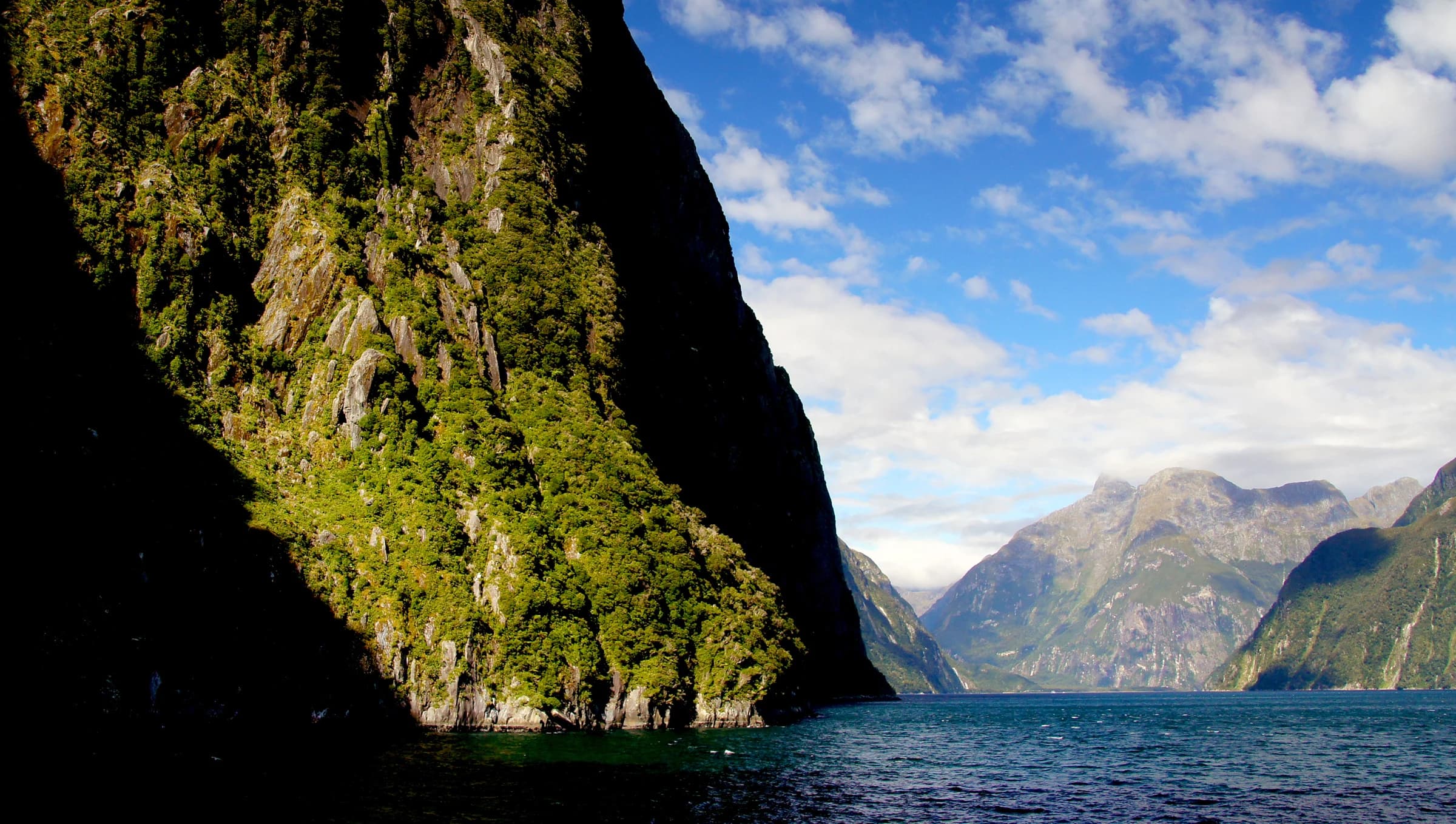 Milford Sound
Milford Sound
New Zealand
Rudyard Kipling once called Milford Sound the eighth wonder of the world, and he said it about a place that also happens to be one of the wettest inhabited spots in New Zealand — the fiord gets drenched in rain most of the year, and somehow that's part of what makes it look the way it does, waterfalls appearing down sheer cliff faces after every serious downpour.
See full guide →Comparing more than one route? See the full transport comparison guide.