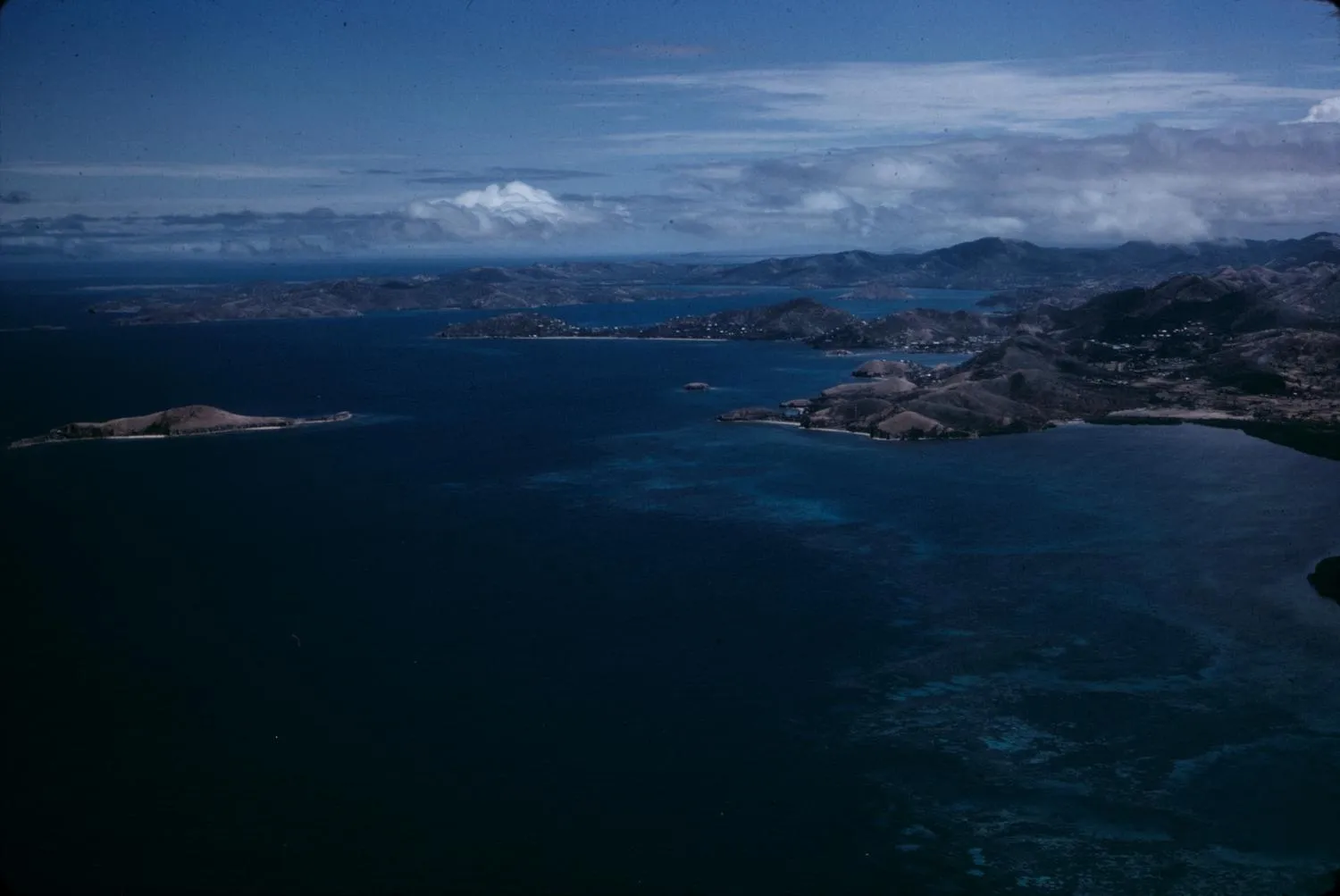
Papua New Guinea · Oceania
Port Moresby
The Kokoda Track begins outside Port Moresby and climbs 96 kilometers of jungle ridgeline that stopped a Japanese invasion force in 1942, one of the Pacific War's defining campaigns, fought over terrain so punishing that modern trekkers with proper gear and porters still take up to twelve days to complete what soldiers crossed while fighting.
The Kokoda Track exists in Australian national memory the way Gallipoli does, a defining, costly campaign that shaped how the country understands its own military history. In 1942, Japanese forces pushed toward Port Moresby along this exact jungle ridgeline, and Australian troops, alongside Papua New Guinean carriers who hauled supplies and evacuated wounded soldiers through terrain that defeated vehicles entirely, fought a months-long retreat-then-advance campaign that ultimately stopped the Japanese advance short of the capital.
Trekking it today means engaging with that history directly rather than reading about it at a remove. The 96-kilometer route climbs and drops repeatedly through dense jungle, river crossings, and steep, often mud-slick ridgelines, and modern trekkers carrying a fraction of a soldier's load, with licensed porters and guides required by track regulations, still typically need eight to twelve days to finish it. Memorials at villages along the way mark specific battle sites, giving the physical difficulty of the trek a direct, unavoidable historical weight.
Port Moresby itself, the necessary staging point for any Kokoda trek, carries a safety reputation that's worth addressing honestly rather than glossing over. The city has documented high rates of violent crime, and most government travel advisories recommend visitors exercise heightened caution, arrange trusted transport rather than walking, particularly after dark, and avoid displaying valuables in public. Many visitors treat the city primarily as a logistics base, arriving to organize their trek through an established operator and departing directly for the track rather than spending extended unstructured time exploring independently.
That caution shouldn't obscure what the wider region offers beyond the immediate city center. Varirata National Park, a short drive from Port Moresby, gives visitors a controlled, accessible way to experience Papua New Guinea's rainforest and birdlife, including birds of paradise, without the logistics of a full Kokoda expedition. The National Museum and Art Gallery similarly offers a concentrated, secure introduction to Papua New Guinea's extraordinary cultural diversity, home to over 800 living languages, before or after a trek.
Papua New Guinea remains one of the least-visited countries in the Pacific by international tourists, a combination of safety perceptions, genuine logistical difficulty, and limited tourism infrastructure outside a handful of established operators. For travelers who do the necessary planning, working with licensed guides, booking secure transport, and treating Port Moresby as a gateway rather than a destination in itself, the Kokoda Track delivers one of the most historically weighted treks anywhere in the world.
What a trip here actually costs
$190 / day avg.
- Hotel in Port Moresby pre/post trek
- Guided Kokoda Track trek with porters, averaged per day
- Trail meals during trek
- Airport and hotel transfers by arranged driver
What to do at this tier
- • Guided Kokoda Track trek
- • National Museum and Art Gallery of Papua New Guinea
- • Parliament Haus visit
- • Varirata National Park day trip
These are average estimates for planning purposes, not real-time prices — actual costs vary by season, availability, and how far ahead you book.
How to get there
Click anywhere on the world map — any airport works, not just our main hubs.
Click anywhere on the map above — any airport in the world works — to see estimated travel time and cost from there.
Times and prices are planning estimates, not live fares — always check a booking site before you commit. See the full Transport Comparison guide for the general tradeoffs of each mode.
Best time to visit
June-September is the dry season and the standard Kokoda trekking window; the wet season makes the track significantly more difficult and dangerous.
Safety notes
Exercise heightened caution in Port Moresby itself; use arranged, trusted transport rather than walking, avoid displaying valuables, and book Kokoda treks only through licensed, reputable operators.
Visa & currency
Papua New Guinean kina (PGK). Most nationalities require a visa arranged in advance; confirm current requirements based on passport before booking.
Questions people ask before visiting
Is Port Moresby safe to visit?
Port Moresby has a reputation for high crime rates, including violent crime, and most travel advisories recommend heightened caution, avoiding walking alone especially after dark, and arranging trusted transport in advance. Many visitors pass through primarily to organize a guided Kokoda Track trek rather than spending extended time exploring the city independently.
How long does the Kokoda Track take to trek?
Most guided treks take eight to twelve days to cover the 96-kilometer track, depending on fitness, weather, and the specific itinerary, crossing steep, muddy jungle ridgelines that demand a genuine level of physical preparation well beyond casual hiking experience.
Do you need a guide for the Kokoda Track?
Yes, effectively. Licensed local guides and porters are required by track regulations, and beyond the legal requirement, local knowledge of terrain, river crossings, and villages along the route is essential given the track's remoteness and the lack of reliable signage or emergency infrastructure.
What happened on the Kokoda Track in World War II?
Australian forces, alongside Papua New Guinean carriers and fighters, fought a grueling months-long campaign against advancing Japanese troops in 1942, ultimately halting the Japanese push toward Port Moresby in brutal jungle conditions. The campaign remains a defining moment in Australian military history and is honored along the track with memorials at several villages.
Nearby destinations
 Honiara
Honiara
Solomon Islands
The waters off Honiara earned the nickname "Iron Bottom Sound" from the sheer number of warships sunk during the WWII Battle of Guadalcanal, a turning point in the Pacific campaign, and rusted wrecks, planes, and battle sites from that fighting still surface around a capital spread across nearly 1,000 islands and over 70 distinct languages.
See full guide →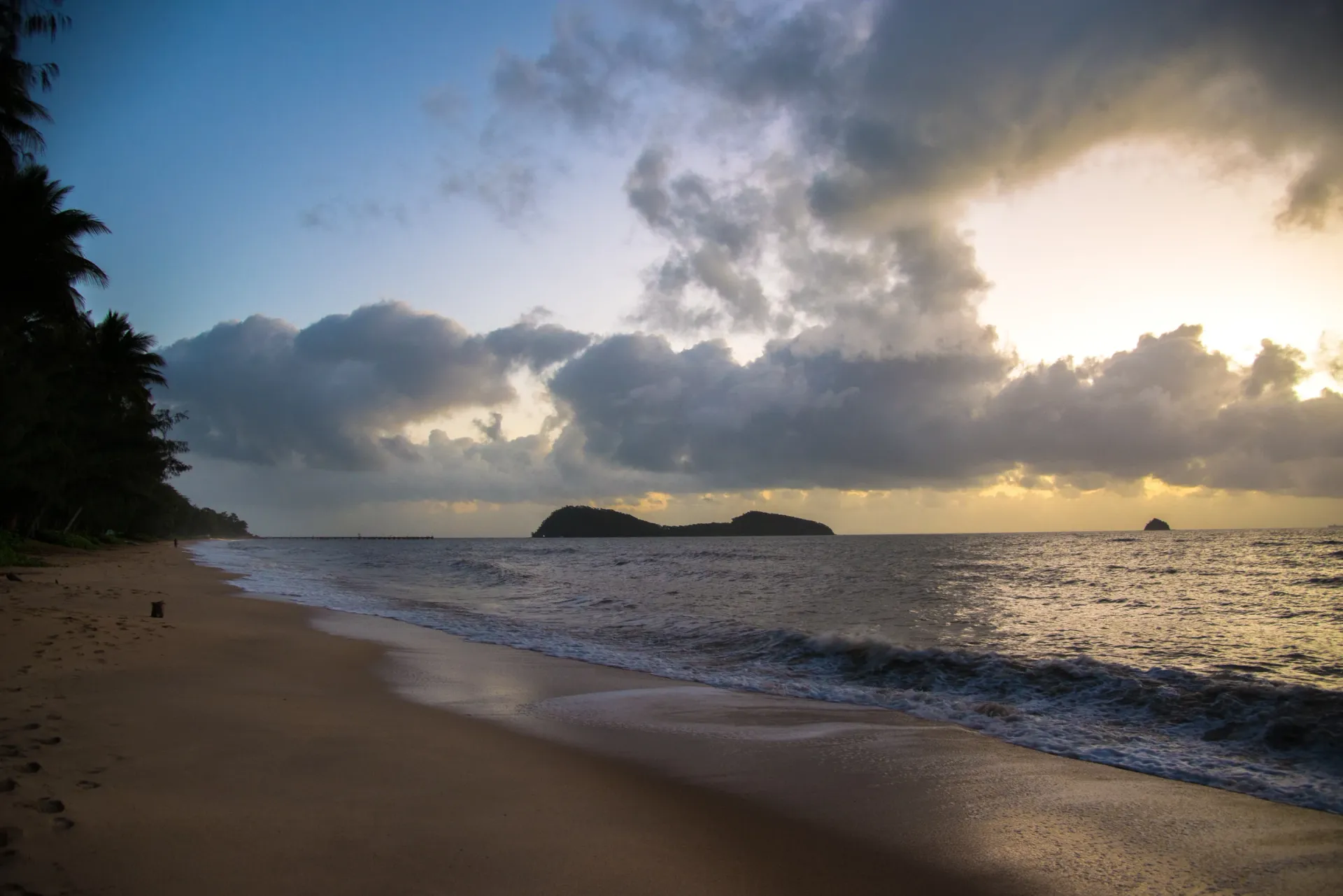 Cairns
Cairns
Australia
Cairns is the only place on Earth where two UNESCO World Heritage sites touch each other directly — the Great Barrier Reef meeting the Daintree Rainforest, a stretch of rainforest that's survived roughly 180 million years, making it older than flowering plants and the oldest continuously surviving tropical rainforest anywhere in the world.
See full guide →Comparing more than one route? See the full transport comparison guide.