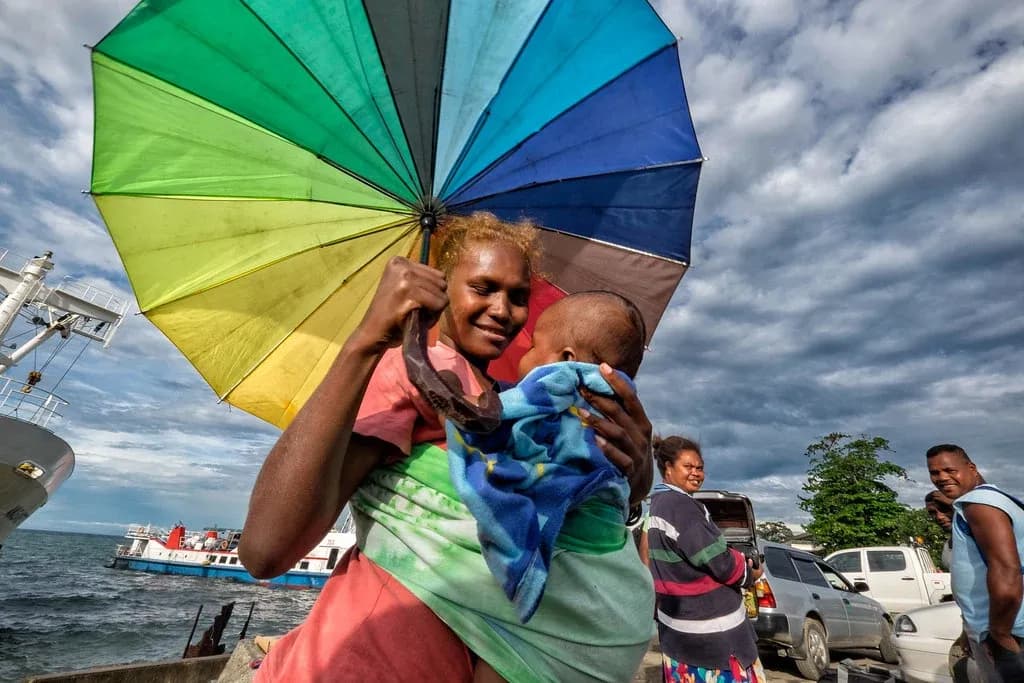
Solomon Islands · Oceania
Honiara
The waters off Honiara earned the nickname "Iron Bottom Sound" from the sheer number of warships sunk during the WWII Battle of Guadalcanal, a turning point in the Pacific campaign, and rusted wrecks, planes, and battle sites from that fighting still surface around a capital spread across nearly 1,000 islands and over 70 distinct languages.
The waters off Honiara carry the nickname "Iron Bottom Sound," a name earned during the WWII Battle of Guadalcanal, when a series of naval engagements between Allied and Japanese forces in 1942 and 1943 sank dozens of warships in a relatively contained stretch of ocean. The battle marked a genuine turning point in the Pacific campaign, the first major Allied offensive against Japan, and the fighting on and around Guadalcanal remains one of the most significant chapters of the entire Pacific War.
That history stays visible around Honiara in a way few other former battle sites still allow. The Vilu War Museum, an open-air collection assembled from wreckage recovered across the island, displays crashed aircraft and abandoned tanks largely as they were found, weathered by decades of exposure rather than restored for display. Battle sites like Bloody Ridge, where a pivotal engagement held off a major Japanese assault in 1942, remain accessible for visitors willing to walk the actual ground where the fighting happened.
Beneath Iron Bottom Sound, many of the sunken warships remain accessible to divers, offering wreck diving on a genuinely historic scale, though with less established tourism infrastructure than more famous Pacific wreck sites. The relative lack of development here means many wrecks see far fewer visitors than comparable sites elsewhere in the region.
Beyond its wartime history, the Solomon Islands holds an extraordinary level of linguistic diversity, with over 70 distinct languages spoken across roughly 1,000 islands, one of the highest concentrations of linguistic diversity per capita anywhere in the world. Solomon Islands Pijin serves as a shared common language across that diversity, and visitors moving between different islands or communities encounter a genuinely wide range of customs and traditions within a relatively small overall population.
Honiara itself functions primarily as a practical base for exploring this wider history and geography rather than a destination built around resorts or polished tourist infrastructure. That rawness is, for many visitors, exactly the appeal, a capital and country that hasn't been smoothed over for tourism in the way many other Pacific destinations have.
What a trip here actually costs
$40 / day avg.
- Guesthouse in Honiara
- Local minibus transport
- Local Solomon Islands restaurant meals
- Vilu War Museum, low entry fee
What to do at this tier
- • Vilu War Museum, an open-air collection of wrecked WWII planes and tanks
- • Central Market, free to browse
- • Bloody Ridge battle site walk, low or no entry fee
$100 / day avg.
- 3-star hotel
- Guided WWII battlefield and museum tour
- Wreck diving trip in Iron Bottom Sound
- Sit-down restaurant meals
What to do at this tier
- • Guided WWII battlefield tour covering Guadalcanal's major sites
- • Wreck diving in Iron Bottom Sound
- • Day trip to a nearby village to learn traditional customs
These are average estimates for planning purposes, not real-time prices — actual costs vary by season, availability, and how far ahead you book.
How to get there
Click anywhere on the world map — any airport works, not just our main hubs.
Click anywhere on the map above — any airport in the world works — to see estimated travel time and cost from there.
Times and prices are planning estimates, not live fares — always check a booking site before you commit. See the full Transport Comparison guide for the general tradeoffs of each mode.
Best time to visit
May-October is the drier season and the most comfortable for travel; the wet season runs roughly November-April with higher cyclone risk.
Safety notes
Generally safe in Honiara with standard precautions; infrastructure is limited outside the capital, so travel to outer islands benefits from local guides or organized tours.
Visa & currency
Solomon Islands dollar (SBD). Many nationalities can get a visa on arrival or enter visa-free for short tourist stays.
Questions people ask before visiting
Is Honiara worth visiting?
Yes for travelers interested in WWII history and diving — Honiara sits on Guadalcanal, site of a major turning-point battle in the Pacific War, with wreck dive sites in Iron Bottom Sound, open-air museums of battle relics, and a genuinely off-the-radar Pacific island atmosphere.
What is Iron Bottom Sound?
The stretch of water off Guadalcanal named for the enormous number of warships, both Allied and Japanese, sunk there during the WWII naval battles fought around the island in 1942 and 1943. Many of those wrecks remain accessible to divers today.
How linguistically diverse is the Solomon Islands?
Extremely — the country is home to over 70 distinct languages across its roughly 1,000 islands, one of the highest levels of linguistic diversity per capita anywhere in the world, alongside Solomon Islands Pijin as a common shared language.
How many days do you need in Honiara?
Two to three days covers the main WWII historical sites and the Vilu War Museum's open-air collection of wrecked planes and tanks. Many visitors extend further into the outer islands for diving or more remote travel.
Nearby destinations
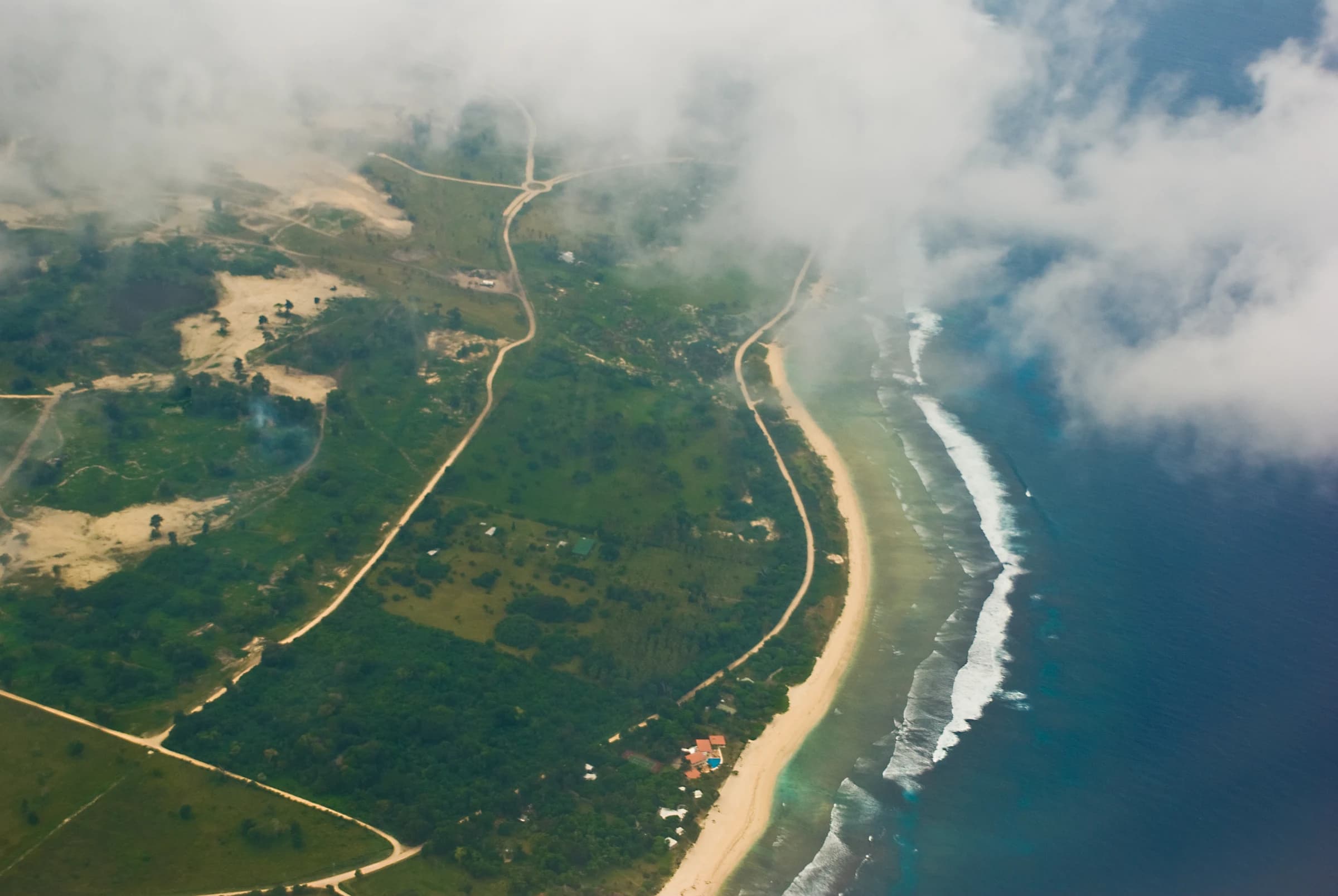 Port Vila
Port Vila
Vanuatu
Long before AJ Hackett turned bungy jumping into a global industry from a bridge near Queenstown, people on Vanuatu's Pentecost Island were diving off wooden towers with vines tied to their ankles — land diving, still practiced today, is widely considered the direct ancestor of modern bungy jumping, performed here for centuries before anyone thought to franchise it.
See full guide →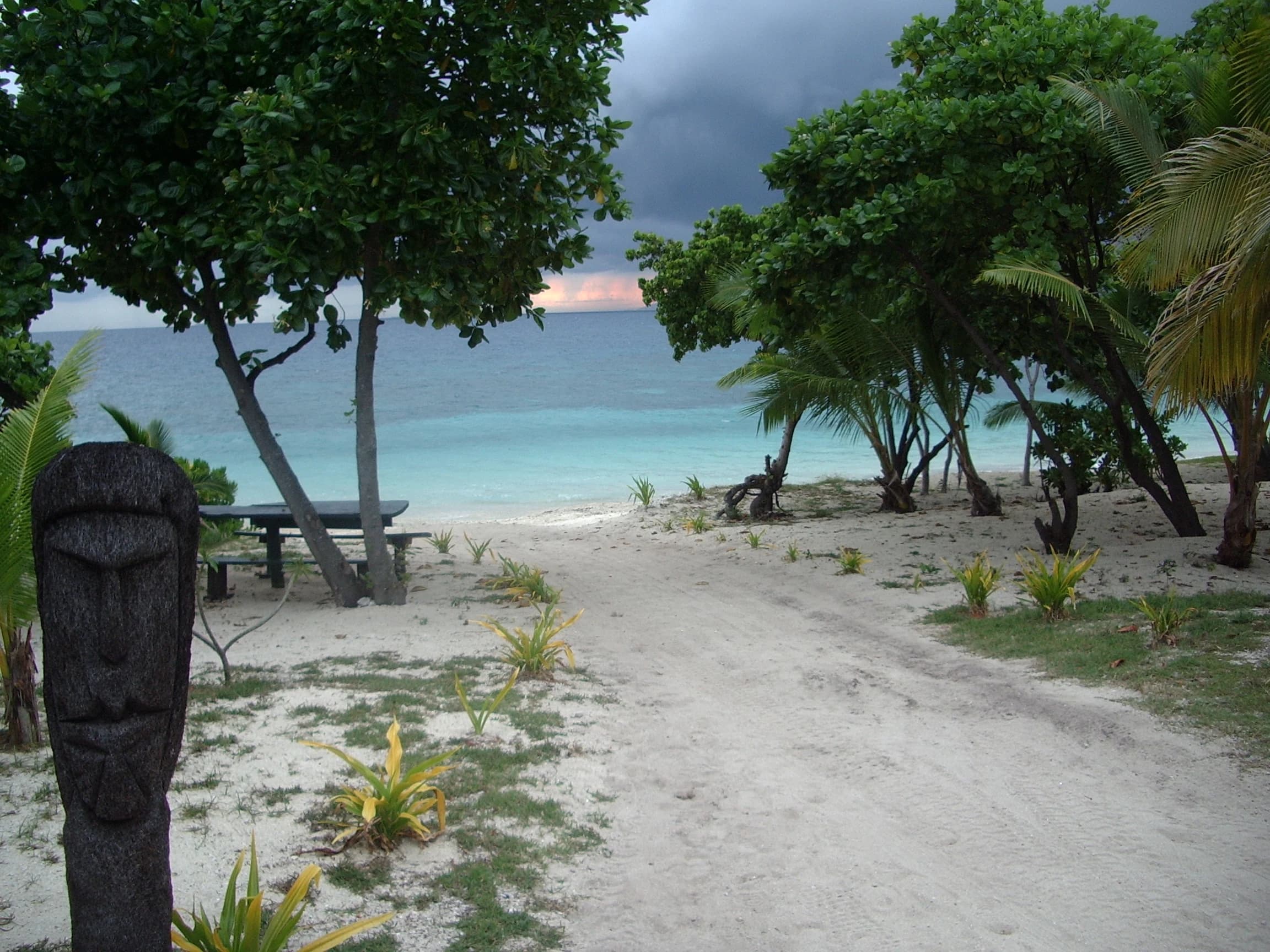 Nadi
NadiNadi
Fiji
Fiji is made up of more than 300 islands, and Nadi, the main international gateway, welcomes nearly every visitor with the same ritual — a kava ceremony, sharing a mildly numbing, earthy drink made from ground pepper root that's held real cultural and social weight in Fijian communities for centuries.
See full guide →Comparing more than one route? See the full transport comparison guide.