New Zealand · Oceania
Franz Josef Glacier
Franz Josef Glacier descends from the Southern Alps almost to sea level through temperate rainforest, an ecological pairing found in only a handful of places on Earth, and it's retreated so dramatically over the past decade that walking directly onto the ice from the valley floor, once routine, is no longer possible — heli-hikes are now the only way onto the glacier itself.
Franz Josef Glacier descends from the Southern Alps through temperate rainforest almost to sea level, a pairing of ice and lush, ferned forest found in only a handful of places on Earth. That proximity between two dramatically different ecosystems has long made it one of the most visually striking and accessible glaciers anywhere, historically reachable by a walk directly from the valley floor.
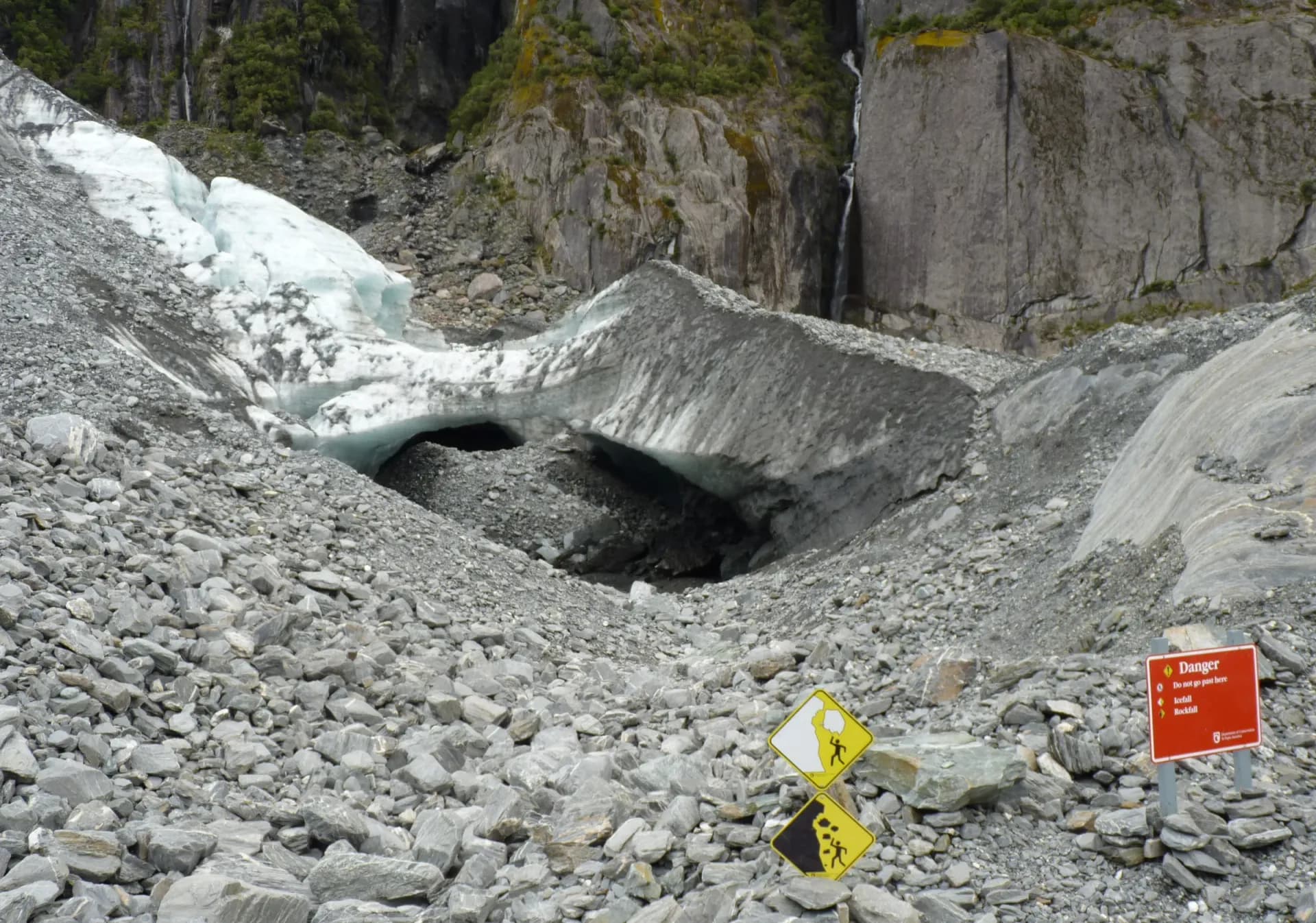
That accessibility has changed significantly over the past decade. The glacier's terminal face has retreated substantially, part of a broader pattern of glacial retreat linked to climate change, and the ice near the valley floor has become too unstable for guided walking access. Heli-hike tours, flying visitors directly onto safer, higher sections of the glacier by helicopter, are now the standard way to actually walk on the ice, a genuine shift from how the experience worked not so long ago.
Franz Josef has historically been known among glaciologists for unusually rapid advance-and-retreat cycles compared to most other glaciers worldwide, responding more quickly to short-term weather patterns even as its long-term trend, like glaciers globally, points toward significant retreat. That responsiveness has made it a frequently cited example in discussions of glacial change, a visible, measurable marker of shifting conditions rather than an abstract statistic.
The Glacier Valley Walk, a free public track leading toward a viewpoint of the glacier's terminal face, remains open and gives a sense of scale even without setting foot on the ice itself, winding through rainforest and past markers showing how far the glacier has retreated at different points in recorded history, a sobering, visible timeline along the walk.
After a day in the cold, the Franz Josef Hot Pools, naturally heated mineral pools set against a rainforest backdrop, offer a fitting way to close out a visit, one of the more straightforward pairings of alpine adventure and genuine relaxation found anywhere on New Zealand's South Island.
What a trip here actually costs
$180 / day avg.
- 3-star lodge in Franz Josef village
- Glacier valley walk to the viewpoint, free
- Franz Josef Hot Pools entry
- Local restaurant meals
What to do at this tier
- • Glacier Valley Walk to the public viewpoint, free
- • Franz Josef Hot Pools, entry fee
- • Sentinel Rock lookout walk, free
$450 / day avg.
- 4-star lodge with mountain views
- Heli-hike tour onto the glacier ice
- Scenic helicopter flight over the Southern Alps
- Private hot pools session
What to do at this tier
- • Heli-hike tour landing directly on the glacier ice
- • Scenic helicopter flight over the Southern Alps and glacier
- • Private hot pools session with mountain views
These are average estimates for planning purposes, not real-time prices — actual costs vary by season, availability, and how far ahead you book.
How to get there
Click anywhere on the world map — any airport works, not just our main hubs.
Click anywhere on the map above — any airport in the world works — to see estimated travel time and cost from there.
Times and prices are planning estimates, not live fares — always check a booking site before you commit. See the full Transport Comparison guide for the general tradeoffs of each mode.
Best time to visit
December-March offers the most stable weather for helicopter access, though this region sees rain year-round given its position on the wetter West Coast.
Safety notes
The glacier valley itself carries rockfall and flash flood risk, so stay within marked areas; helicopter tours can be canceled on short notice due to weather, so build flexibility into your itinerary.
Visa & currency
New Zealand dollar (NZD). Most nationalities need a New Zealand Electronic Travel Authority (NZeTA) arranged online before arrival.
Questions people ask before visiting
Is Franz Josef Glacier worth visiting?
Yes — Franz Josef remains one of the most accessible glaciers in the world, descending from the Southern Alps through temperate rainforest almost to sea level, though visiting the ice itself now requires a heli-hike rather than a valley-floor walk due to significant retreat over the past decade.
Can you still walk on Franz Josef Glacier?
Not from the valley floor anymore — the glacier's terminal face has retreated too far and become too unstable for guided walking access from below, a significant change from a decade or two ago. Heli-hike tours, flying visitors directly onto safer, higher sections of ice, are now the standard way to walk on the glacier.
Why has Franz Josef Glacier retreated so much?
Like most glaciers worldwide, Franz Josef has retreated substantially due to climate change, though it's also historically known for unusually rapid advance-and-retreat cycles compared to other glaciers, making it a frequently cited example in discussions of glacial change.
How many days do you need at Franz Josef?
One to two days covers a heli-hike or scenic flight over the glacier and a soak in the nearby hot pools, which suits most visitors passing through as part of a wider South Island road trip.
Nearby destinations
 Queenstown
Queenstown
New Zealand
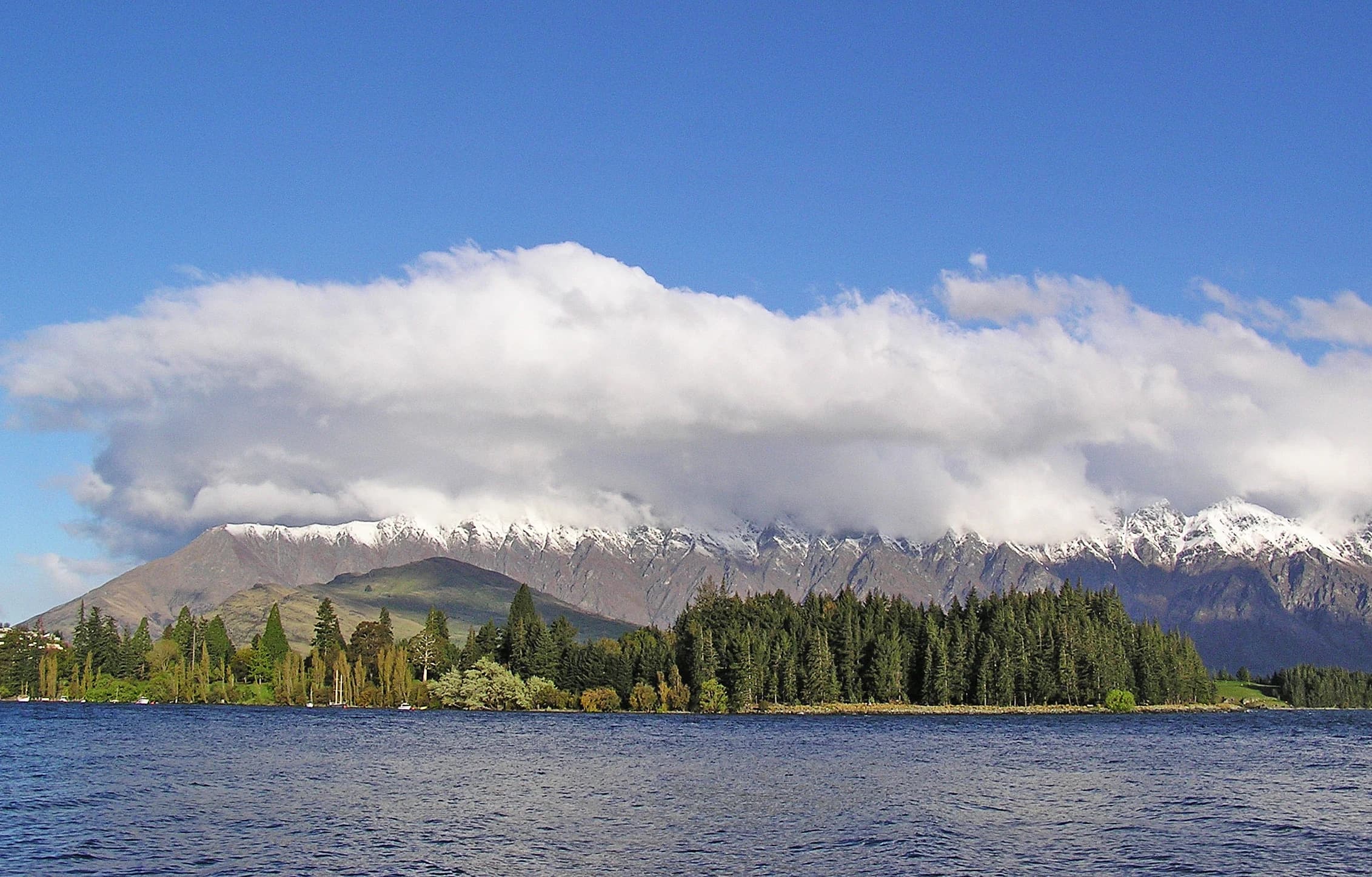
Commercial bungy jumping was invented right here — AJ Hackett's first jump off the Kawarau Bridge in 1988 turned Queenstown into what's now genuinely called the adventure capital of the world, and that same bridge still runs bungy jumps today, largely unchanged since the sport's invention.
See full guide →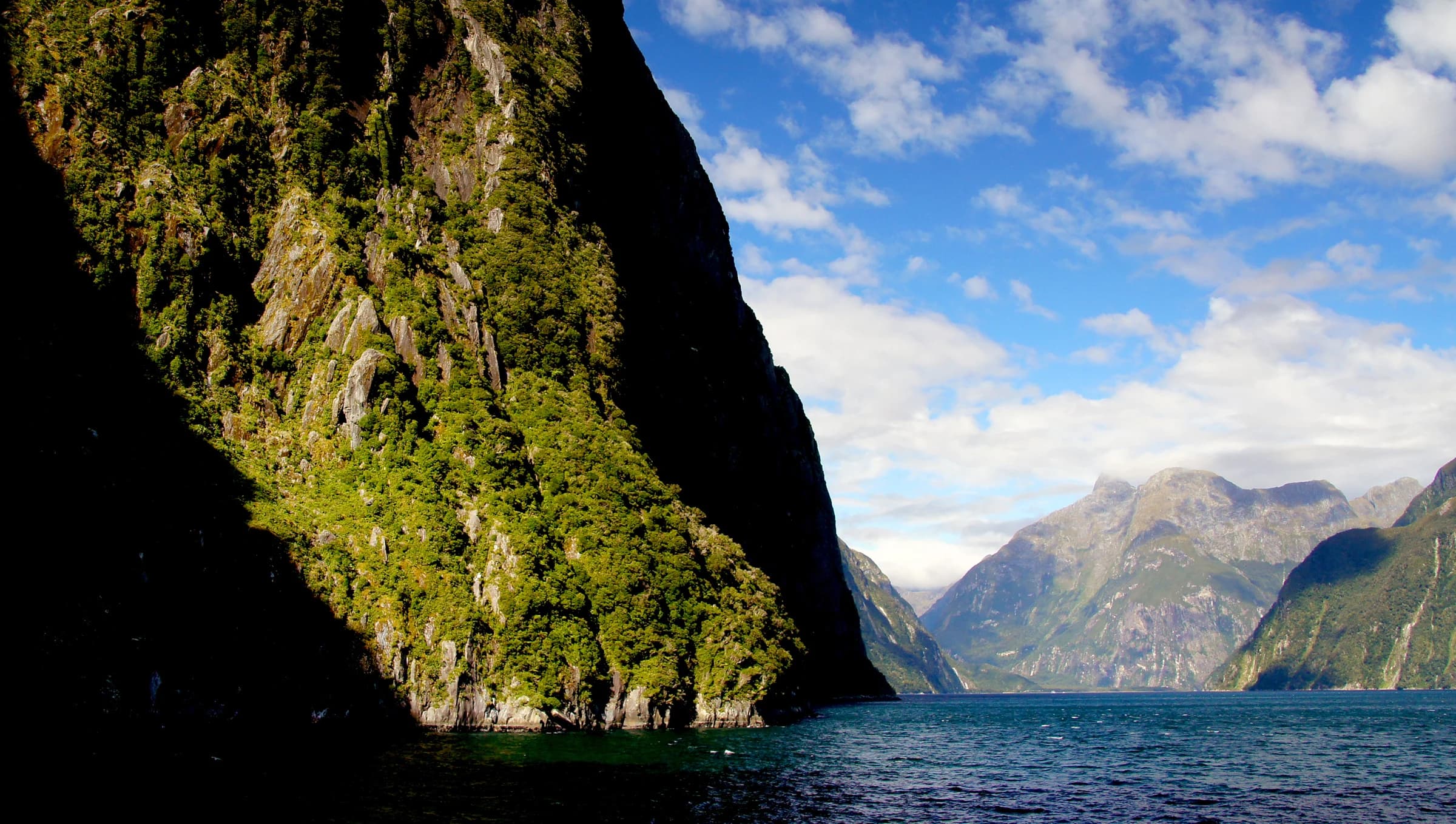 Milford Sound
Milford Sound
New Zealand
Rudyard Kipling once called Milford Sound the eighth wonder of the world, and he said it about a place that also happens to be one of the wettest inhabited spots in New Zealand — the fiord gets drenched in rain most of the year, and somehow that's part of what makes it look the way it does, waterfalls appearing down sheer cliff faces after every serious downpour.
See full guide →Comparing more than one route? See the full transport comparison guide.