Australia · Oceania
Alice Springs
Alice Springs exists largely because of an 1870s telegraph relay station, built to keep signals from fading across the enormous distance of the Overland Telegraph Line connecting Australia to the rest of the world, and that same extreme remoteness later led to the founding of the Royal Flying Doctor Service and the world's first School of the Air.
Alice Springs exists largely because of the Overland Telegraph Line, an 1870s engineering project that connected Adelaide to Darwin and, from there, to the rest of the world via undersea cable to Java. Signals needed relay stations roughly every 250 kilometers to stay strong across the enormous distance, and the repeater station built here, named after Alice Todd, wife of the telegraph department's superintendent, grew gradually into the town that still carries her name.
That same extreme remoteness that necessitated a telegraph relay station later drove two other genuinely significant Australian institutions. The Royal Flying Doctor Service, founded in 1928, addressed the impossibility of timely medical care across such vast outback distances by delivering emergency healthcare via aircraft, and Alice Springs holds one of its historic operating bases, now a visitor center explaining the service's ongoing work. The School of the Air, the world's first correspondence school delivered over radio and later internet, similarly grew from the need to educate children scattered across cattle stations too remote for a conventional school.
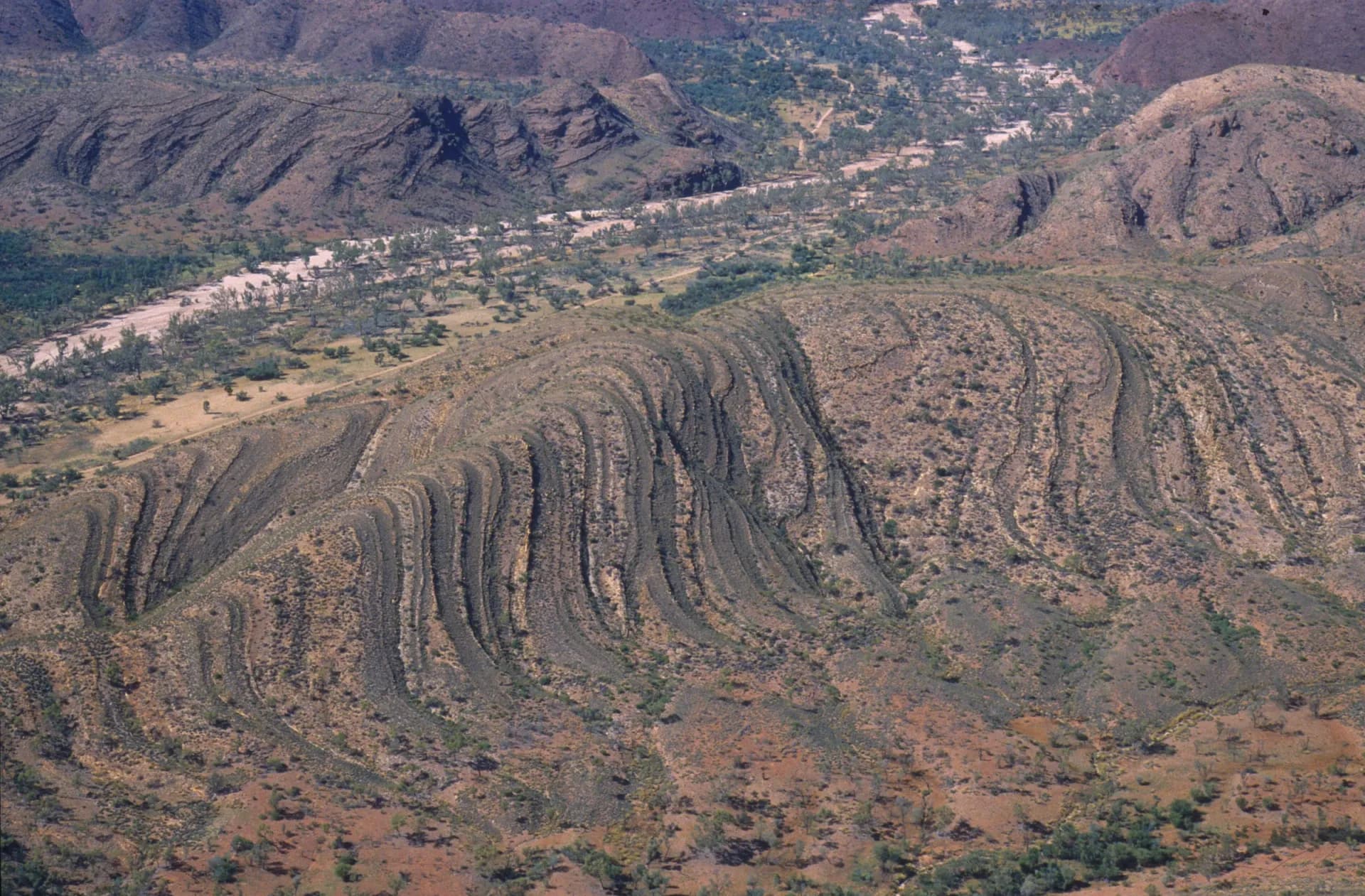
Alice Springs functions today as the primary gateway to Australia's Red Centre, sitting roughly 460 kilometers from Uluru, a drive of 4.5 to 5 hours that most visitors undertake by rental car or organized tour. The town itself sits within the MacDonnell Ranges, a chain of rugged sandstone ridges holding dramatic gorges like Standley Chasm and Simpsons Gap, offering serious hiking and scenery without needing to travel all the way to Uluru.
The Alice Springs Desert Park combines a zoo, botanical garden, and interpretive center specifically focused on Central Australian desert ecosystems, giving visitors a concentrated introduction to the plants, animals, and Aboriginal cultural knowledge tied to the surrounding landscape before heading further out into the actual desert.
Alice Springs sits at the intersection of a genuinely remote outback town's practical history, telegraph lines, flying doctors, and radio schools, all direct responses to distance, and its modern role as a tourism gateway to one of the most recognizable natural landmarks in the world, a combination that gives it more substance than a simple stopover en route to Uluru.
What a trip here actually costs
$55 / day avg.
- Hostel dorm or budget motel
- Local bus transport
- Casual restaurant meals
- Royal Flying Doctor Service Visitor Centre, low entry fee
What to do at this tier
- • Royal Flying Doctor Service Visitor Centre, low entry fee
- • Alice Springs Desert Park, low entry fee
- • Anzac Hill lookout, free
$130 / day avg.
- 3-star hotel
- MacDonnell Ranges guided day tour
- School of the Air visit
- Sit-down restaurant dinners
What to do at this tier
- • MacDonnell Ranges guided day tour, including Standley Chasm
- • Alice Springs School of the Air visit
- • Alice Springs Reptile Centre
These are average estimates for planning purposes, not real-time prices — actual costs vary by season, availability, and how far ahead you book.
How to get there
Click anywhere on the world map — any airport works, not just our main hubs.
Click anywhere on the map above — any airport in the world works — to see estimated travel time and cost from there.
Times and prices are planning estimates, not live fares — always check a booking site before you commit. See the full Transport Comparison guide for the general tradeoffs of each mode.
Best time to visit
May-September brings cooler, more comfortable desert temperatures; summer (December-February) runs extremely hot, often exceeding 40°C (104°F).
Safety notes
Generally safe with standard outback precautions; carry water and sun protection for any outdoor activity given the desert climate.
Visa & currency
Australian dollar (AUD). Most nationalities need an eVisitor or ETA arranged online before arrival.
Questions people ask before visiting
Is Alice Springs worth visiting?
Yes — Alice Springs serves as the main gateway to Australia's Red Centre, including Uluru roughly 460 kilometers away and the dramatic gorges of the MacDonnell Ranges, while also holding significant history at the Royal Flying Doctor Service base and the world's first School of the Air.
Why was Alice Springs founded?
The town grew around a repeater station built in the 1870s for the Overland Telegraph Line, which needed relay points roughly every 250 kilometers to keep signals strong across the vast distance connecting Adelaide to Darwin and, from there, to the rest of the world by undersea cable.
What is the Royal Flying Doctor Service?
A medical service founded in 1928 to provide emergency healthcare access to Australia's remote outback communities via aircraft, addressing the extreme distances that made conventional medical access impractical. Alice Springs holds one of its historic operating bases, now open to visitors.
How far is Alice Springs from Uluru?
Roughly 460 kilometers, about a 4.5 to 5-hour drive, making Alice Springs the standard gateway town for most Uluru visits, whether by rental car, tour bus, or connecting flight.
Nearby destinations
 Uluru
UluruUluru
Australia
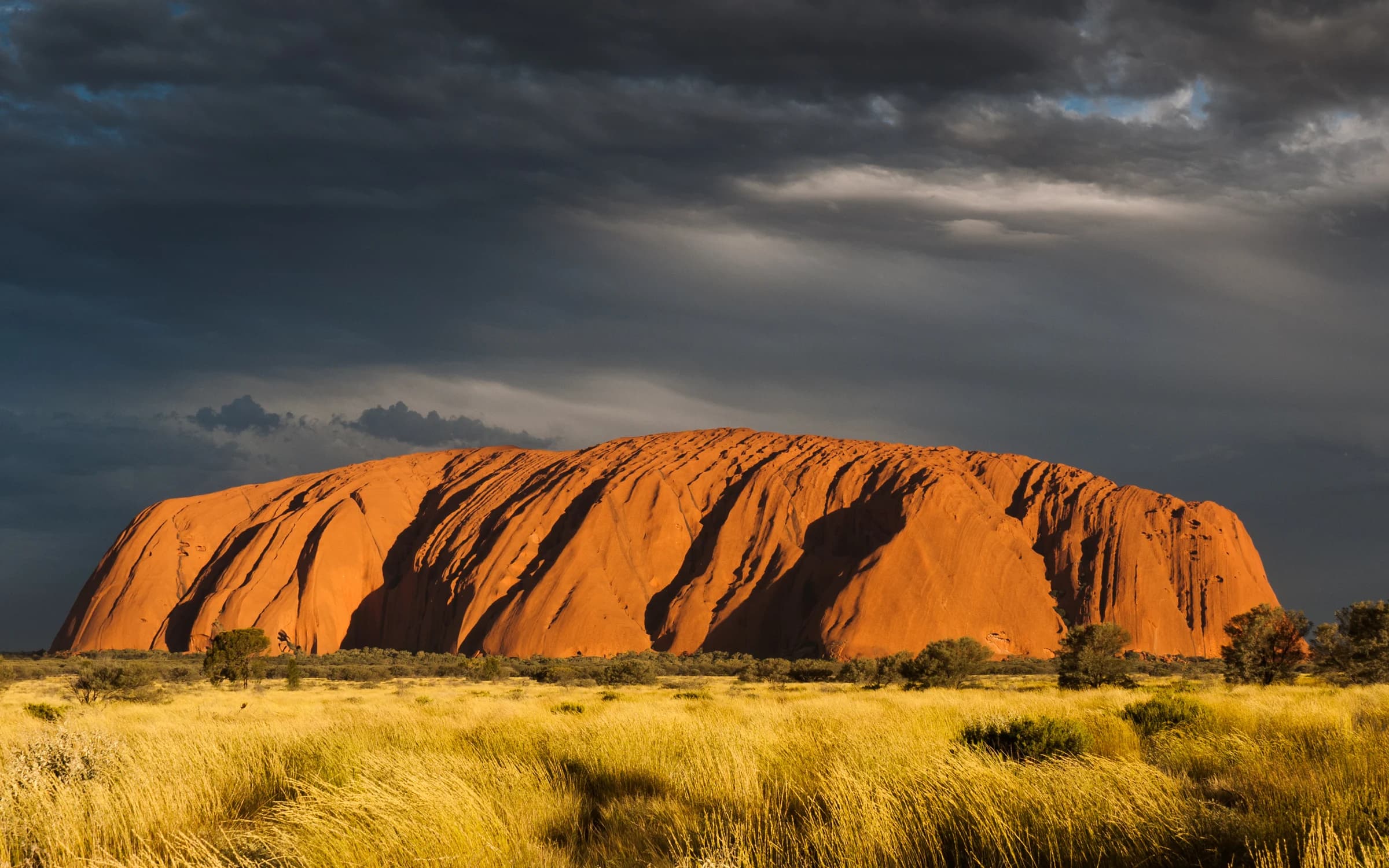
The Anangu people asked visitors for decades not to climb Uluru, out of respect for its deep sacred significance — and in October 2019, Australia finally banned the climb outright, closing a chapter that had put a well-worn scar up the rock's side for generations against the wishes of its traditional owners.
See full guide →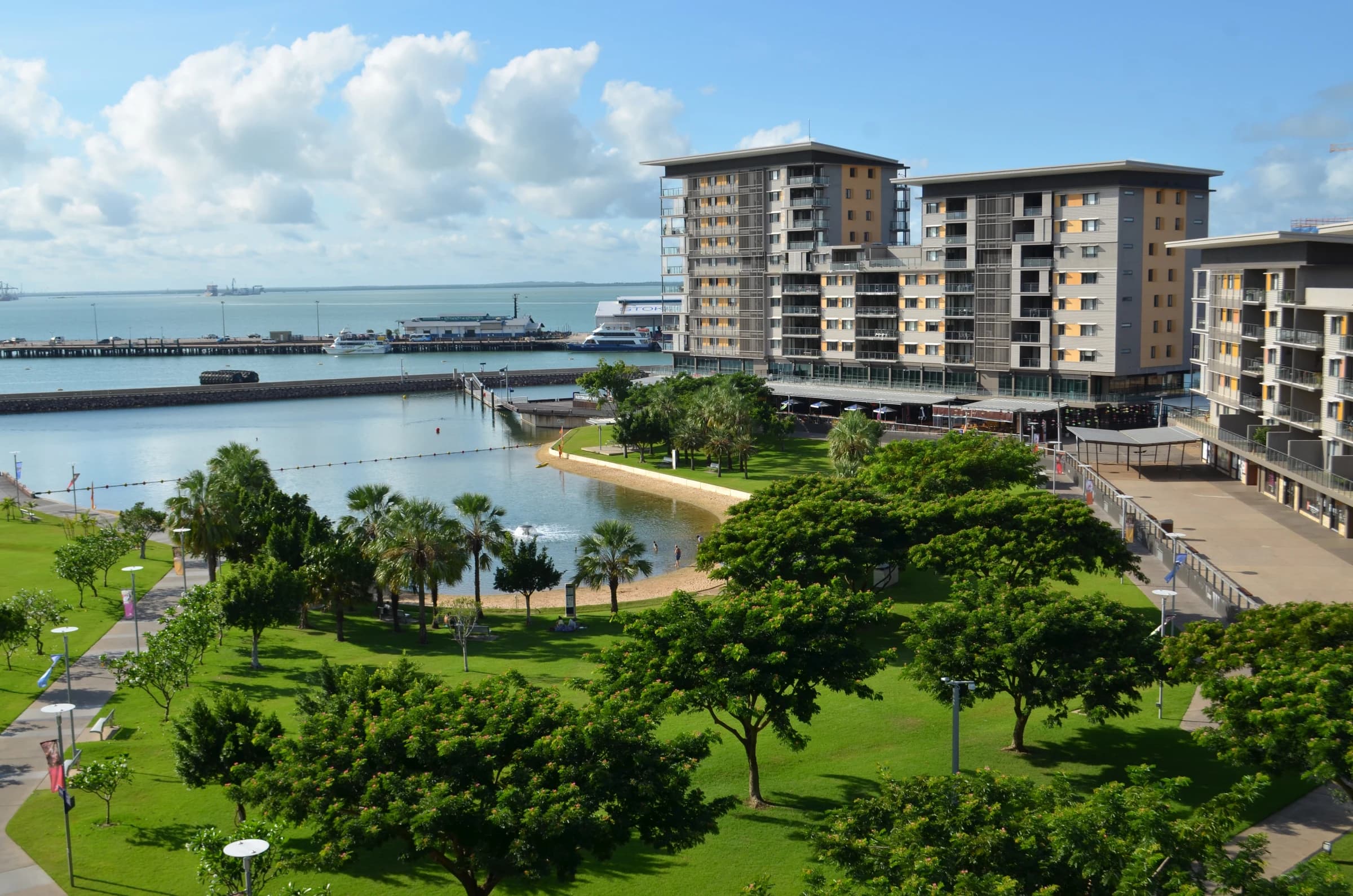 Darwin
Darwin
Australia
Darwin sits closer to Bali than to Canberra, and in February 1942 it became the only Australian city ever bombed by a foreign power — Japan dropped more bombs on Darwin in a single raid than it had on Pearl Harbor two months earlier, a fact many Australians outside the Northern Territory still don't know.
See full guide →Comparing more than one route? See the full transport comparison guide.