Australia · Oceania
Darwin
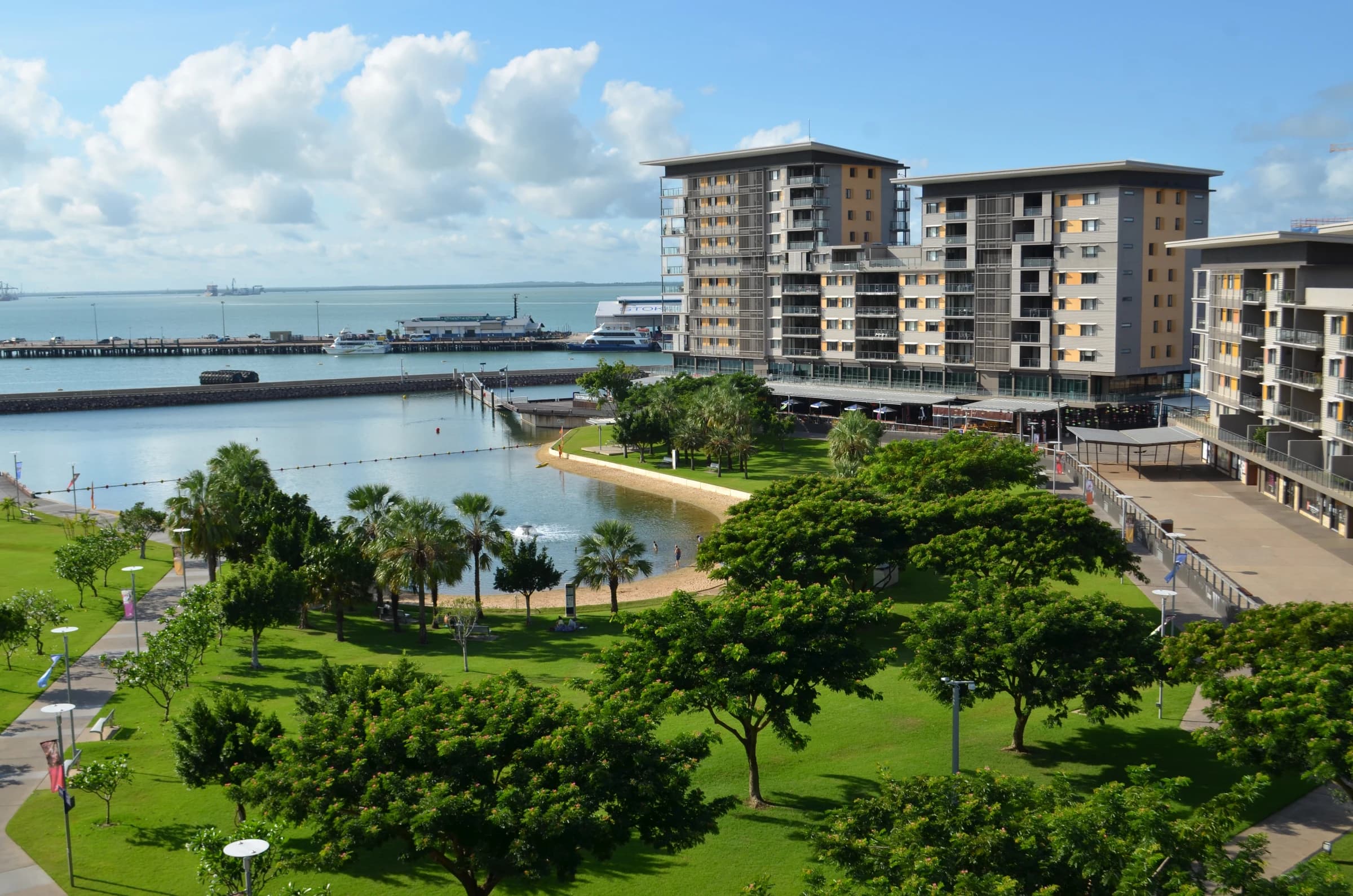
Darwin sits closer to Bali than to Canberra, and in February 1942 it became the only Australian city ever bombed by a foreign power — Japan dropped more bombs on Darwin in a single raid than it had on Pearl Harbor two months earlier, a fact many Australians outside the Northern Territory still don't know.
Darwin sits closer to Bali, Indonesia than to Canberra, Australia's own capital, a geographic reality that shapes much of the city's character and history. In February 1942, that proximity to the wider Asia-Pacific conflict became devastatingly relevant: Japan launched an air raid on Darwin dropping more bombs than it had used against Pearl Harbor roughly ten weeks earlier, making Darwin the only Australian city ever directly bombed by a foreign power. Further raids followed over the next two years, and this history remains genuinely under-recognized across much of the rest of Australia, a fact the city's own Museum and Art Gallery of the Northern Territory works directly to address.
Darwin functions as the practical gateway to Kakadu National Park, roughly a 2.5 to 3-hour drive southeast and one of Australia's most significant protected areas, holding dual UNESCO World Heritage status for both its wetland ecosystems and its extensive, ancient Aboriginal rock art sites, some depicting continuous cultural practices spanning tens of thousands of years.
The Adelaide River, outside Darwin, has become known for its "jumping crocodile" cruises, where wild saltwater crocodiles leap partially out of the water toward bait held above the surface, a genuinely dramatic demonstration of the size and power of an animal that shapes nearly every safety warning about swimming in the Top End's waterways.
Crocosaurus Cove, in central Darwin, offers a different, more controlled kind of close encounter: the "Cage of Death" lowers visitors in a clear plexiglass cylinder directly into a tank alongside a large saltwater crocodile, giving a genuinely close view of the animal without any actual risk, a popular and slightly tongue-in-cheek attraction given the very real crocodile danger found throughout the surrounding wild rivers and wetlands.
Darwin's tropical monsoonal climate splits sharply into a dry season, roughly May through September, and a wet season the rest of the year, and that seasonal extreme shapes nearly everything about travel planning in the region, from which roads stay open to how accessible Kakadu's waterfalls and wetlands actually are at any given time of year.
What a trip here actually costs
$130 / day avg.
- 3-star hotel in central Darwin
- Jumping crocodile cruise on the Adelaide River
- Sit-down dinners at Darwin's waterfront precinct
- Museum and Art Gallery of the Northern Territory entry
What to do at this tier
- • Jumping crocodile cruise on the Adelaide River, watching wild saltwater crocodiles leap for bait
- • Museum and Art Gallery of the Northern Territory, covering Darwin's WWII bombing history and Aboriginal art
- • Mindil Beach Sunset Market, a popular open-air market and food stall event
- • Crocosaurus Cove's Cage of Death, a controlled close encounter with a large saltwater crocodile
These are average estimates for planning purposes, not real-time prices — actual costs vary by season, availability, and how far ahead you book.
How to get there
Click anywhere on the world map — any airport works, not just our main hubs.
Click anywhere on the map above — any airport in the world works — to see estimated travel time and cost from there.
Times and prices are planning estimates, not live fares — always check a booking site before you commit. See the full Transport Comparison guide for the general tradeoffs of each mode.
Best time to visit
May-September, the dry season, brings the most comfortable weather and easiest access to Kakadu and surrounding wetlands; the wet season (roughly November-April) brings intense monsoonal storms and can limit access to some areas.
Safety notes
Generally safe for tourists in central Darwin with standard precautions; never swim in Top End rivers, billabongs, or unpatrolled coastal waters given genuine saltwater crocodile risk.
Visa & currency
Australian dollar (AUD). Most Western passport holders need an Electronic Travel Authority (ETA) or eVisitor visa, both straightforward online applications, before arrival.
Questions people ask before visiting
Is Darwin worth visiting?
Yes, particularly as the gateway to Kakadu National Park and the Top End's wildlife — Darwin combines a genuinely significant, under-recognized WWII history with direct access to some of Australia's most dramatic wetland and crocodile territory.
When was Darwin bombed?
Japan launched its first and largest raid on Darwin on February 19, 1942, dropping more bombs than it had used on Pearl Harbor roughly ten weeks earlier. Darwin remains the only Australian city ever directly bombed by a foreign power, a history that's genuinely under-recognized in the rest of the country.
How far is Kakadu National Park from Darwin?
Roughly a 2.5 to 3-hour drive southeast of Darwin. Kakadu is a dual UNESCO World Heritage Site, listed for both its natural wetland ecosystems and its significant Aboriginal rock art, and it's commonly visited as a multi-day trip from a Darwin base.
Can you swim with crocodiles in Darwin?
In a sense — Crocosaurus Cove in central Darwin offers the 'Cage of Death,' lowering visitors in a clear plexiglass cage directly into a tank with a large saltwater crocodile, a controlled, genuinely close encounter rather than open swimming with wild crocodiles, which is never safe in the Top End's waterways.
Nearby destinations
 Uluru
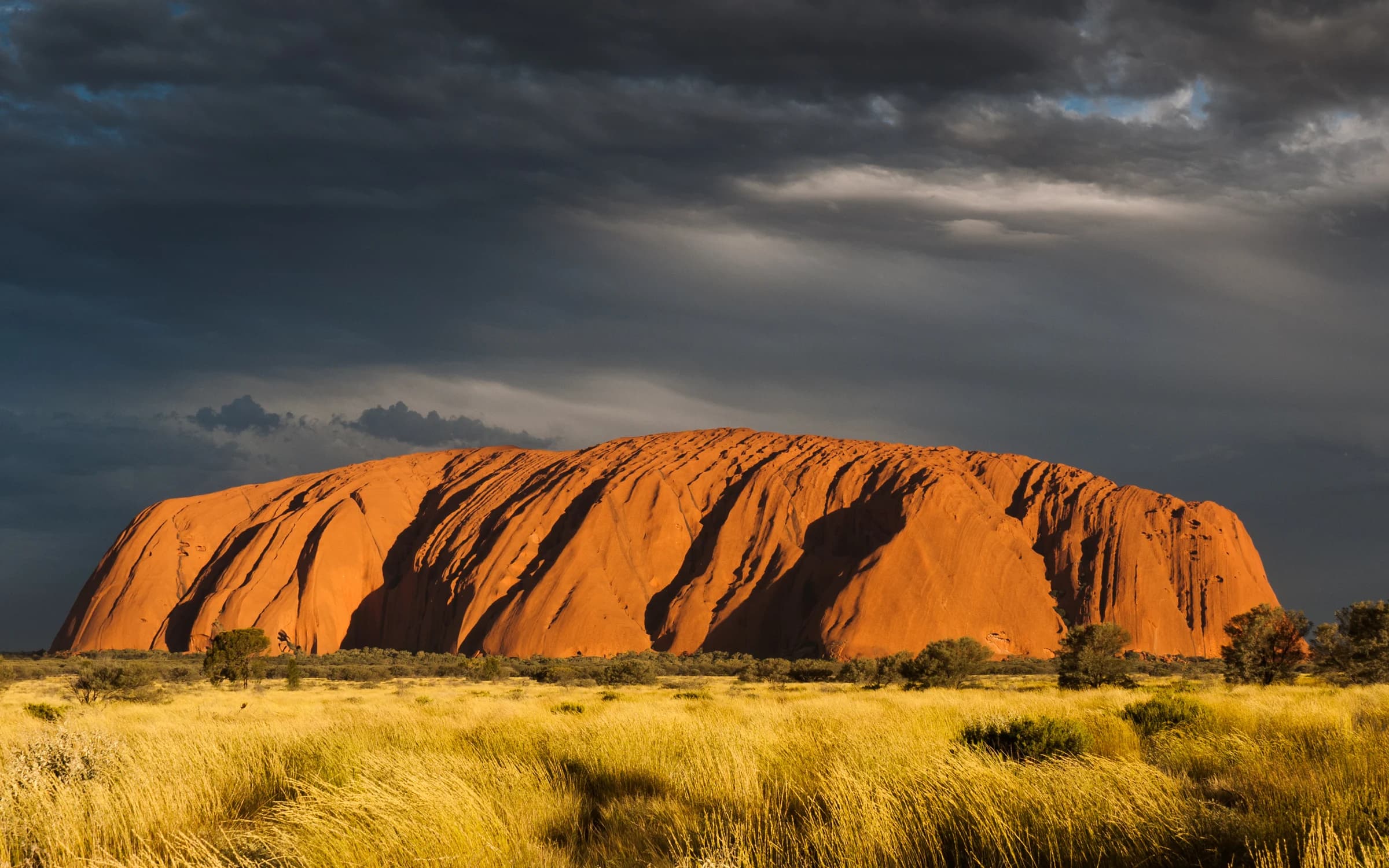
UluruUluru
Australia
The Anangu people asked visitors for decades not to climb Uluru, out of respect for its deep sacred significance — and in October 2019, Australia finally banned the climb outright, closing a chapter that had put a well-worn scar up the rock's side for generations against the wishes of its traditional owners.
See full guide →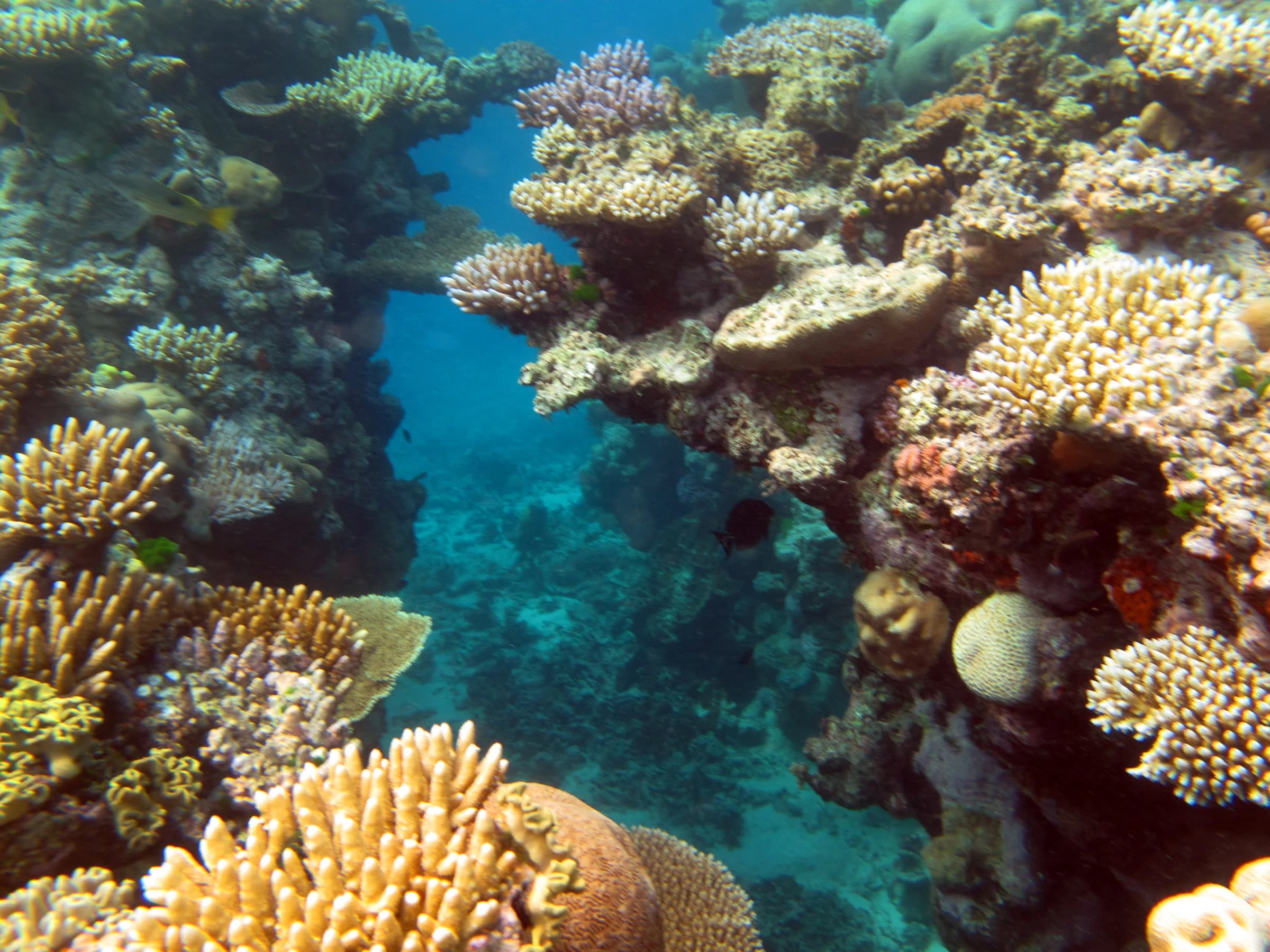 Great Barrier Reef
Great Barrier Reef
Australia
The Great Barrier Reef is the largest living structure on Earth, stretching roughly 2,300 kilometers and visible from space — and it's also genuinely under threat, having suffered repeated mass coral bleaching events in recent years as ocean temperatures rise, a real, honest tension between the reef's scale and its fragility that shapes how it's best visited today.
See full guide →Comparing more than one route? See the full transport comparison guide.