New Zealand · Oceania
Abel Tasman National Park
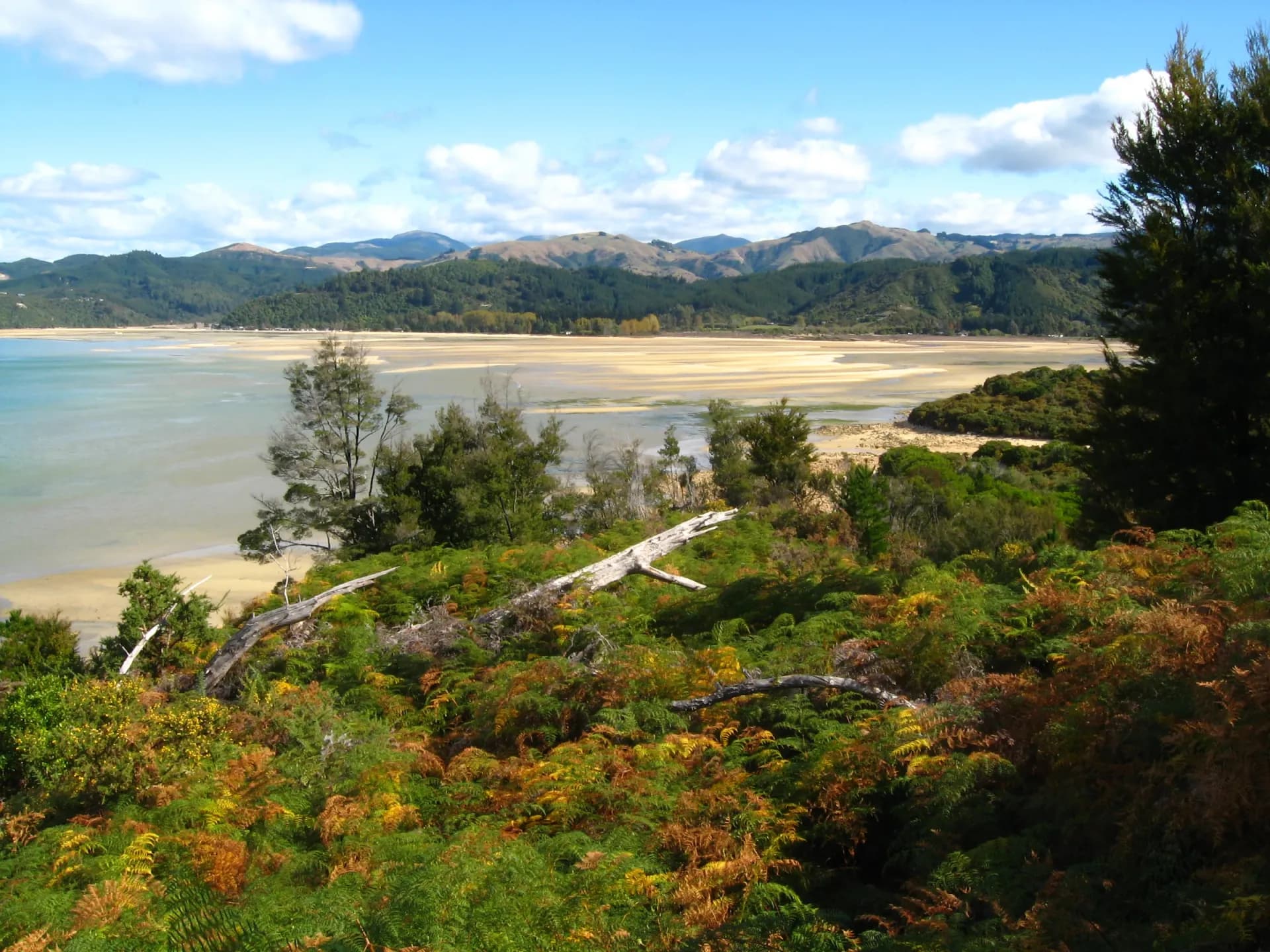
Abel Tasman is New Zealand's smallest national park, yet no continuous road cuts through most of it, so the only ways in are on foot along the Coastal Track, by sea kayak, or by water taxi — a genuinely beach-like stretch of golden sand and turquoise water named after the Dutch explorer who became the first European to sight New Zealand, in 1642, without ever actually landing.
Abel Tasman is New Zealand's smallest national park by area, yet it draws some of the highest visitor numbers of any park in the country, largely because no continuous road runs through most of it. Access instead comes by foot along the Coastal Track, one of New Zealand's official Great Walks, by sea kayak, or by water taxi services that ferry hikers and kayakers to different points along the shoreline, letting visitors mix and match walking and boating however suits their trip.
The park takes its name from Abel Tasman, a Dutch explorer who became the first European to sight New Zealand in 1642, though he never actually landed on this stretch of coast after a violent encounter with Maori canoes in what's now called Golden Bay, just north of the park, resulted in several of his crew's deaths. That first, unsuccessful European contact still lends its name to the park nearly four centuries later.
The Coastal Track itself takes 3 to 5 days to complete in full, winding along golden sand beaches and through coastal forest with turquoise water visible for much of the route, a landscape that feels unusually beach-like compared to New Zealand's more commonly rugged, mountainous Great Walks. Many visitors opt for shorter one or two-day versions, using water taxis to skip sections and focus on particular beaches or viewpoints rather than committing to the full multi-day hike.
Sea kayaking has become one of the most popular ways to experience the park, letting paddlers explore secluded coves, seal colonies, and beaches inaccessible by the coastal track itself, often as a guided day trip that combines paddling with short beach walks and swimming stops along the way.
Split Apple Rock, a large granite boulder split cleanly in two sitting just offshore near the park's entrance, has become one of the most photographed natural features in the area, its clean fracture giving rise to various Maori legends about its origin, though its actual formation is attributed to natural weathering along an existing fault line in the rock.
What a trip here actually costs
$55 / day avg.
- Hut or campsite along the Coastal Track
- Water taxi one-way transfer
- Self-catered meals
- Coastal Track hiking, free with hut/camp pass
What to do at this tier
- • Coastal Track day hike section, free with a hut or camping pass
- • Beach time at Anchorage or Torrent Bay, free
- • Self-guided short kayak rental
$130 / day avg.
- Lodge accommodation near the park entrance
- Guided sea kayaking day trip
- Water taxi transfers
- Sit-down restaurant meals
What to do at this tier
- • Guided sea kayaking day trip along the coastline
- • Water taxi combined with a half-day guided walk
- • Multi-day Coastal Track hike with hut bookings
These are average estimates for planning purposes, not real-time prices — actual costs vary by season, availability, and how far ahead you book.
How to get there
Click anywhere on the world map — any airport works, not just our main hubs.
Click anywhere on the map above — any airport in the world works — to see estimated travel time and cost from there.
Times and prices are planning estimates, not live fares — always check a booking site before you commit. See the full Transport Comparison guide for the general tradeoffs of each mode.
Best time to visit
December-March, New Zealand's summer, brings the warmest water and most stable weather for kayaking and hiking; huts and water taxis get busy, so book ahead.
Safety notes
Generally safe; tidal crossings along parts of the Coastal Track require timing around tide tables, and sea kayaking conditions can change quickly, so check with local operators.
Visa & currency
New Zealand dollar (NZD). Most nationalities need a New Zealand Electronic Travel Authority (NZeTA) arranged online before arrival.
Questions people ask before visiting
Is Abel Tasman National Park worth visiting?
Yes — Abel Tasman holds golden sand beaches and turquoise water unusually beach-like for New Zealand, accessible via the Coastal Track, one of the country's Great Walks, or by sea kayak, both offering a genuinely different way to experience a national park than driving to viewpoints.
How do you get around Abel Tasman National Park?
No continuous road runs through most of the park, so access is by foot along the Coastal Track, by sea kayak, or by water taxi services that drop hikers and kayakers at various points along the coast, letting visitors customize how much walking versus boating they want to do.
Who was Abel Tasman?
A Dutch explorer who became the first European to sight New Zealand in 1642, though he never landed after a violent encounter with Maori in what's now called Golden Bay. The park and several other New Zealand landmarks carry his name despite that brief, unsuccessful first contact.
How many days do you need for Abel Tasman?
The full Coastal Track takes 3-5 days to complete, but many visitors do a shorter one or two-day version combining walking sections with water taxi transport, or a single-day kayaking trip, both of which give a genuine taste of the park without the full multi-day commitment.
Nearby destinations
 Queenstown
Queenstown
New Zealand
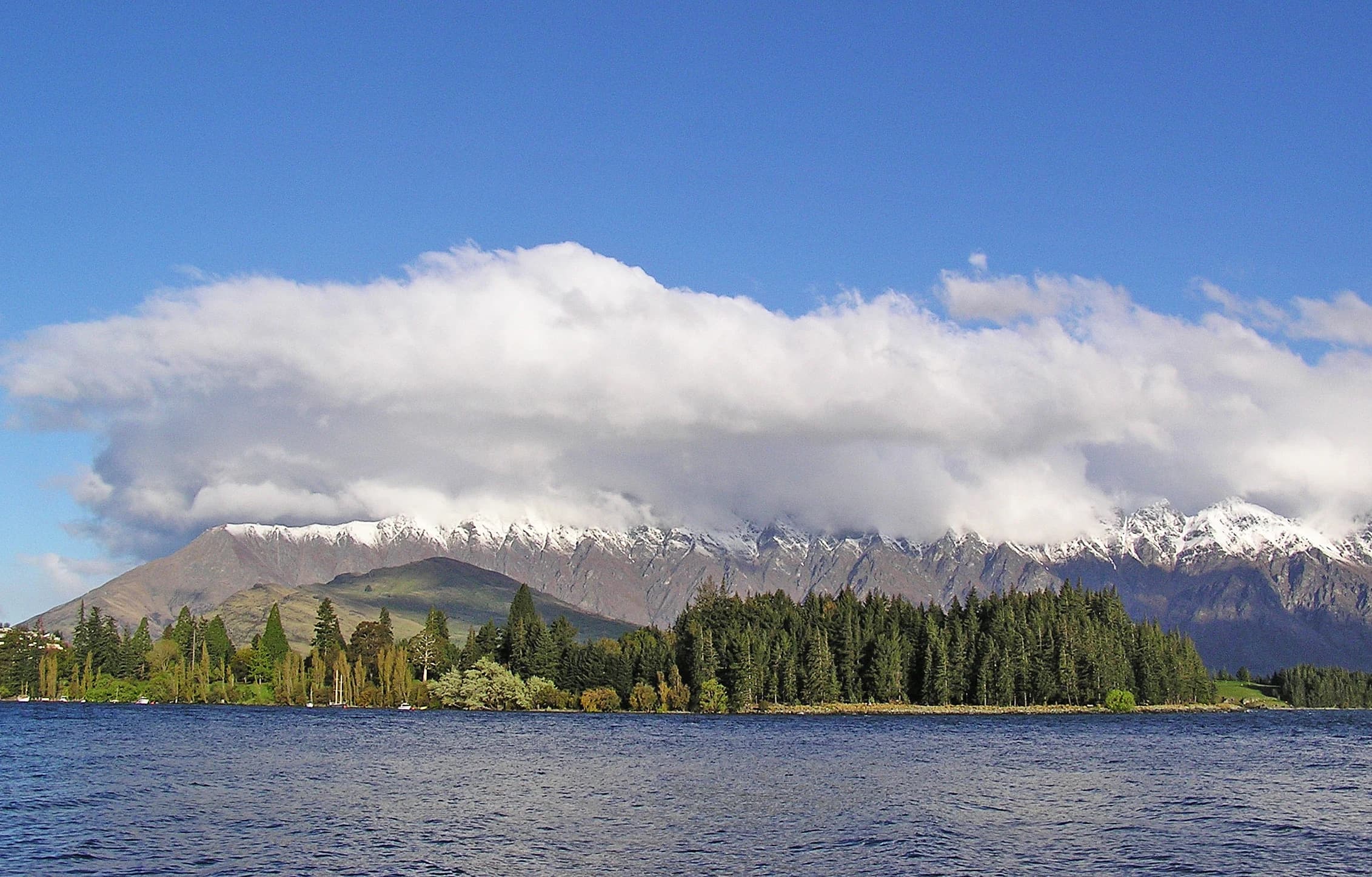
Commercial bungy jumping was invented right here — AJ Hackett's first jump off the Kawarau Bridge in 1988 turned Queenstown into what's now genuinely called the adventure capital of the world, and that same bridge still runs bungy jumps today, largely unchanged since the sport's invention.
See full guide →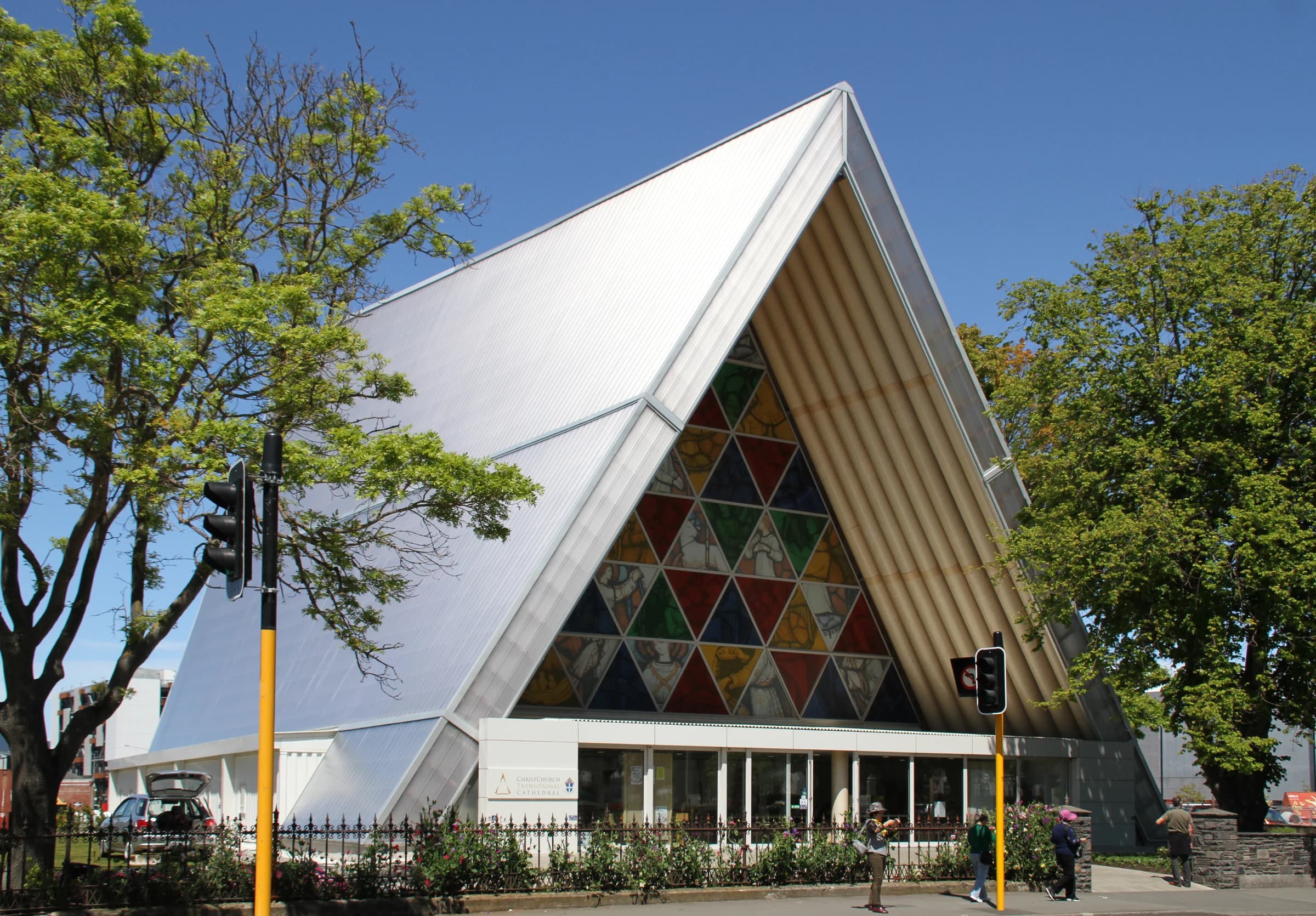 Christchurch
Christchurch
New Zealand
A magnitude 6.3 earthquake killed 185 people and flattened much of Christchurch's center in February 2011, and the rebuilt city that emerged used the disaster as a genuine opportunity — a Japanese architect built a temporary cathedral out of giant cardboard tubes, and it's still standing, still in use, more than a decade later.
See full guide →Comparing more than one route? See the full transport comparison guide.