Guide
Cruise vs All-Inclusive Resort: Which Actually Fits Your Trip
Both promise one price covering nearly everything, but the actual trade-offs, how much you unpack, how many places you see, how the total cost really breaks down, run in opposite directions. Here's the honest comparison.
Both a cruise and an all-inclusive resort trip sell themselves on the same basic promise: pay one price upfront, and most of the trip's costs are handled. The similarity mostly ends there. The two experiences differ enough in structure, and in where the hidden costs actually hide, that the "cheaper" or "better" option depends entirely on what a specific trip needs to accomplish.
Seeing multiple places vs. staying in one
A cruise's core structural advantage is genuine multi-destination travel without repacking. Wake up in Aruba, the ship sails overnight, wake up somewhere else entirely. An all-inclusive resort stay, by contrast, is built around one property for the full trip, Punta Cana or Montego Bay as the single base, which suits travelers who'd rather settle into one place deeply than sample several briefly.
What "all-inclusive" actually includes
Resort all-inclusive pricing typically bundles food, drinks (often including alcohol), and most on-property activities into a single upfront rate, genuinely comprehensive in most cases. Cruise base fares cover the cabin, meals in main dining rooms, and most onboard entertainment, but gratuities (often $16-18 per person per day, added automatically), specialty restaurants, drink packages, Wi-Fi, and shore excursions are frequently separate charges that can add several hundred dollars to a trip that looked cheaper at the booking stage.
Movement and packing
A cruise means unpacking once, your cabin moves with the ship, a genuine convenience over a multi-stop land itinerary. It also means a fixed schedule: miss the ship's departure time in port, and it leaves without you, a real constraint an all-inclusive resort stay simply doesn't impose, since there's no departure to miss beyond checkout.
Motion and seasickness
Land travel removes motion sickness from the equation entirely. Modern cruise ships use stabilizers that meaningfully reduce rocking on most routes, and Caribbean itineraries generally sail calmer waters than transatlantic or open-ocean crossings, but travelers with known sensitivity to motion should weigh this honestly rather than assume it won't be an issue.
Booking either option
For cruises, Royal Caribbean, Carnival, and Celebrity Cruises all run frequent Caribbean sailings, with CruiseDirect and Vacations To Go useful for comparing prices across lines. For resort stays, comparing genuine all-inclusive rates, ideally against the specific inclusions list rather than the headline price alone, is worth doing directly through the resort or a travel agent familiar with the property.
The practical version
A cruise suits travelers who want to sample several destinations without repeated packing and who are comfortable budgeting extra for gratuities, drinks, and excursions on top of the base fare. A resort stay suits those who'd rather deeply settle into one place, want full cost certainty upfront, and don't mind skipping the multi-destination variety a cruise offers by design.
Frequently asked questions
Is a cruise or an all-inclusive resort cheaper?
It depends on cabin or room category and how many extras get added. Base cruise fares often look cheaper than resort rates, but gratuities, drink packages, Wi-Fi, and excursions are frequently separate costs on a cruise, while a genuine all-inclusive resort rate usually bundles food, drinks, and most activities into the upfront price.
Do you unpack more than once on a cruise?
No — one of a cruise's clearest advantages is unpacking once and having your room, or cabin, travel with you to each new port, unlike a multi-stop land itinerary that requires repacking at every hotel change.
Can you see multiple destinations on an all-inclusive resort trip?
Generally not without booking a separate excursion or day trip, since an all-inclusive resort stay is built around staying at one property for the full trip. A cruise covers multiple destinations by design, a genuine advantage for travelers who want to sample several islands without committing to a full stay at each.
Which is better for someone who gets seasick?
An all-inclusive resort avoids the issue entirely by staying on land throughout. Modern cruise ships use stabilizers that significantly reduce motion on most routes, and Caribbean itineraries in particular tend to sail calmer waters than open-ocean crossings, but travelers with a known sensitivity should weigh this honestly before booking a cruise.
Destinations mentioned in this guide
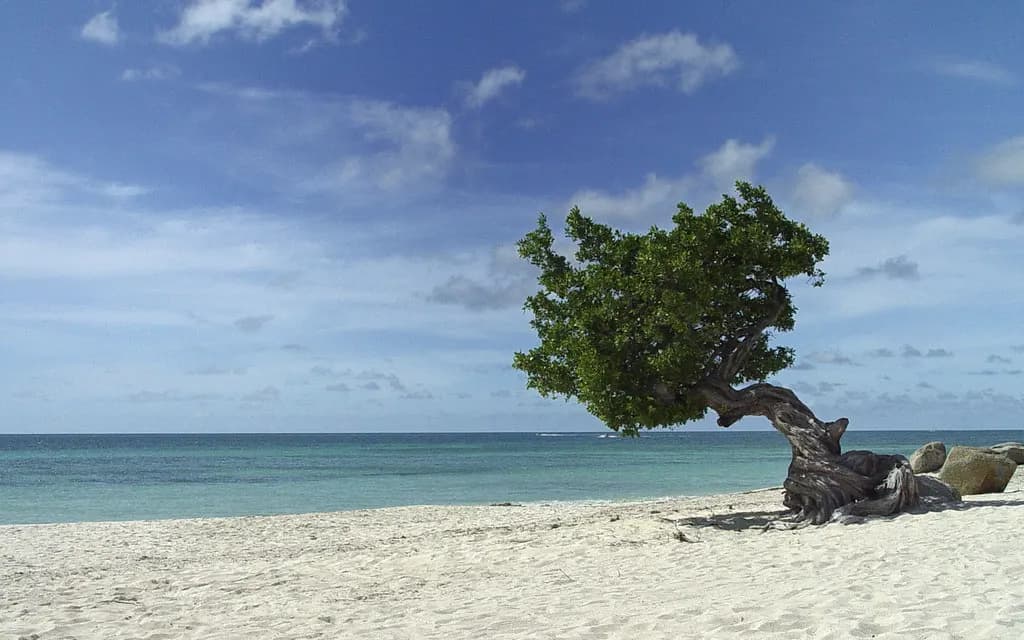
ArubaAruba
Aruba
Aruba sits just outside the Caribbean hurricane belt and gets some of the lowest rainfall of any Caribbean island — locals call it "One Happy Island," and the arid, cactus-dotted landscape looks more like a desert than the lush jungle most people picture when they think Caribbean.
See full guide → Punta Cana
Punta Cana
Dominican Republic
Punta Cana didn't have a single hotel until the 1970s — today it holds one of the largest concentrations of all-inclusive resorts on Earth, strung along roughly 30 uninterrupted miles of white sand that most visitors never leave for the entire trip.
See full guide →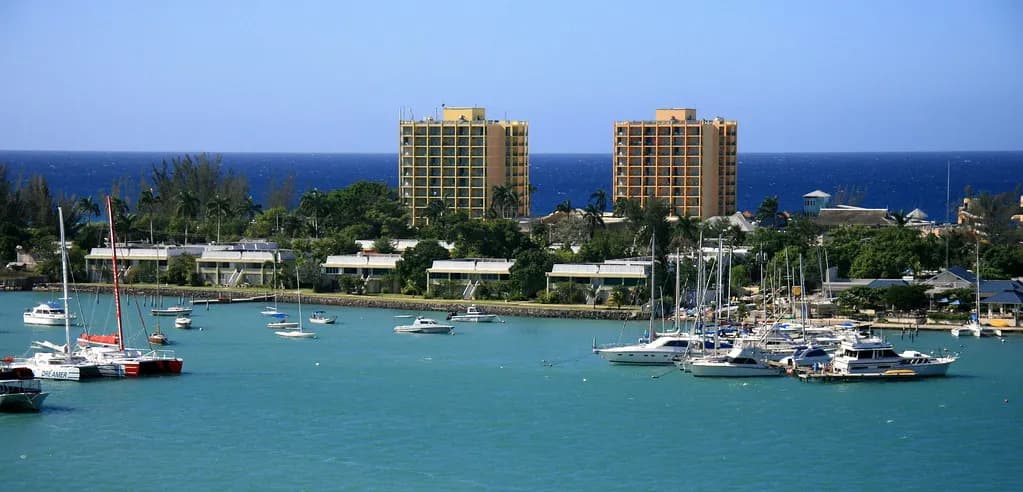 Montego Bay
Montego Bay
Jamaica
Jamaica produces some of the most influential music genres of the 20th century — reggae, ska, and dancehall all trace directly back to this island — and Montego Bay's studios and live venues still shape sounds that show up in pop charts worldwide decades later.
See full guide →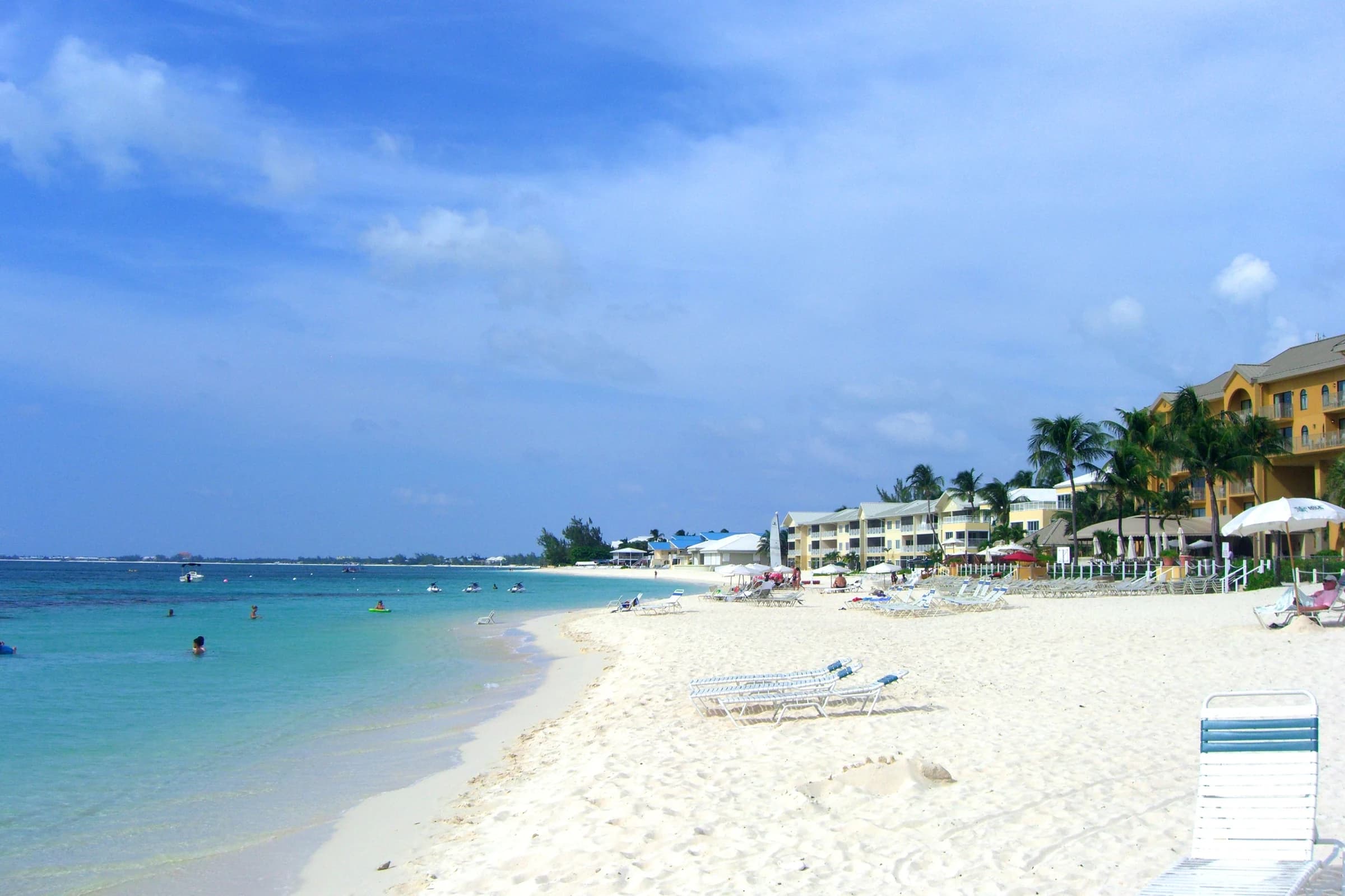 Grand Cayman
Grand Cayman
Cayman Islands
Stingray City is a sandbar in open water where dozens of wild southern stingrays gather to be hand-fed by visitors standing waist-deep — a behavior that started with fishermen cleaning their catch decades ago and turned into one of the Caribbean's most distinctive wildlife encounters.
See full guide →