Guide
Best Caribbean Cruise Itineraries for First-Timers
Western, Eastern, and Southern Caribbean itineraries hit genuinely different ports — picking the wrong one means missing the stops you actually wanted. Here's how the three main routes break down, and where to book them.
"Caribbean cruise" functions less as a single product and more as an umbrella covering three genuinely different routes, and picking the wrong one is the most common regret first-time cruisers report afterward, not because any of the three is bad, but because the ports don't overlap the way people assume going in.
Eastern Caribbean: the easiest first cruise
Eastern Caribbean itineraries typically sail from Florida to Nassau in the Bahamas, then on to San Juan and St. Thomas, running 7 days on most major lines. It's the most commonly booked route for first-time cruisers, short flights to the departure port for most of the U.S. East Coast, and island stops that mix beach time with some genuine history in San Juan's Old City.
Western Caribbean: Mexico and Jamaica
Western Caribbean routes swap the Bahamas for Cozumel, Grand Cayman, and Montego Bay, also usually a 7-day sailing from Florida or sometimes Galveston or New Orleans. This route leans more heavily into snorkeling and reef excursions, Grand Cayman's Seven Mile Beach and Stingray City chief among them, plus easier access to Mayan ruins from the Cozumel or Costa Maya stops.
Southern Caribbean: for repeat cruisers
Southern Caribbean itineraries push further out to Aruba, Curaçao, and Barbados, islands too far from Florida for a standard 7-day round trip, so these sailings typically run 10 to 14 days, often departing from San Juan or a Southern U.S. port with a longer initial crossing. It's generally a better fit for a second or third cruise rather than a first, given both the added length and the more spread-out, less resort-dense stops.
Choosing a cruise line
Royal Caribbean, Carnival, and Norwegian Cruise Line run the highest volume of Caribbean sailings and the widest range of ship sizes and price points, from budget-friendly to significantly more upscale. MSC Cruises, Princess Cruises, and Celebrity Cruises round out the major options, each with a slightly different onboard atmosphere worth comparing before booking. For families specifically, Disney Cruise Line runs its own Caribbean itineraries built around that audience.
Where to compare and book
Cruise Critic is the most useful starting point for comparing ships and reading real passenger reviews before committing to a specific sailing. For price comparison across multiple lines at once, CruiseDirect and Vacations To Go both aggregate listings from most major cruise lines, useful for spotting last-minute discounts that don't always show up on individual cruise line sites.
The practical version
For a genuine first cruise, a 7-day Eastern or Western Caribbean sailing from a Florida port keeps travel time to the ship low and the itinerary familiar enough to know what to expect. Save Southern Caribbean's longer sailings and more remote islands for once the basic rhythm of cruising, embarkation days, sea days, port days, feels familiar rather than overwhelming.
Frequently asked questions
What's the difference between Eastern, Western, and Southern Caribbean cruises?
Eastern Caribbean itineraries typically hit San Juan, St. Thomas, and the Bahamas from Florida ports; Western Caribbean covers Cozumel, Grand Cayman, and Jamaica; Southern Caribbean reaches further out to Aruba, Curaçao, and Barbados, usually on longer 10+ day sailings. The three rarely overlap in ports, so the choice depends on which islands actually matter to you.
How long is a typical Caribbean cruise?
Eastern and Western Caribbean sailings commonly run 7 days from Florida ports like Miami or Fort Lauderdale, though shorter 3-4 day cruises to the Bahamas are widely available for a first, lower-commitment trip. Southern Caribbean itineraries usually need 10 days or more given the greater distances between islands.
Which cruise line is best for first-time Caribbean cruisers?
Royal Caribbean, Carnival, and Norwegian Cruise Line all run frequent, well-established Caribbean itineraries with a wide range of ship sizes and price points, making any of the three reasonable starting points. The better first question is usually budget and preferred departure port rather than brand loyalty.
Where do most Caribbean cruises depart from?
Miami, Fort Lauderdale (Port Everglades), and Port Canaveral in Florida handle the bulk of Caribbean cruise departures, given their proximity to the region, though ships also sail from Galveston, New Orleans, and San Juan depending on the specific itinerary.
Destinations mentioned in this guide
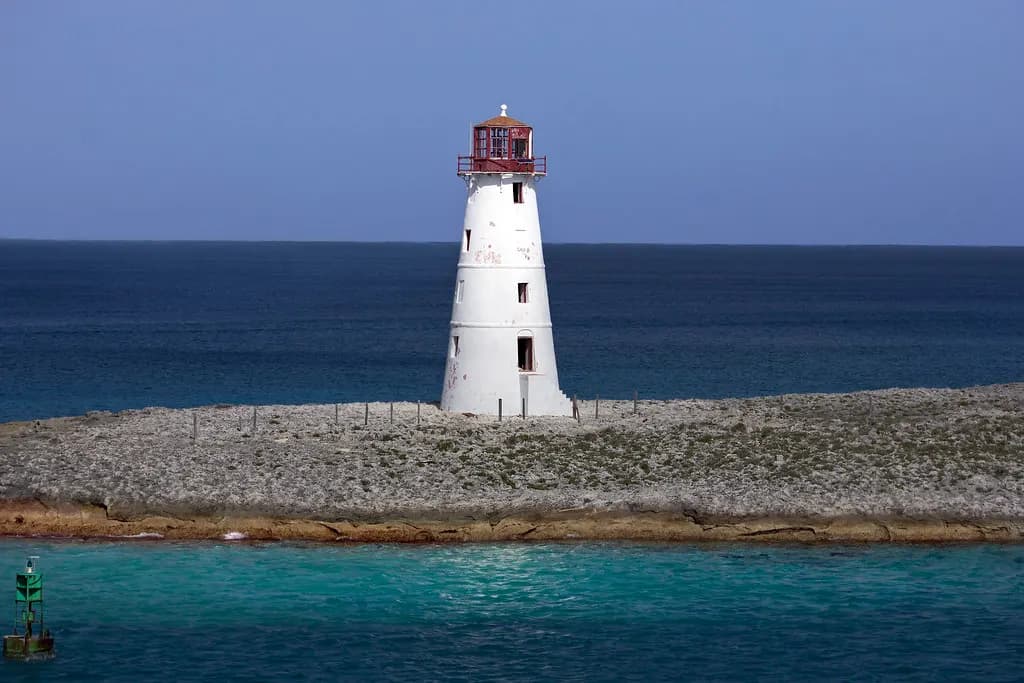
NassauNassau
Bahamas
The Bahamas has a beach where wild pigs swim out to greet arriving boats — Exuma's swimming pigs are a short flight from Nassau, and nobody fully agrees on how they got there, though the leading theory is far less romantic than the tourist photos suggest.
See full guide →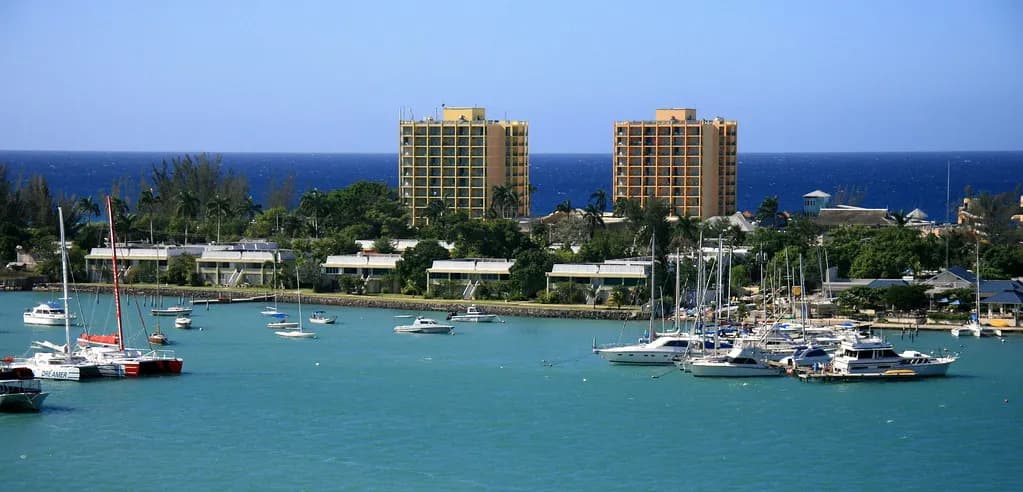 Montego Bay
Montego Bay
Jamaica
Jamaica produces some of the most influential music genres of the 20th century — reggae, ska, and dancehall all trace directly back to this island — and Montego Bay's studios and live venues still shape sounds that show up in pop charts worldwide decades later.
See full guide →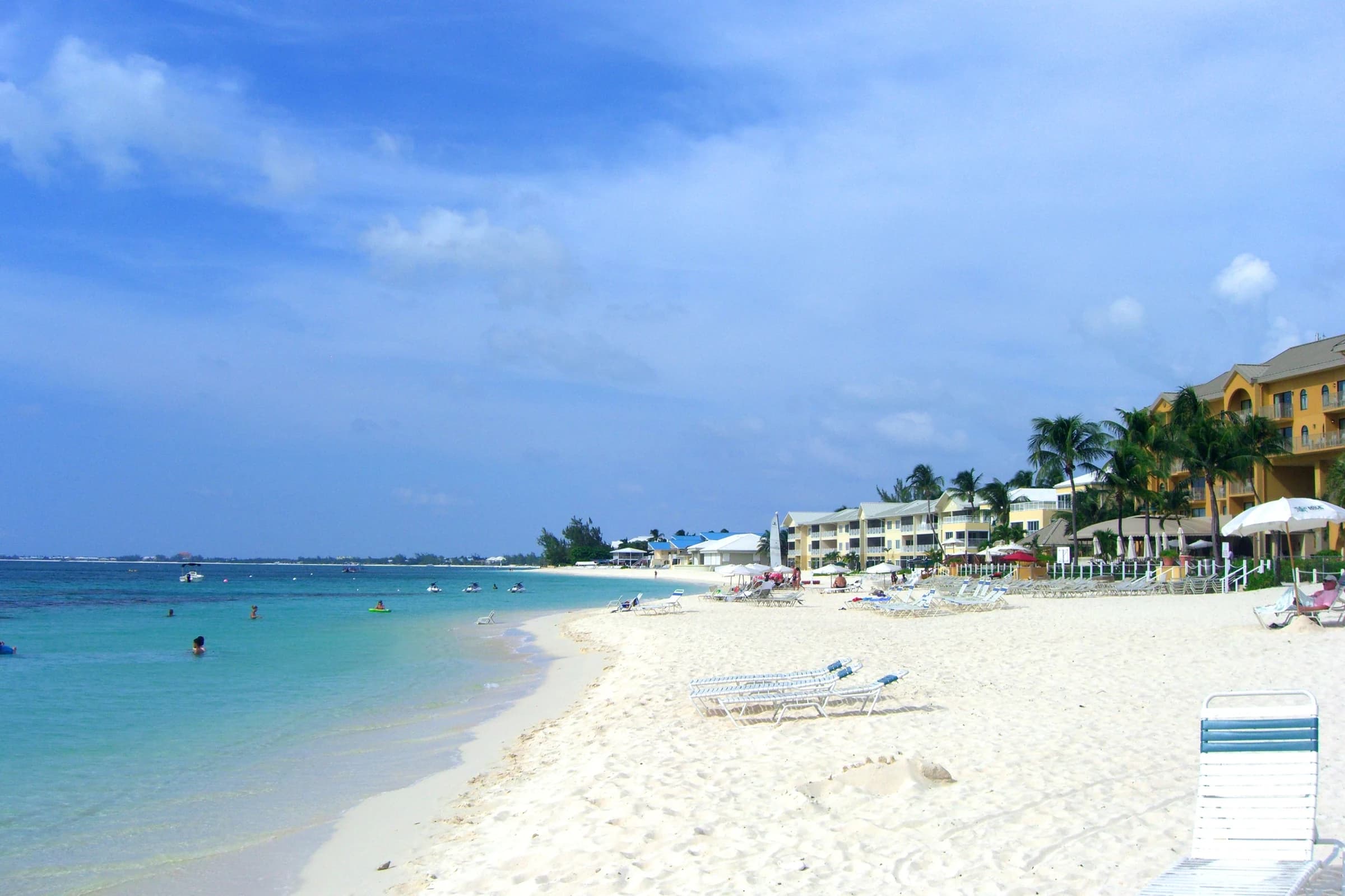 Grand Cayman
Grand Cayman
Cayman Islands
Stingray City is a sandbar in open water where dozens of wild southern stingrays gather to be hand-fed by visitors standing waist-deep — a behavior that started with fishermen cleaning their catch decades ago and turned into one of the Caribbean's most distinctive wildlife encounters.
See full guide →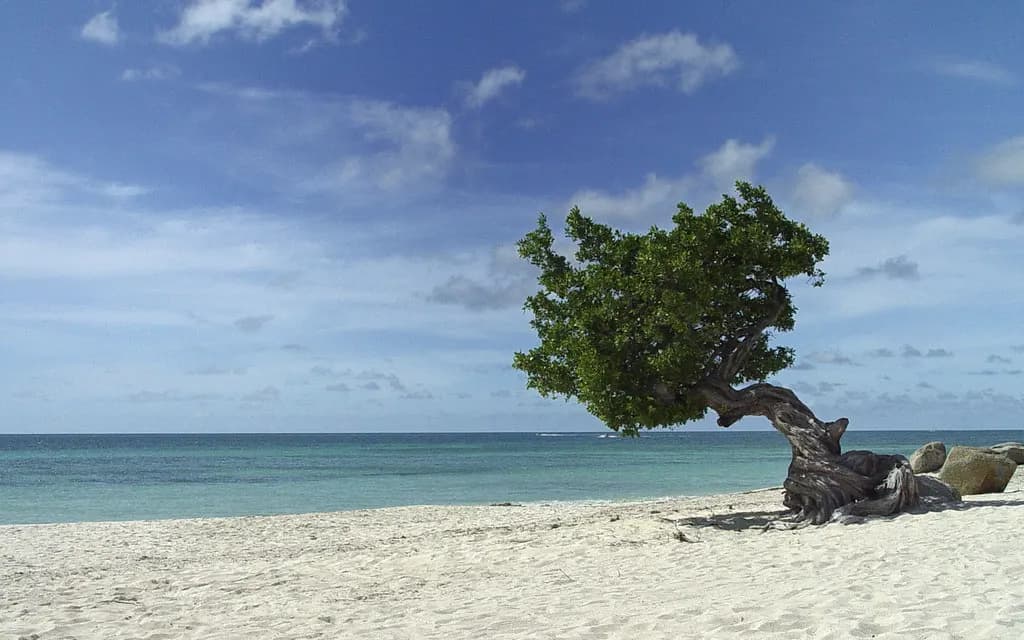 Aruba
ArubaAruba
Aruba
Aruba sits just outside the Caribbean hurricane belt and gets some of the lowest rainfall of any Caribbean island — locals call it "One Happy Island," and the arid, cactus-dotted landscape looks more like a desert than the lush jungle most people picture when they think Caribbean.
See full guide →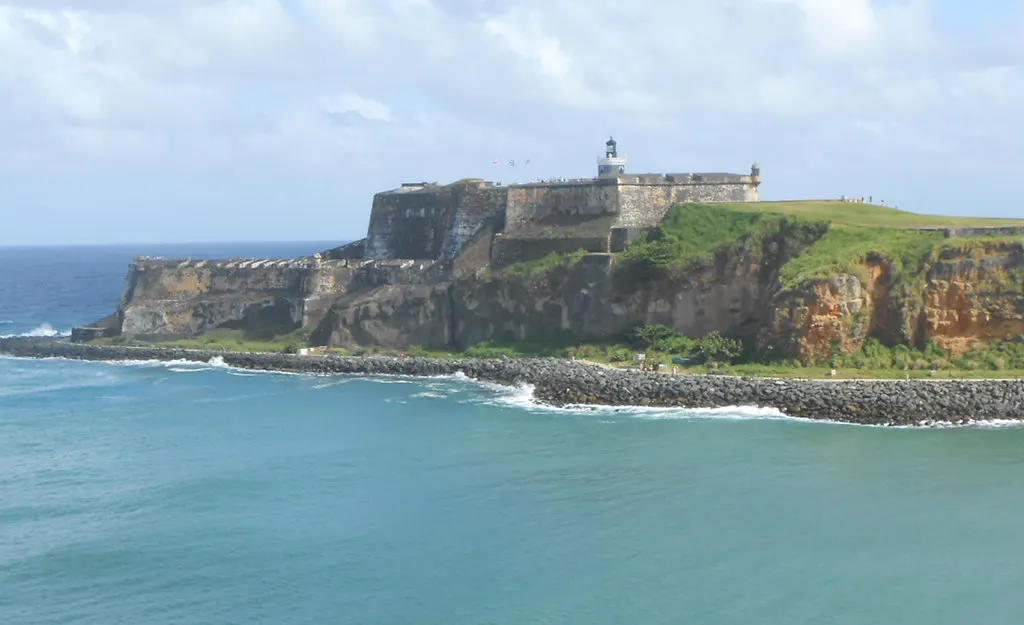 San Juan
San Juan
Puerto Rico
Old San Juan's fortress walls have defended the same seven blocks for over 400 years without ever being taken by force in a direct siege — not by Francis Drake in 1595, not by the Dutch in 1625, not by the British in 1797 — making it one of the most successfully defended cities in the Americas.
See full guide →