New Zealand · Oceania
Stewart Island
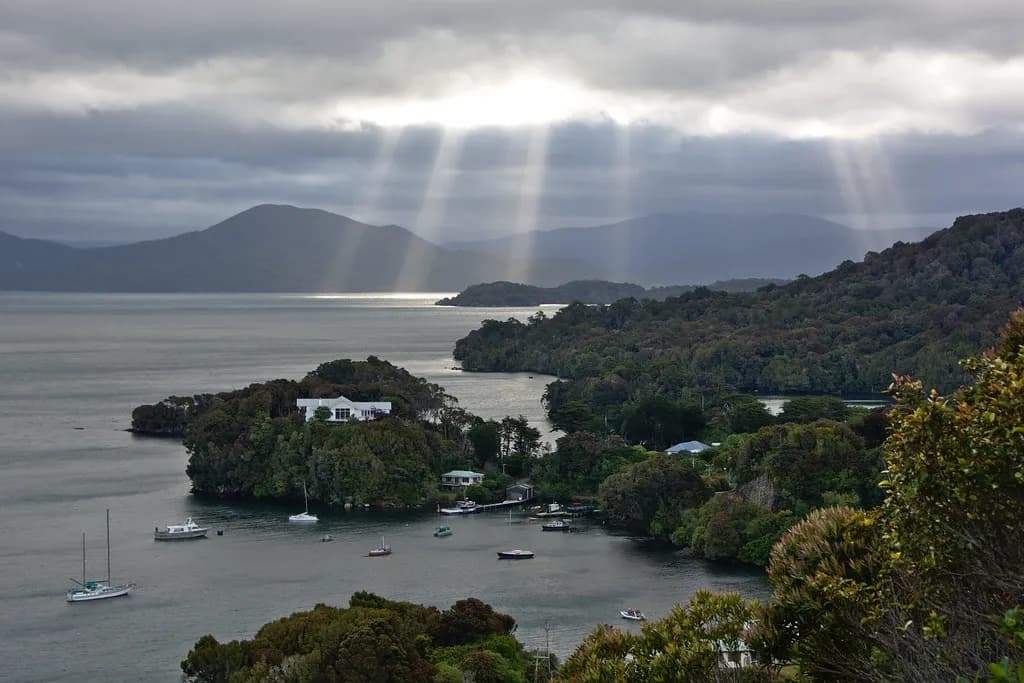
New Zealand's third island holds more kiwi birds per capita than anywhere else in the country and almost no artificial light to block the view of them foraging on open beaches at dusk, since roughly 85 percent of Stewart Island is protected national park with fewer than four hundred permanent residents.
Kiwi birds are nocturnal almost everywhere they survive on the New Zealand mainland, a behavior shaped less by instinct than by necessity, decades of predation from introduced stoats, rats, and possums having pushed the birds into strictly hidden, after-dark foraging. Stewart Island tells a different story. With predator control programs and a level of isolation that's kept introduced mammal populations lower than almost anywhere else in the country, kiwi here forage in the open at dusk on beaches like Ocean Beach, a sight rare enough elsewhere in New Zealand to draw dedicated wildlife tours from visitors who've spent entire mainland trips failing to spot one.
The island earns that wildlife density partly through sheer scale of protection. Roughly 85 percent of Stewart Island's land area sits inside Rakiura National Park, established in 2002 and named for the island's Māori name, Rakiura, commonly translated as "glowing skies," a reference either to spectacular sunsets or to the aurora australis, visible here far more often than from the mainland given the near-total absence of light pollution.
Fewer than four hundred people live on Stewart Island year-round, nearly all of them clustered in Oban, the only town, a settlement small enough that the entire visitor economy runs through a handful of lodges, a pub, and boat charter operators. That scale keeps the island's infrastructure modest by design rather than by underdevelopment, a place that has deliberately not scaled up to meet demand the way busier New Zealand destinations often have.
Getting here requires a specific kind of commitment: a ferry from Bluff across Foveaux Strait, a stretch of water known among New Zealand sailors for rough conditions, or a short flight from Invercargill for those who'd rather skip the crossing. Either way, the approach reinforces the sense of arriving somewhere genuinely separate from the rest of the country, not merely a further-flung version of the South Island.
Ulva Island, a short water taxi ride from Oban, adds a predator-free reserve to the itinerary, where native birds long since eliminated from most of New Zealand, saddlebacks, kākā, and Stewart Island robins among them, move without the wariness typical of birds elsewhere in the country. Combined with the kiwi tours and genuinely dark night skies, Stewart Island delivers a version of New Zealand's wildlife reputation that the more heavily visited parts of the country can no longer fully back up.
What a trip here actually costs
$175 / day avg.
- Lodge or guesthouse in Oban
- Ferry from Bluff
- Restaurant meals
- Guided evening kiwi-spotting tour
What to do at this tier
- • Guided kiwi-spotting tour at Ocean Beach
- • Rakiura Track day section hike
- • Ulva Island guided bird walk
- • Stargazing under Dark Sky Sanctuary conditions
These are average estimates for planning purposes, not real-time prices — actual costs vary by season, availability, and how far ahead you book.
How to get there
Click anywhere on the world map — any airport works, not just our main hubs.
Click anywhere on the map above — any airport in the world works — to see estimated travel time and cost from there.
Times and prices are planning estimates, not live fares — always check a booking site before you commit. See the full Transport Comparison guide for the general tradeoffs of each mode.
Best time to visit
December-February brings the mildest weather; the island stays cool and changeable year-round regardless of season, so pack for rain at any time.
Safety notes
Foveaux Strait ferry crossings can be rough; those prone to seasickness should consider the flight option or medication in advance.
Visa & currency
New Zealand dollar (NZD). Standard New Zealand visa requirements apply based on passport.
Questions people ask before visiting
Is Stewart Island worth visiting?
For travelers wanting genuine wildlife encounters and a level of remoteness rare even by New Zealand standards, yes. It offers one of the world's most reliable places to see wild kiwi birds foraging in the open, plus dark, unpolluted night skies and largely untouched forest and coastline.
How do you get to Stewart Island?
A ferry runs from Bluff, at the southern tip of the South Island, taking about an hour across Foveaux Strait, known for rougher water; a short flight from Invercargill offers a faster, calmer alternative for those prone to seasickness.
Where can you see kiwi birds on Stewart Island?
Guided evening tours head to beaches around Ocean Beach, where kiwi forage in the open at dusk and after dark with unusual regularity, a behavior almost never observed on the mainland, where introduced predators have pushed kiwi into strictly nocturnal, hidden foraging.
How much of Stewart Island is national park?
Roughly 85 percent of the island's land area falls within Rakiura National Park, established in 2002, leaving the remaining settled area concentrated almost entirely around the small town of Oban.
Nearby destinations
 Dunedin
Dunedin
New Zealand
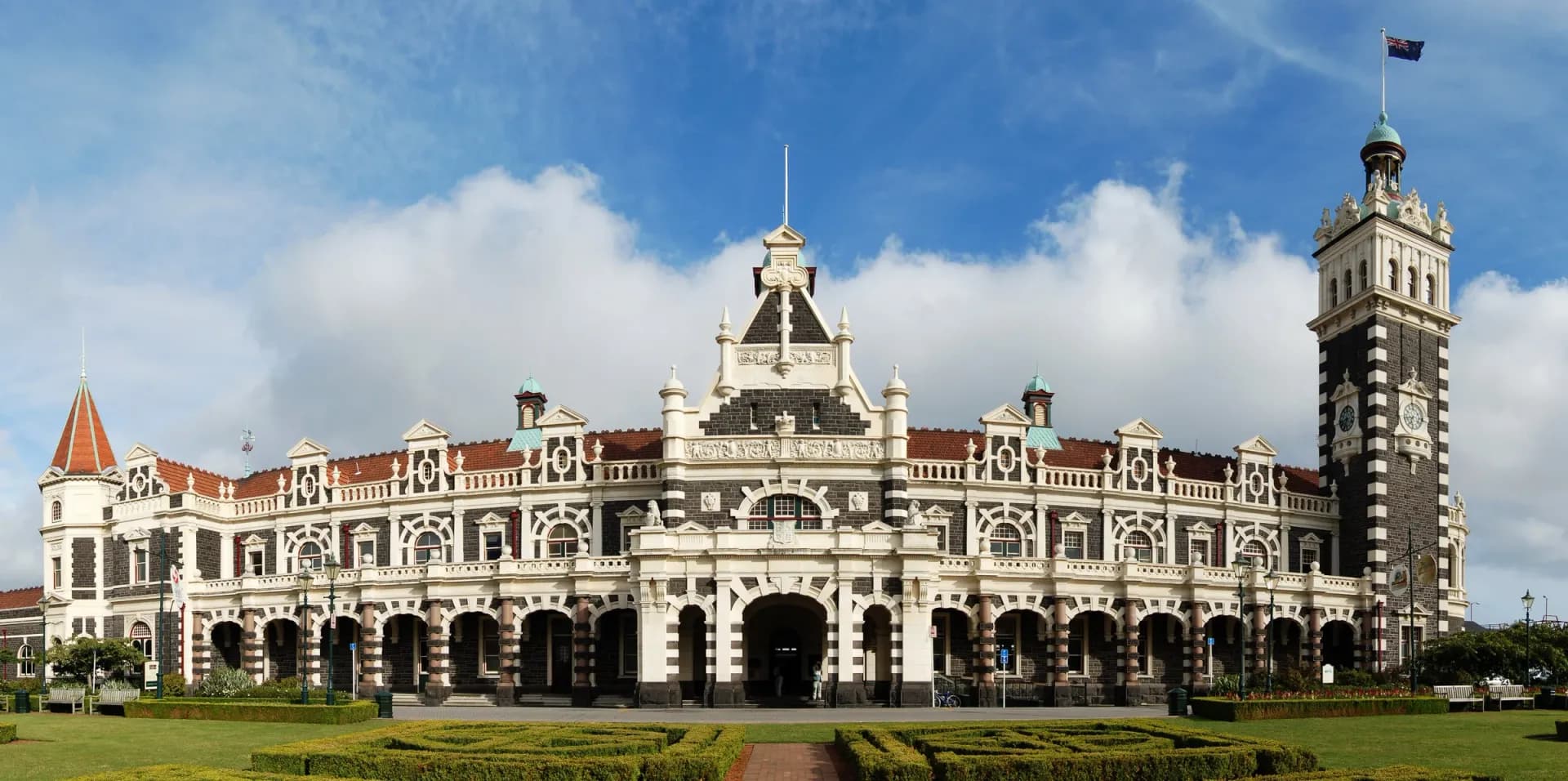
Dunedin takes its name from Dùn Èideann, the Scottish Gaelic name for Edinburgh, and the city leaned so far into that inherited identity that it built the only castle in New Zealand, holds the world's steepest residential street, and still shares its coastline with the only mainland royal albatross colony found anywhere on Earth.
See full guide →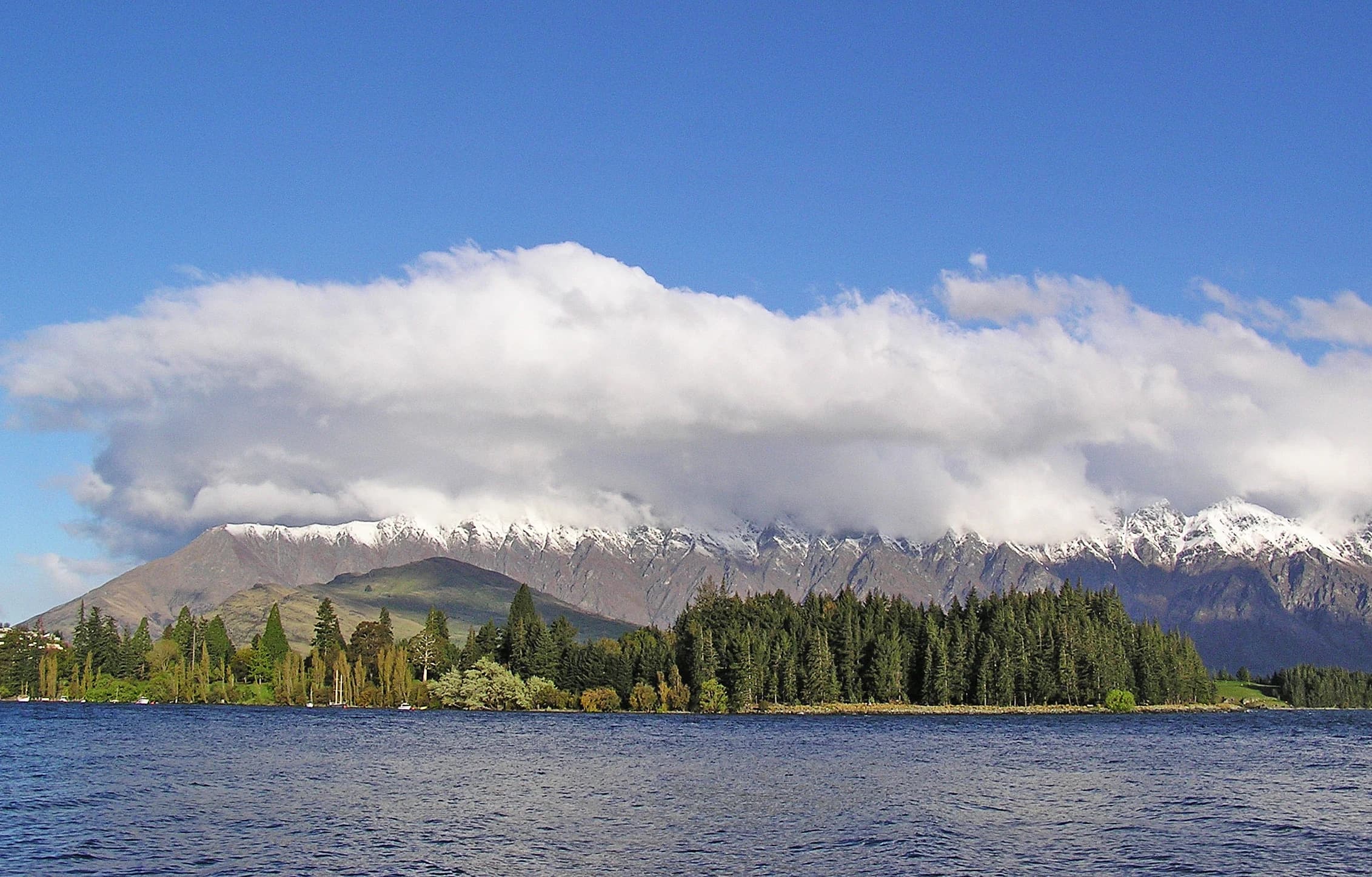 Queenstown
Queenstown
New Zealand
Commercial bungy jumping was invented right here — AJ Hackett's first jump off the Kawarau Bridge in 1988 turned Queenstown into what's now genuinely called the adventure capital of the world, and that same bridge still runs bungy jumps today, largely unchanged since the sport's invention.
See full guide →Comparing more than one route? See the full transport comparison guide.