Australia · Oceania
Kangaroo Island
Kangaroo Island earned the nickname "Australia's Galapagos" for wildlife density rare even by Australian standards, kangaroos, koalas, sea lions, and echidnas living with minimal natural predators — a reputation the island is still actively rebuilding after the devastating 2020 bushfires burned through roughly a third of its total land area.
Kangaroo Island earned the nickname "Australia's Galapagos" for a density of native wildlife that stands out even by Australian standards, kangaroos, koalas, echidnas, and Australian sea lions living across the island with minimal natural predators, a combination that's made it one of the most reliable wildlife-viewing destinations in the country. Seal Bay Conservation Park lets visitors walk along the beach among a resting colony of Australian sea lions, one of the rarest sea lion species in the world, under the guidance of park rangers who manage the interaction carefully.
That reputation took a serious hit in the devastating 2020 Australian bushfire season, when fires burned through roughly a third of the island's total land area, including significant portions of Flinders Chase National Park, causing substantial wildlife loss and habitat destruction. Recovery has continued steadily since, and much of the island's wildlife and infrastructure has rebounded, though visible regrowth and rebuilding remain part of the landscape in some areas.
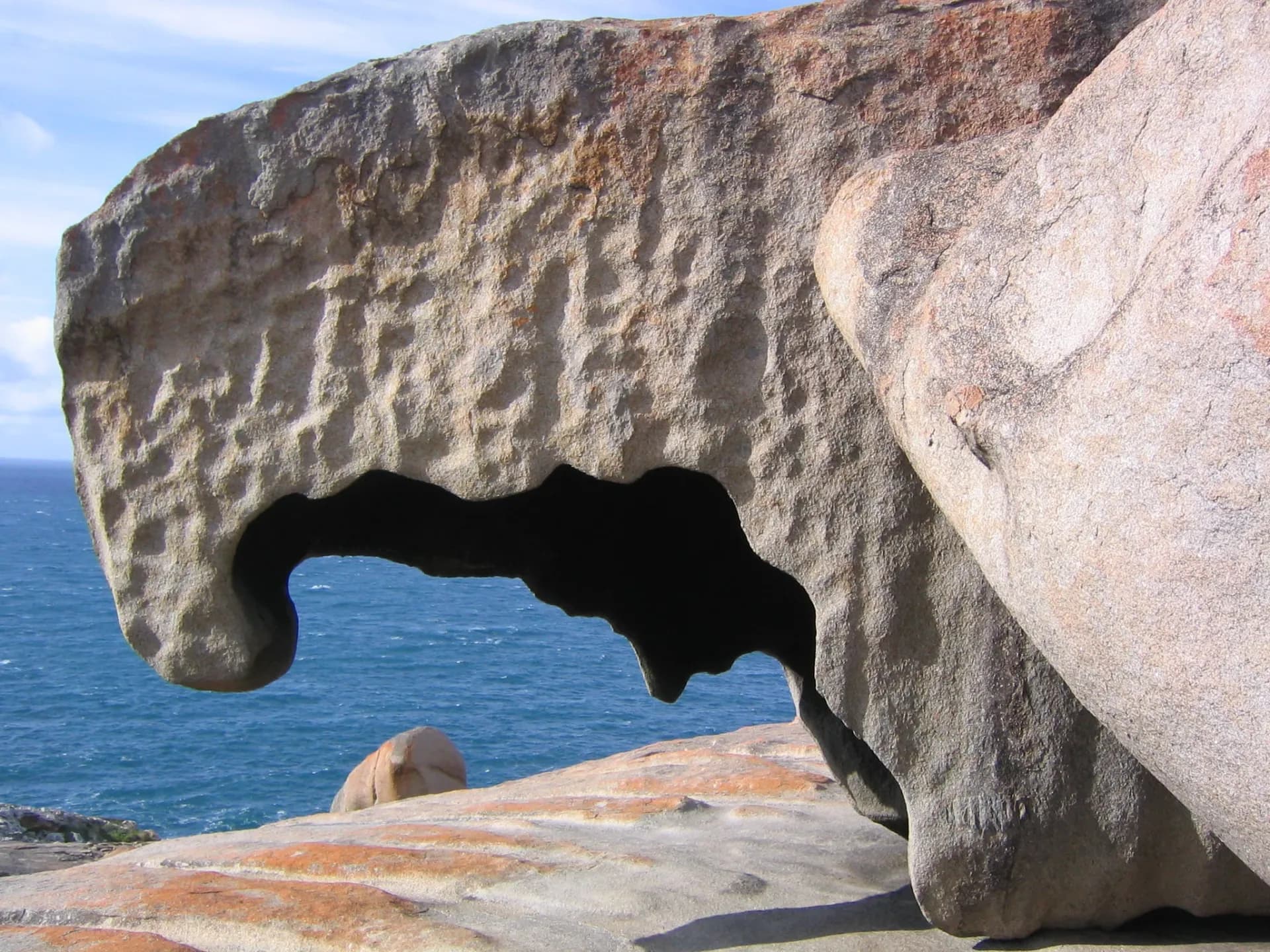
Flinders Chase National Park, at the island's western end, holds Remarkable Rocks, a cluster of massive granite boulders sculpted into unusual, rounded shapes by millions of years of wind and sea spray erosion, perched dramatically atop a granite dome overlooking the ocean. Nearby, Admirals Arch, a natural rock archway, hosts a colony of New Zealand fur seals visible from a boardwalk built specifically to give visitors a close but non-disruptive view.
Kangaroo Island is Australia's third-largest island, and its size means driving distances between major attractions can be considerable, a genuine consideration for anyone planning a visit without factoring in enough time to actually cover the ground between wildlife sites, beaches, and the island's small food and wine producers.
The island's relative isolation from the Australian mainland, reached by ferry or short flight from Adelaide, has helped preserve both its wildlife populations and a slower, more rural pace of life, and local producers of honey, particularly from a protected population of Ligurian bees free of the diseases affecting mainland hives, along with cheese and wine, have built a small but genuine culinary identity around that isolation.
What a trip here actually costs
$160 / day avg.
- 3-star lodge or cottage
- Rental car for getting around the island
- Casual and sit-down restaurant meals
- Seal Bay Conservation Park guided walk
What to do at this tier
- • Seal Bay Conservation Park guided beach walk among Australian sea lions
- • Remarkable Rocks and Admirals Arch, Flinders Chase National Park
- • Kangaroo Island Wildlife Park
$400 / day avg.
- 4-5 star eco-lodge
- Private wildlife and national park guided tour
- Fine dining at a top island restaurant
- Private Seal Bay and Remarkable Rocks tour
What to do at this tier
- • Private guided wildlife and national park tour
- • Fine dining featuring island-produced honey, cheese, and wine
- • Private evening spotlighting tour for nocturnal wildlife
These are average estimates for planning purposes, not real-time prices — actual costs vary by season, availability, and how far ahead you book.
How to get there
Click anywhere on the world map — any airport works, not just our main hubs.
Click anywhere on the map above — any airport in the world works — to see estimated travel time and cost from there.
Times and prices are planning estimates, not live fares — always check a booking site before you commit. See the full Transport Comparison guide for the general tradeoffs of each mode.
Best time to visit
October-April brings the mildest, driest weather for wildlife viewing and outdoor exploration; winters are cooler and wetter.
Safety notes
Generally very safe; driving distances between sights are significant, and wildlife frequently crosses roads, so drive cautiously, especially at dawn and dusk.
Visa & currency
Australian dollar (AUD). Most nationalities need an eVisitor or ETA arranged online before arrival.
Questions people ask before visiting
Is Kangaroo Island worth visiting?
Yes — Kangaroo Island holds an exceptional density of native wildlife, including kangaroos, koalas, Australian sea lions, and echidnas, alongside dramatic wind-sculpted granite formations at Remarkable Rocks and Admirals Arch, all within Australia's third-largest island.
How did the 2020 bushfires affect Kangaroo Island?
The fires burned through roughly a third of the island's total land area, including significant portions of Flinders Chase National Park, causing substantial wildlife loss and habitat damage. Recovery efforts have continued since, and much of the island's wildlife and tourism infrastructure has rebounded, though regrowth is still visible in places.
What are Remarkable Rocks and Admirals Arch?
Dramatic granite formations within Flinders Chase National Park, sculpted over millions of years by wind and sea spray into unusual, rounded shapes. Admirals Arch also hosts a colony of New Zealand fur seals visible from a boardwalk.
How many days do you need on Kangaroo Island?
Three to four days covers Flinders Chase National Park, wildlife viewing at Seal Bay, and a couple of the island's beaches at a comfortable pace, given the driving distances between the island's spread-out attractions.
Nearby destinations
 Adelaide
Adelaide
Australia
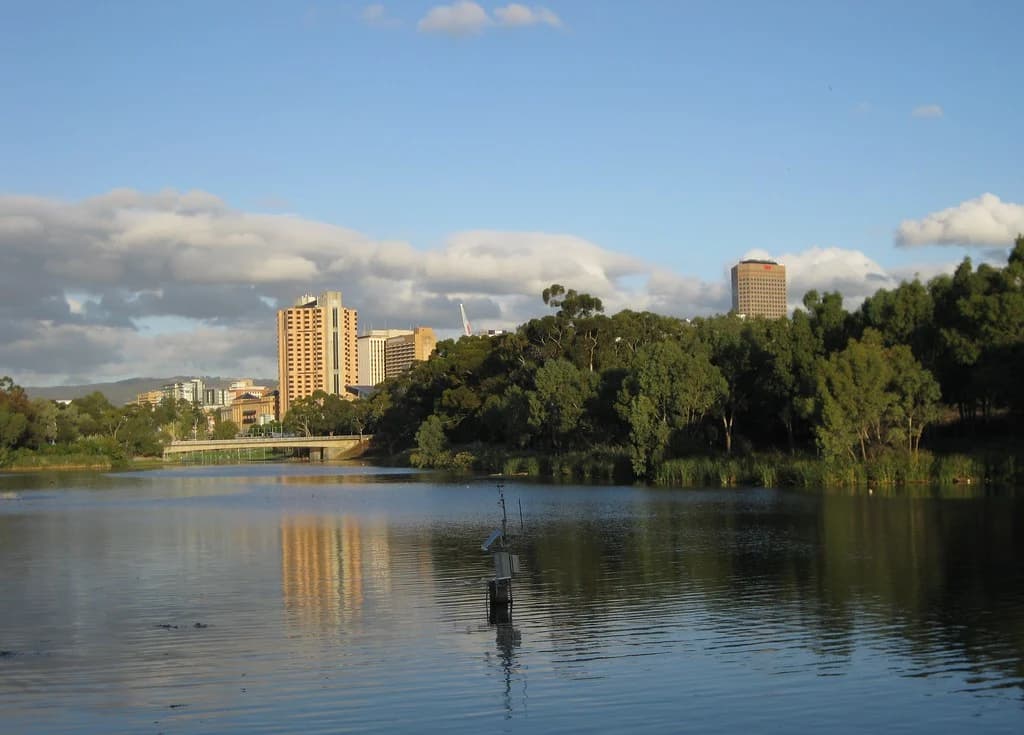
Colonel William Light laid out Adelaide in 1836 as a deliberately planned city, wrapping the entire center in a ring of parkland that still separates it from the suburbs today — a design so intact nearly two centuries later that Adelaide remains one of the clearest examples of 19th-century urban planning anywhere in Australia.
See full guide →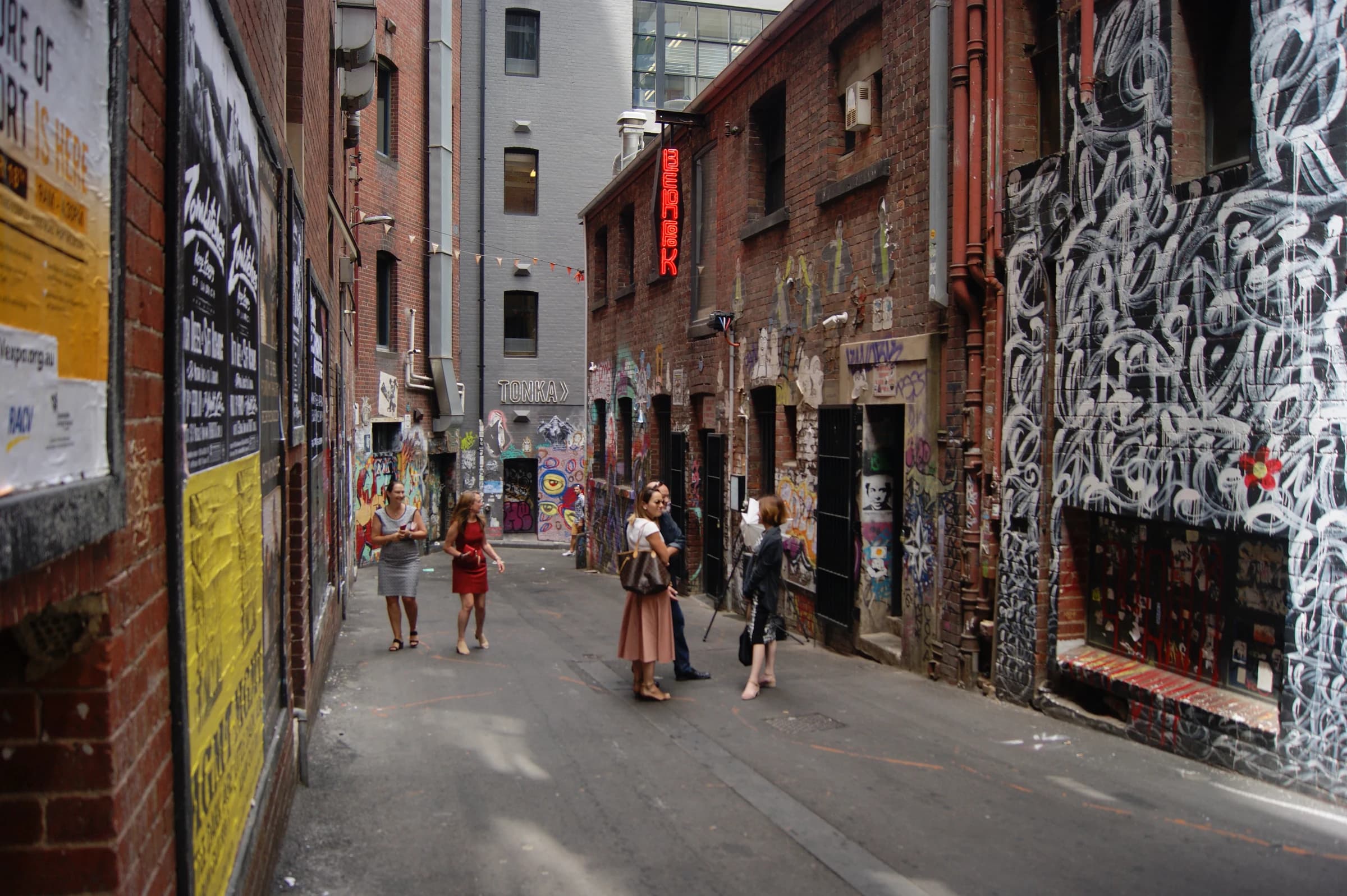 Melbourne
Melbourne
Australia
Melbourne considers itself Australia's coffee capital with a genuinely competitive streak about it — the city's laneway cafe culture grew out of waves of postwar Italian and Greek immigration, and locals will argue, with real conviction, that Melbourne's coffee simply beats Sydney's.
See full guide →Comparing more than one route? See the full transport comparison guide.