Australia · Oceania
Great Ocean Road
The Twelve Apostles are down to eight, the Southern Ocean has been quietly demolishing the rest of them since long before anyone was counting, and driving the 243-kilometer road built by returned World War I soldiers to give themselves work is still the best way to watch it happen.
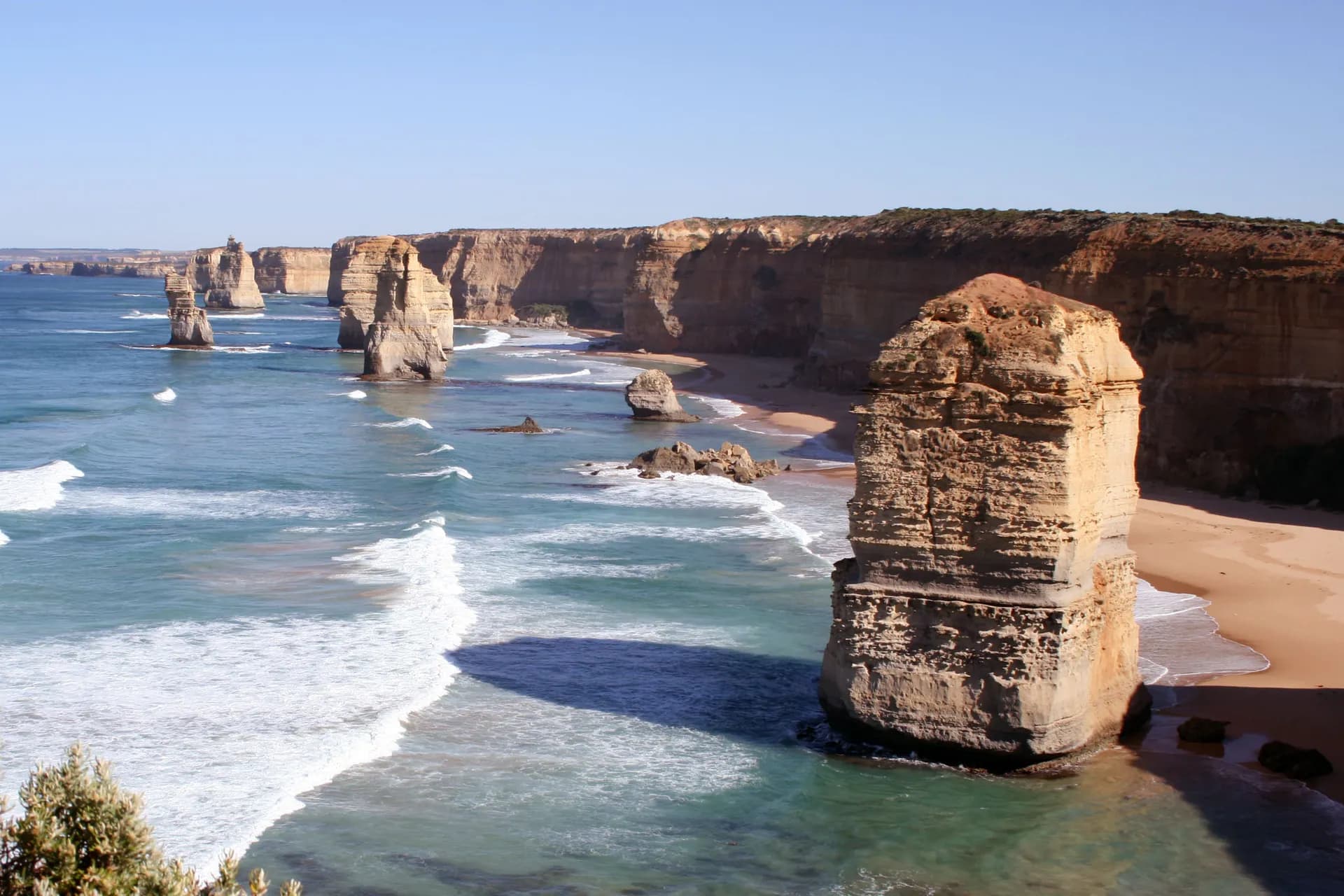
The Twelve Apostles were never actually twelve. Geologists and historians who've tracked the limestone stacks off Victoria's coast count no more than nine standing at any point in recorded memory, and the name stuck anyway, a marketing flourish from the 1950s that outlived its own accuracy. What's left today numbers eight, the most recent collapse recorded in 2005 when a stack the size of a twelve-story building fell into the Southern Ocean in a matter of minutes, caught on camera by tourists standing at the viewpoint.
The road that carries visitors past them wasn't built for tourism. Returned soldiers from World War I built the 243-kilometer route by hand between 1919 and 1932, pick and shovel work along a coastline so exposed that construction crews lived in tent camps that shifted as the road progressed. It stood as both memorial to soldiers who didn't return and employment for those who had, and it remains, by most measures, the largest war memorial anywhere in the world, a fact that gets lost in the itineraries built around its scenery.
That scenery is real regardless of the road's origins. Loch Ard Gorge, named for a ship that wrecked there in 1878, drops visitors down a narrow set of stairs into a sheltered cove framed by sheer limestone walls, one of the few points along this coast where the Southern Ocean's violence gives way to something closer to calm. The gorge takes its name from the two survivors of that wreck, pulled from the water separately and later reunited on the beach below, the only two of fifty-two aboard to survive.
Inland detours through Great Otway National Park swap the coastal cliffs for temperate rainforest, fern gullies, and waterfalls that most drive-through visitors skip entirely in favor of pushing straight to the Apostles. The Otway Fly treetop walk lifts visitors above the canopy on a steel walkway, a different register of scenery from the coast, but a genuine one, and a useful reminder that the Great Ocean Road's identity runs past its most photographed nine kilometers.
Erosion here isn't a geological abstraction measured in centuries; it's visible within a single visit if conditions cooperate, and it's documented collapsing within living memory across the stacks that remain. Seeing the Twelve Apostles now means seeing something actively disappearing, at a pace slow enough to plan a trip around but fast enough that the number on the sign keeps needing revision.
What a trip here actually costs
$90 / day avg.
- Hostel or budget motel in Apollo Bay or Port Campbell
- Shared rental car cost
- Self-catered meals
- Twelve Apostles and Loch Ard Gorge viewpoints, free
What to do at this tier
- • Twelve Apostles viewpoint at sunrise, free
- • Loch Ard Gorge walk, free
- • Erskine Falls short hike, free
$180 / day avg.
- Boutique B&B or coastal motel
- Rental car
- Café and pub meals
- Otway Fly treetop walk
What to do at this tier
- • Otway Fly treetop walk and zipline
- • 12 Apostles helicopter flight
- • Cape Otway Lightstation tour
These are average estimates for planning purposes, not real-time prices — actual costs vary by season, availability, and how far ahead you book.
How to get there
Click anywhere on the world map — any airport works, not just our main hubs.
Click anywhere on the map above — any airport in the world works — to see estimated travel time and cost from there.
Times and prices are planning estimates, not live fares — always check a booking site before you commit. See the full Transport Comparison guide for the general tradeoffs of each mode.
Best time to visit
December-February brings the warmest, driest weather, though the coast stays cool and windy year-round; shoulder months avoid summer holiday crowds.
Safety notes
Roads are narrow and winding with sharp cliffside sections; drive cautiously, especially in rain, and never approach cliff edges at the Twelve Apostles viewpoints.
Visa & currency
Australian dollar (AUD). Standard Australian visa requirements apply based on passport.
Questions people ask before visiting
How long does it take to drive the Great Ocean Road?
The road itself runs 243 kilometers between Torquay and Allansford, drivable in about four hours without stops, but most visitors take two to three days to allow time at the Twelve Apostles, Loch Ard Gorge, and the rainforest detours around Otway National Park.
Why are there only eight Twelve Apostles left?
The limestone stacks were never actually twelve, historians count no more than nine standing at any point in recorded memory, and constant Southern Ocean erosion has since collapsed several more, most recently in 2005. The remaining stacks continue eroding at a pace visible over a single human lifetime.
Who built the Great Ocean Road?
Returned World War I soldiers built it by hand between 1919 and 1932, largely using pick and shovel labor, as both a war memorial to fallen comrades and a jobs program for veterans struggling to find work after the war. It remains the world's largest war memorial.
Is the Great Ocean Road worth doing without a car?
Day tours from Melbourne cover the highlights but move fast and skip most stops; a self-drive or small rental gives far more control over timing at the Twelve Apostles for sunrise or sunset light, when the crowds thin out significantly.
Nearby destinations
 Melbourne
Melbourne
Australia
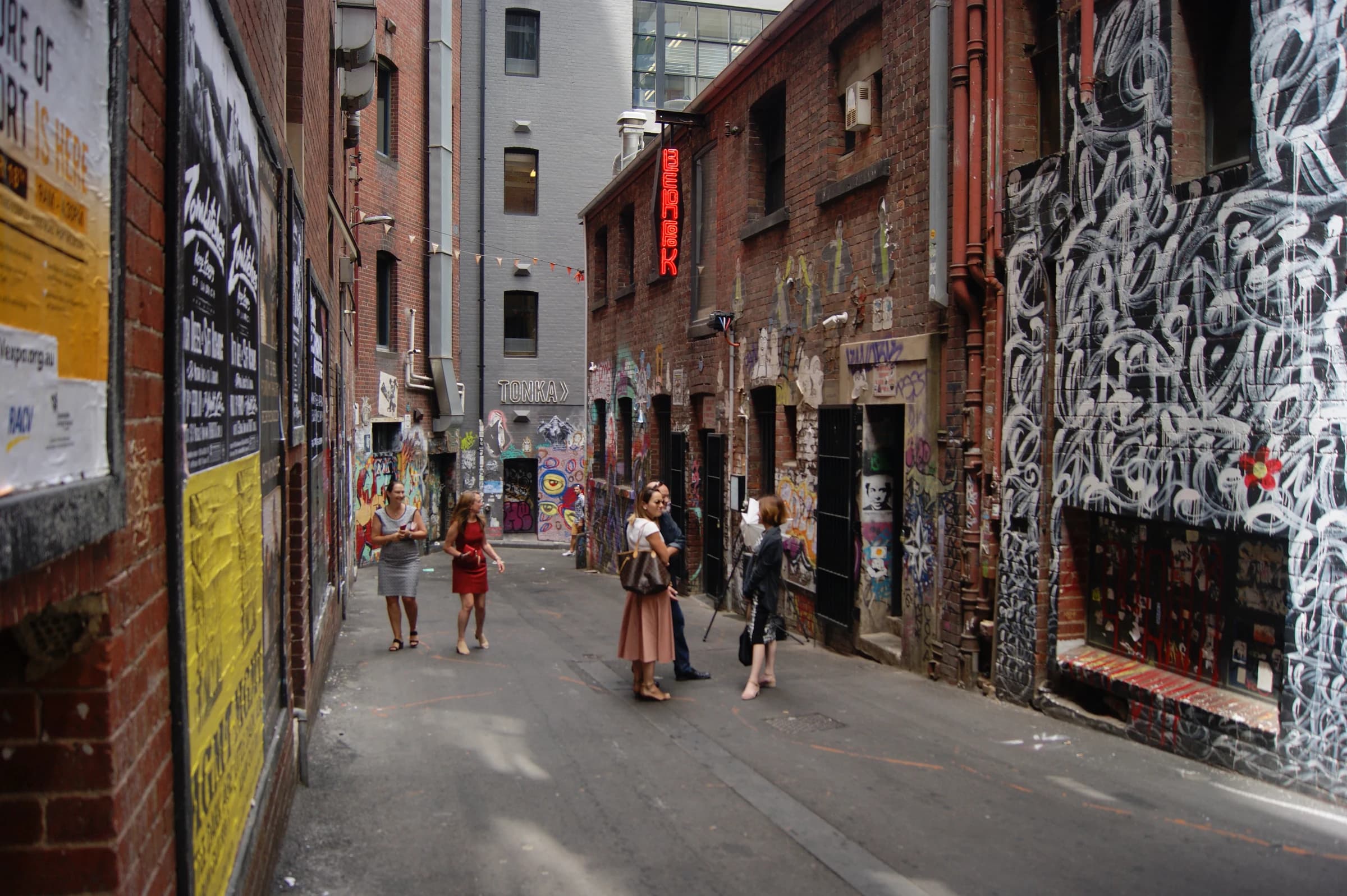
Melbourne considers itself Australia's coffee capital with a genuinely competitive streak about it — the city's laneway cafe culture grew out of waves of postwar Italian and Greek immigration, and locals will argue, with real conviction, that Melbourne's coffee simply beats Sydney's.
See full guide →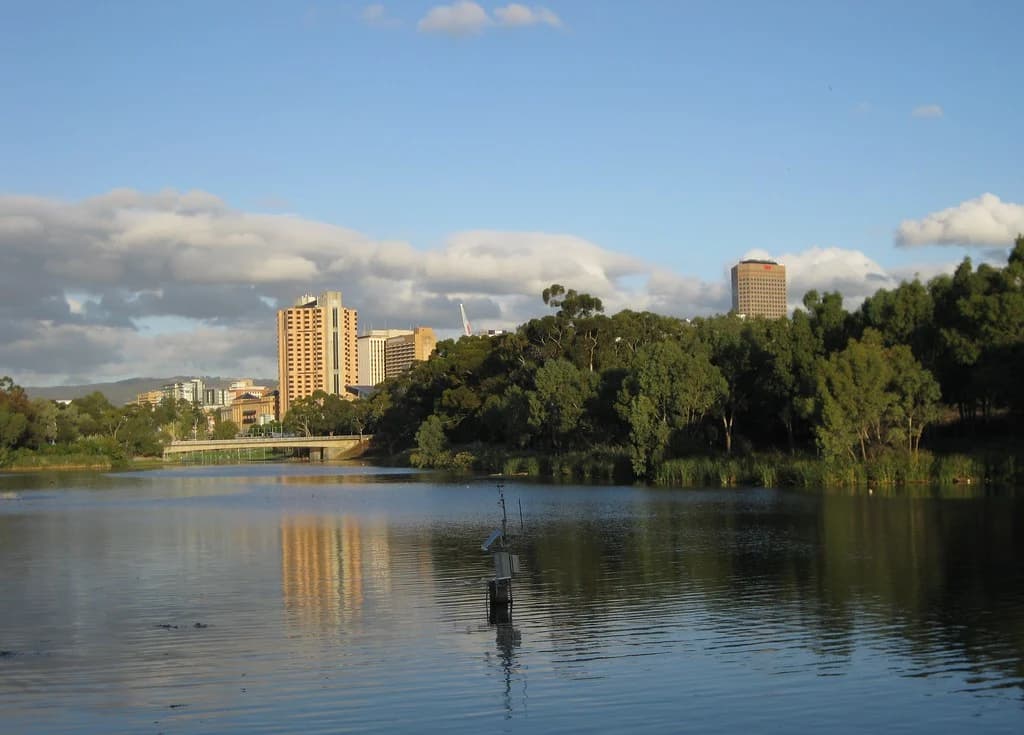 Adelaide
Adelaide
Australia
Colonel William Light laid out Adelaide in 1836 as a deliberately planned city, wrapping the entire center in a ring of parkland that still separates it from the suburbs today — a design so intact nearly two centuries later that Adelaide remains one of the clearest examples of 19th-century urban planning anywhere in Australia.
See full guide →Comparing more than one route? See the full transport comparison guide.